
Key Ideas
- Wild game meat is meat harvested from wild animals. This excludes farm-raised and other domesticated sources.
- There are strict regulations for the legal sale of wild game meat.
- Wild game meat is safe to eat when handled properly. What ammunition you use and how the meat is stored and cooked impacts the quality of the meat.
- There are several health benefits to incorporating wild game meat into your diet.
Hunting season is well underway. Whether you’ve already made out like a bandit with a freezer full of meat or you’re looking to take down a high point buck, you’re probably wondering how you’re going to cook up your haul this holiday season. Sure, everyone loved the roasted wild turkey you killed and cooked for Thanksgiving dinner, and your rabbit stew is on regular rotation during winter weather. But wild game doesn’t have to mean simple and hearty recipes are the only options! Marinate an elk steak and plop it on the grill for a gamey twist on your favorite date-night dinner. From buck’s jerky and deer sausage to duck gumbo, you can whip up a special wild game recipe that will knock the socks off your loved ones this Christmas.
What is Wild Game Meat?
For those of us who didn’t grow up entrenched in the hunting community, let’s talk about what wild game really is. From a legal perspective, wild game is any animal you hunt while in their natural state that is not cultivated, tamed, or otherwise domesticated. An easier way to think of wild game is as animals that are harvested from the wild rather than harvested as livestock.
Generally speaking, wild game can be broken down into 3 main categories:
- Small birds like quail and thrush
- Game proper, which includes two subcategories:
- Winged game like goose, duck, and pheasant
- Ground game like rabbit, hare, and squirrel
- Big game like deer, elk, boar, and bear
Is Wild Game Dangerous to Eat?
Most of us have heard the rumors at some point that eating wild animals is a dangerous game, but is that really true? You should always verify information you hear before you accept it as fact, and the fact of the matter is wild game can be nutritious, delicious, and safe. IWAE’s here to do the research and bust common myths about wild game.
Myth: Pregnant Women Can't Eat Wild Game
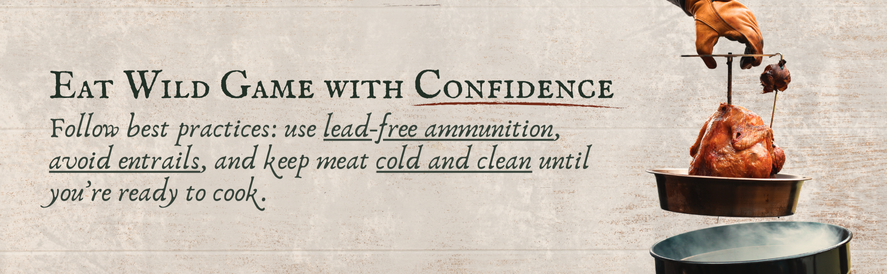
Fact: Those who are pregnant or may become pregnant can safely eat wild game as long as the animal isn’t killed with lead bullets. There is not a “safe” level of lead for children and adults to consume, but kids and those who can get pregnant are at the highest risk of health complications. Even if lead-free ammunition or arrows were used in the hunt, everyone should avoid eating the entrails of any wild game as they can still contain lead and unsafe organisms.
Beyond the ammunition used to kill the game, how the meat is handled and prepared is crucial for safe consumption. Shielding yourself with protective gloves to avoid direct contact when dressing the animal and collecting the meat ensures you avoid contact with any bacteria, parasites, or viruses. All wild game should be kept cool until it gets butchered, then it should remain frozen until it’s time for cooking.
Myth: Freezing Wild Game Kills Any Parasites in the Meat
Fact: cooking the meat to a safe temperature is what kills Trichinella worms, as some worms that infect wild game are freeze-resistant. You can relax knowing that freezing pork less than 6 inches thick for 20 days at 5 degrees Fahrenheit will finish off any worms, but as a general rule, freezing, curing, drying, smoking, and microwaving are not guaranteed to leave you with safe-to-eat wild meat.
Myth: You Can’t Buy Wild Game at the Store
Fact: broadly speaking, wild game procured by home hunters is illegal to sell to the general public. However, by raising wild game similar to livestock and carefully monitoring the animals and the meat, some stores and markets are allowed to sell game meat! Inspections at the federal and state level must be passed, but game meat that earns the mark of approval from these agencies can be legally sold throughout the US. Some places like Exotic Meat Markets specialize in the sale of unusual wild meats for home cooking, and some major retailers like Walmart sell farm-raised ground bison. These options are great for anyone looking to sample the flavor before pulling the trigger on the wild version themselves.
The Benefits of Eating Wild Game
Adding wild game to your diet comes with several advantages. According to the Institute for Environmental Research and Education, or IERE, the nutritional benefits of wild game include higher protein levels, a larger amount of necessary nutrients like omega-3 fatty acids, and less fat content (particularly saturated fat) per serving. This lower saturated fat content leads to lower cholesterol levels than conventional meats. For those counting macros or hitting the gym, this protein to fat ratio makes wild game a great option when you’re bulking up.
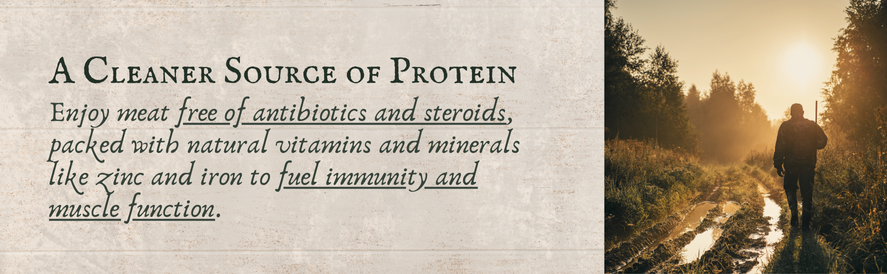
But the benefits of wild game in your diet don’t end there! Wild game also decreases the risk of ingesting unwanted chemicals, as the animals don’t have antibiotics or steroids in their system like farmed meats. The natural diet of wild game leaves their meat full of vitamins and minerals like zinc and iron which boost your immune system and help with muscle function. Thanks to the distinct flavor of each animal, adding wild game to your diet will do more than boost your health. It will add delicious, nutritious, and unique meals to your meal plan that will leave you fully satisfied.
What Is the Best Tasting Wild Game Meat?
The only person who can decide which wild game meat tastes best is you! Wild game meat can be found in kitchens everywhere, from upscale restaurants to personal residences. Let’s break down som types of game meat, what they taste like, and how to cook them:
Venison
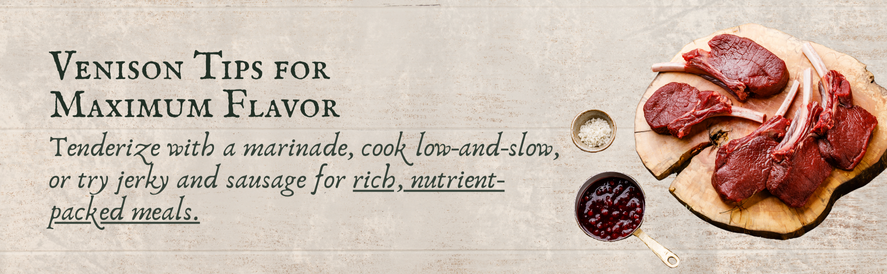
Venison is another name for deer meat. More tough and gamey than beef, venison requires proper tenderizing before cooking to ensure a good meat texture. What it lacks in fat marbling, it makes up for in reduced cook times and higher levels of vitamins like B6, B12, and iron. Dishes like deer jerky and sausage are extremely common, but the possibilities for this protein are limitless. Spice up your sloppy joes with deer meat for a sloppy doe that’ll change your recipe forever. From the smoker to braised or slow-roasted cooking methods, low and slow with plenty of moisture is the best way to get top-tier flavor from your venison.
Bison
Bison is a leaner cut of meat than beef with a subtle sweetness to it that lends a new world of flavor to your dishes. Bison burgers and steaks are staples for those who love this protein, but you can essentially substitute bison for beef in any dish with ease. Season the meat with thyme and rosemary, serve it with your favorite starch and a side of roasted parsnips and carrots for a delicious meal. You can even find options for a hearty bison stew that will have everyone coming back for seconds, and thirds!
Duck
Duck has a touch of gamey flavor that sets it apart from its feathered counterparts and is often considered more similar to red meats than birds. What gives duck that full-bodied flavor is its higher percentage of fat content, so be sure to eat it in moderation. Whether you’re looking to impress your guests with a full bird like the Thanksgiving turkey or add a twist to a common chicken dish with a duck dumpling recipe that won’t leave your dinner rotation.
Alligator
Surf and turf is a common upscale dish, but what would you do with a protein that melds the land and sea together on its own? Alligator is often compared to chicken with a hint of fish. This unique combination is a wonderful option to bring a new depth of flavor to dishes like alligator sausage and seafood gumbo or jambalaya thanks to its unique ability to complement bell peppers, cayenne pepper, and hot sauce, which are fundamental ingredients in cajun and creole cooking.
Cooking Wild Game for Christmas
Choosing wild game recipes that you can cook with the hardware you have on hand is a lifesaver, but IWAE has you covered if you’re looking to expand your kitchen repertoire.
Wanting a fun and festive option to prepare in your outdoor oven? This venison Italian sausage white pizza is sure to impress! You can play around with the flavors and toppings to create truly unique, craveable venison ‘za.
Make this year’s Christmas feast extra special with this tantalizing smoked wild turkey recipe. This recipe suggests smoking your bird on a charcoal grill, but there’s no reason not to use a pellet grill or free standing smoker for that next level smokiness.
How about a wild twist on a fan favorite? Every year you make the same buffalo chicken dip, but what about mixing it up with buffalo squirrel dip? The slightly nutty flavor of squirrel meat adds a new layer of complexity to this savory and spicy dish.
If you want even more wild game inspired meals like the bison stew mentioned in the previous section, the wild game recipes from Hunter Angler Gardener Cook are always a slam dunk! Throw some of these wild game cooking ideas into rotation with our smoked meats for Christmas recommendations for a winter menu that will keep you happy until spring.
Share the Spoils of Your Hunt This Holiday Season
Gather up a great gift for your resident hunter this year with top rated grills and accessories that will change the way they cook up all year long. Hunting is only the first step in serving up any of the true woods-to-table meals we’ve gathered here. From expert meat preparation to the cooking style, help your home hunter-turned-chef out with kitchenware built to trap in flavor. If you need help finding the perfect grill, smoker, or pizza oven to serve up some wild game, give the experts at IWAE a call.