

Key Points
- Traditional fireplaces require the most frequent upkeep like proper venting, cleaning after each use, and regular inspections from professionals.
- Vented and ventless gas fireplaces need regular cleaning and checks but often include integrated gas shut-off safety features.
- Electric fireplaces are the lowest maintenance option but have similar concerns to other electrical appliances and setup requirements.
- Safe operation is just as important as maintenance. Any fire should be monitored at all times and extinguished before leaving the room or going to bed.
Nothing is more welcoming than a roaring fire that keeps you warm in frigid temperatures. As a child, you probably enjoyed the flames without a second thought about how safe your home’s fireplace really was. Inversely, as an adult, you probably think about home security first and foremost. Having a fireplace in your home is a great way to create a cozy ambiance while providing additional warmth to a room that your HVAC system fails to heat, but fire comes with additional responsibility. Don’t leave your traditional, gas, or electric fireplace to collect dust out of fear! Our guide on fireplace safety and maintenance will give you the peace of mind you need to keep a fire in your hearth and your loved ones cozy all winter long.
Traditional Fireplaces: Staying Safe While Burning Wood
Properly maintaining a wood-burning fireplace is straightforward when you know what to do. From starting the fire to regular cleaning and upkeep, how you handle your traditional fireplace over time will make a huge impact on the security of your home and loved ones. Fireplace accessories like log racks conveniently and safely store extra timber and kindling. Pokers and other tools let you adjust the logs and optimize the burn without getting too close to the flames. Meanwhile, fireplace screens keep embers from popping into your living space and prevent kids and pets from getting too close to the flames. Having the correct tools is a great first step to fireplace safety, but knowing the proper ways to start and put out the fire are just as important.
How to Safely Start a Fire in a Wood-Burning Fireplace
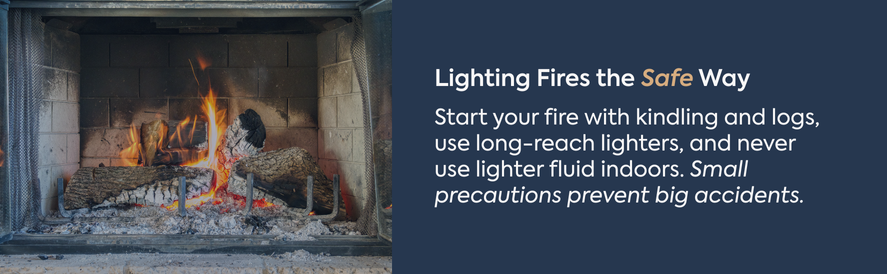
When you’re lighting a fire in a wood-burning fireplace, there are three things you’ll need for a safe and easy ignition: a match or lighter, kindling, and wood logs. Once you open the flue and strike a match, you just need to light the kindling and watch the fire grow. But what do you do with that match after it’s done its job? For a used match, the safest option for disposal is tossing it in the fire to burn up with your kindling. Wanting to throw it in the trash instead? Be cautious to avoid a dumpster fire: run the match under water to put out any lingering embers before tossing it in. For catching the kindling using a lighter, use one with a long-reach barrel to avoid getting close enough for any flames to burn your clothes or skin. Never use lighter fluid to start a fire inside your home, no matter how hard it is to get the fire going. Instead, turn to a fire starter or other safe ignition options.
How to Clean Ashes & Debris From Your Fireplace
After you put out the fire in your wood-burning fireplace, debris will be left behind in the firebox. Did you know these ashes cause buildup that leaves your home at risk? You need to clear out these remnants after each use with tools like a wire brush and vacuum. Be sure to let the ashes cool completely before handling them, storing them in a safe ash container until they can be properly disposed of. Pro Tip: You can even use ashes for composting and other activities as long as you only burn organic materials!
Remember: as the logs burn, soot is also released. Creosote, a dangerous and difficult to remove buildup that forms when soot is left unchecked, can lead to poor air quality, inefficient operation, and fire hazards. This black powdery substance loves to stick to everything in and around your fireplace, so scrubbing down any surface it adheres to is integral to maintaining safe indoor air quality and avoiding chimney fires. If you find soot has accumulated to a level you can’t take care of with your own elbow grease, calling in a professional is the right move.
Add a Wood Stove to Your Space
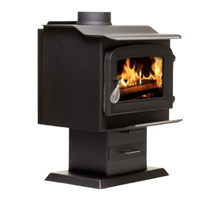
Are you looking to add a bit of extra heat and ambiance to your space? Inserting a full fireplace can be costly and require significant home renovation. If you want that real wood burning feel in your house without the extra hassle, we recommend buying a wood stove like this 1200 Sq. Ft. Steel Pedestal Wood Stove.
Breathing Easy With Gas Fireplaces
Gas fireplaces mitigate a lot of the hassle and safety concerns of wood-burning options, but no active fire is a fully worry-free situation. You don’t have to worry about embers from popping logs or ash buildup, but there are a few safety considerations to keep in mind with vented and ventless gas fireplace options.
Carbon Monoxide Safety Concerns
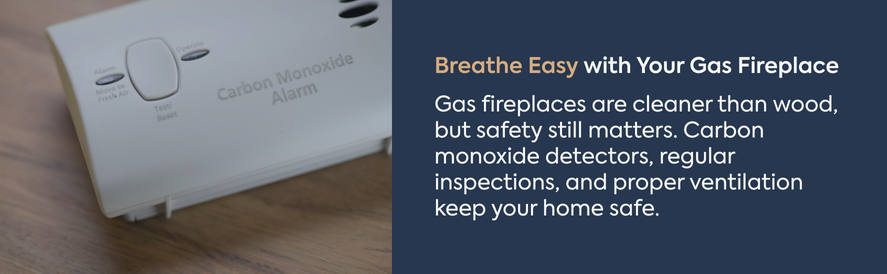
Gas fireplaces create carbon monoxide just like wood-burning options, regardless if they’re vented or ventless. Every home should integrate basic safety precautions like a carbon monoxide detector and regularly scheduled inspections. Don't let that scare you away from a great option for your home! Just be sure you open the flue for vented fireplaces, regularly check the firebox and chimney for leaks, and keep the pilot lit! Vented options will safely expel any gases through the chimney to keep your home safe. Ventless options often maintain this same safety standard by pulling in air from areas other than the room they’re heating, meaning enclosed spaces won't run out of oxygen. Most gas fireplaces have safety measures in place that turn off the gas if the pilot light goes out for additional security. At the end of the day, you should always take responsibility for your safety into your own hands.
Soot: the Silent Threat of Gas Fireplaces
You may think soot is only a worry with wood-burning setups, but gas fireplaces deal with the same situation. Calling in a professional to remove soot is the best way to ensure safety, but you can take some steps to clean soot in your gas fireplace with your own two hands! Once you have the gas turned off and have geared up in the right protective equipment like gloves, goggles, and a mask, it’s time to get to work. The experts at Oliver Twist Chimney & Fireplace came up with a foolproof DIY method to eliminate soot buildup in your fireplace:
- Take out the logs.
- Clean out the firebox with a vacuum and brush.
- Give the whole thing a wipe-down with a dry washcloth.
- Once the space looks spotless, reinstall the logs and turn the gas back on.
Add a Gas Stove to Your Space
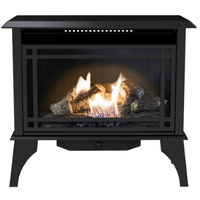
If traditional wood-burning fireplaces or stoves are too much upkeep for you, a gas stove is the way to do. Check out this 1250 Sq Ft Dual Fuel Stove with Legs. This stove combines the traditional log aesthetic with the ease of use that comes with gas hookups. Just make sure you call in a qualified agency to ensure the gas piping and hookup are installed properly.
Electric Fireplaces: the Easiest Fireplace for Minimal Upkeep
Electric fireplaces are a plug and play heating option, requiring no outside venting, gas hook-ups, or chimney integration. Each option will list proprietary installation requirements for safe operation that need to be followed during setup, but no real flame means no intensive fire safety steps. To mitigate the likelihood of problems like overheating and electrical issues, avoid plugging an electric fireplace into an extension cord.
Add an Electric Fireplace to Your Home
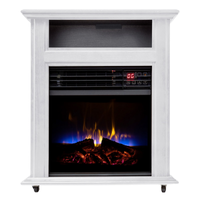
If both traditional and gas fireplaces present too much upkeep for you to handle, you can't go wrong with an electric fireplace. With fewer safety considerations and more mobility, electric fireplaces are perfect for homeowners who love frequently changing up their spaces. If you're interested, check out this 5120 BTU Electric Quartz Fireplace.
What Are the Best Practices for Fireplace Safety?
We’ve gone over the nitty-gritty of safe upkeep for wood-burning, gas, and electric fireplaces, but there are some precautions that you should take with any type of fireplace:
- Never leave a fire unattended
- Check for signs of wear and tear in the firebox and chimney periodically
- Call in a professional to inspect, test, and clean the unit as necessary
Stay Safe & Warm This Season with IWAE
With proper safety precautions in place, you can enjoy your fireplace this winter without worry. If you’re unsure about the condition of your fireplace or what security measures you should implement in your home, don’t fret! Reach out to our customer service team and let the experts at IWAE help you create a game plan. Once you’re set up for success, you’ll find that winding down by the fire can be a stress-free way to fight off the bite of winter weather.