
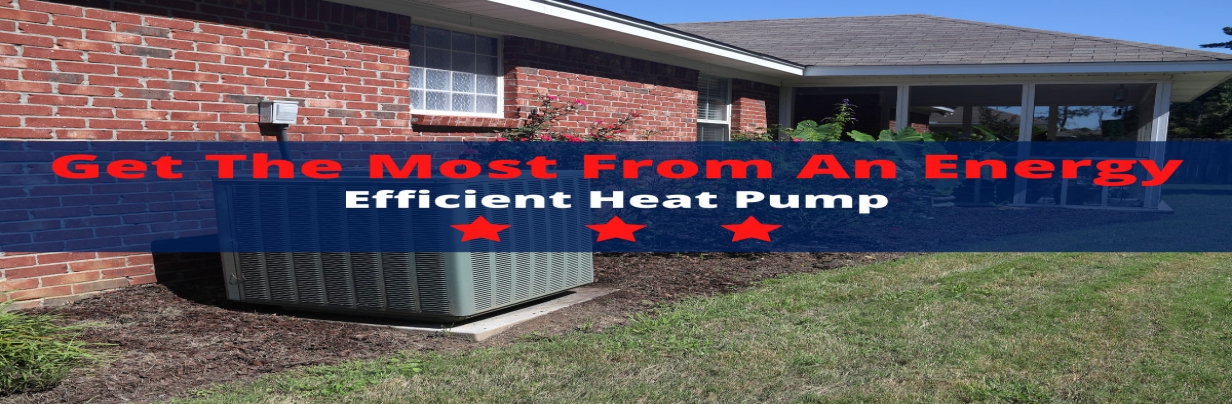

1. Regular Heat Pump Maintenance
Keeping your energy efficient heat pump in top condition is vital if you want to stay comfortable. Just like any other machine, your HVAC system will malfunction if you don’t show it the respect it deserves. If you don’t already have a service plan with an HVAC professional, we strongly recommend you get one. A simple maintenance check every year will go a long way towards preventing mechanical failure.Pro Tip: When you are getting your heat pump installed, speak to the contractor about a service plan. They will be happy to help you.

2. Clean the Heat Pump Condenser
On split systems, the condenser is located outside in a separate unit. As winter hits, debris and dirt get trapped in the fins that encase the compressor. Use a vacuum with a brush attachment to clean the dirt out. If you notice any dead leaves, clean those out too. It’s a great idea to clear away foliage or items that could affect the airflow of the condenser. You should be aiming for a clear gap of two feet around the unit. You can spray the fins with water, but you have to be gentle, so they don’t suffer any damage as a result. It is a better idea to remove the fan from the top and spray the water from the inside out. That way, you don’t risk harming the compressor. Pro Tip: Use a dinner knife to straighten any damaged or bent fins. Don’t insert the blade more than a half-inch.3. Watch for Ice on the Fan
Often, condensers are located near the wall of the house, and in heavy rain, water can fall onto the unit from the roof. When the weather gets colder, that water can form into ice on the fan. As part of your regular monthly inspections, check the fan, especially in the most extreme temperatures, to make sure nothing is blocking it, and that it is free from ice. Pro Tip: Keep your roof gutters free from blockage as this could cause rainwater to spill over and splash your condenser fan. When the weather turns cold, this becomes ice.4. Keep the Filters Clean
A dirty filter will choke the life from your energy efficient heat pump. When the flow of air gets restricted due to a build-up of debris in the filter, your heat pump has to work extra-hard to achieve the same results. It’s a bit like you trying to breathe through a quilt! In the process, crucial components start to wear out more quickly, and that could lead to expensive repair bills. Filters are easy to remove and easy to clean. Run the hose of the vacuum cleaner over the surface to pick up dust particles, or if you want a more thorough clean, drop some water into a bowl along with a squeeze of detergent. Immerse the filter and leave it for an hour before lifting it out to dry. Make sure that the filter is 100% dry before putting it back into your heat pump. If there is any moisture at all, mold spores will form and get fed back into the air you breathe. Of course, that only goes for folks with permanent filters. Those of you with replaceable ones know what to do: take out the dirty one, toss it in the trash, and install a fresh filter. Pro Tip: If the filter is too big to fit in a sink or bowl, take it outside and hose it down.5. Close all Windows and Doors
Sounds pretty simple, right? The best way to achieve warmth in your room is to create a sealed environment. Leaving doors and windows open allows the air to escape, and that wastes energy. Pro Tip: You can make a door draft stopper from strips of material and a dense filling. It costs almost nothing to do and keeps the cold air out.
6. Seal the Air Gaps in Your Home
This all comes down to preparedness. When you are conducting the fall or spring inspection of your energy efficient heat pump, spare a thought for your home insulation. No matter how potent your heat pump is, it will never perform properly if you have a poorly insulated home. The obvious places to start would be windows and doors. Make sure you have sealed any gaps on the windows, and install weather stripping on the doors to stop heat escaping. If there is a cold draft, it could skew your thermostat readings and keep your heat pump working harder and longer. Likewise, make sure your thermostat isn't exposed to direct sunlight. That will really throw off summer cooling performance. Pro Tip: Sticky-backed foam strips help to create an airtight seal for doors and windows.7. Close Curtains and Blinds
Curtains are an excellent way of adding another layer of insulation to your room. A thick, lined drape traps warmth that would otherwise escape. It also creates a barrier to stop moisture forming on the cold glass of the window. And now for the alternative view. During the days when the crisp winter sun is bathing your home in light, do the exact opposite, and throw the curtains open. The added sunlight will help to warm your room and increase the performance of your heat pump. You will reach a comfortable temperature quickly, and it will stay that way for longer if the sun keeps on shining. Pro Tip: Overlap the floor by a few inches at the bottom of your curtain to increase the insulation of the fabric.8. Improve Your Windows
Are you ready to maximize your savings? Stop using old, drafty windows. Create an environment that is both well insulated and sealed with double or even triple-pane windows. The vacuum-sealed space between each pane of glass means that condensation rarely forms, and the cold air outside doesn’t penetrate through the glass. This will make your home warmer in winter, and cooler in summer. Pro Tip: If you can’t afford brand new windows, then installing a film of secondary glazing is an effective method of sealing the window.9. Clean Your Vents
Vents become dusty and clogged over time, so keeping them clean will improve the efficiency of your energy efficient heat pump. Every time you vacuum the house, attach the hose and suck out any dust from the vents. By doing this regularly, you have a cleaner energy efficient heat pump, which means fewer pollutants in the atmosphere, and better outcomes for both you and the heat pump.
Pro Tip: Use a feather duster to disturb the dust before vacuuming.
your energy efficient heat pump. Every time you vacuum the house, attach the hose and suck out any dust from the vents. By doing this regularly, you have a cleaner energy efficient heat pump, which means fewer pollutants in the atmosphere, and better outcomes for both you and the heat pump.
Pro Tip: Use a feather duster to disturb the dust before vacuuming.