

Key Points
- Heat and air wall units are installed through an exterior wall, cooling recycled air inside and releasing residual heat outside.
- Wall units are convenient and efficient, saving space without blocking windows.
- Air conditioner wall units, heat pump wall units, and electric heat and air wall units are common.
- Consider the unit’s efficiency, the number of BTUs, the thickness of the wall, and the location of installation when looking for a wall unit.
Did you know that HVAC solutions come in several different shapes and sizes? From package units to DIY mini-splits, you can find a heating and air conditioning solution that perfectly fits your needs year-round. Maybe you live in a region where the winter months bring bitterly cold temperatures, and the summer months are dominated by sweltering heat. If that’s the case, a through-the-wall HVAC unit will help you maintain a consistent, comfortable temperature in your home regardless of the weather outside. Learn more about what wall unit HVAC is and how a wall-mounted heat and air system can benefit your home.
How Do Through-the-Wall HVAC Systems Work?
A through-the-wall HVAC system works to cool your home during the summer months by pulling hot air from the room into the air conditioning condenser inside the unit. The condenser cools the hot air, then the system blows the refreshing, cooled air back into the room, lowering the room's temperature to your desired setting. A natural byproduct of cooling air is residual heat produced by the wall unit’s motor. If this warmth entered the room, it would defeat the unit's entire purpose. That's why every through-the-wall system uses a ventilation system to discard the warm air it produces. The air conditioner pushes the motor's hot air through the rear vents, so it doesn’t cancel out the cooling.
What Are the Advantages of Wall Mount AC Units?
Wall air conditioners offer great advantages that make them an attractive option for your home, including:
- They save space: Wall mount units let you use the windows in your home to get a view of the outdoors, let in the sunlight, and open for some fresh air. Wall mount units are often installed toward the ceiling or fit under window sills, freeing up space in even the smallest rooms.
- They are energy efficient: Since wall mount units have a tight fit in the wall, there is less chance for air escaping from drafts. This means your air conditioner won't have to work as hard to cool your room, saving you money on your energy bill.
- They're convenient: Wall mount AC units stay where you install them. That means you can avoid packing them away for the winter and unpacking them again in the summer. When you're ready to stop using them for the season, all you have to do is turn them off.
- They can double as a heating unit: Some through-the-wall AC systems double as heating units. Being able to cool your home in the summer and get extra warmth in the winter with the same system makes a wall mount unit a valuable asset for your home. Invest in heating and air wall units to enjoy year-round benefits and comfort.
How Do Wall Units Differ From Window Units?
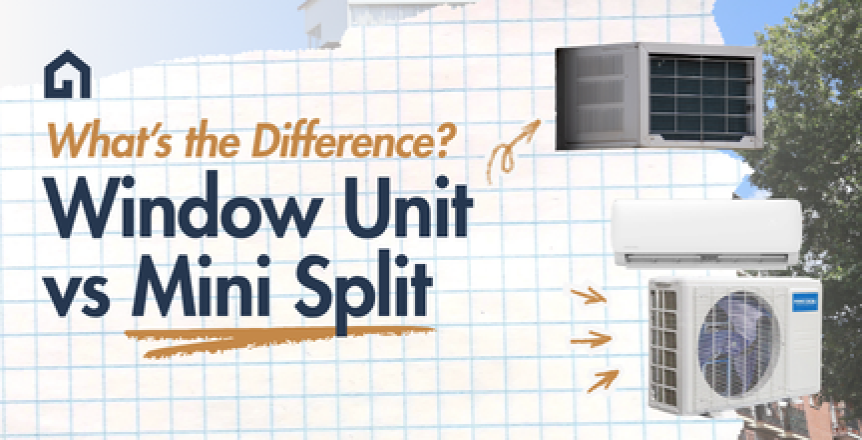
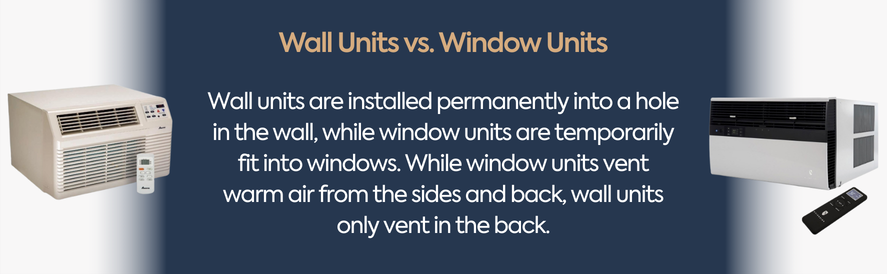
While both types of air conditioning systems work to cool your room, there are some differences between wall units and window units. It comes down to two main aspects: installation and venting. Here's a breakdown of these differences:
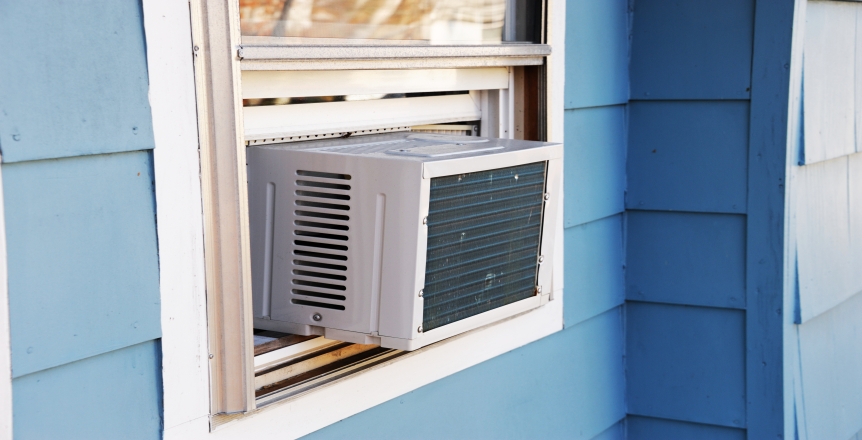
- Installation: Window AC units sit in a window and are removable. Homeowners can install and uninstall them at their leisure, as long as they can lift the required weight. Wall units fit into a hole in the wall and are permanently installed, usually by a professional installation technician.
- Venting: Many window ACs vent warm air from the sides and the back of the unit. Wall mount units only vent warm air from the back. That means you should avoid installing a window mount AC unit in the wall without the proper fittings. Putting a window mount AC unit in a wall can cause overheating since the side vents would have nowhere to send the warm air.
How Do Wall Units Differ From Central Air?
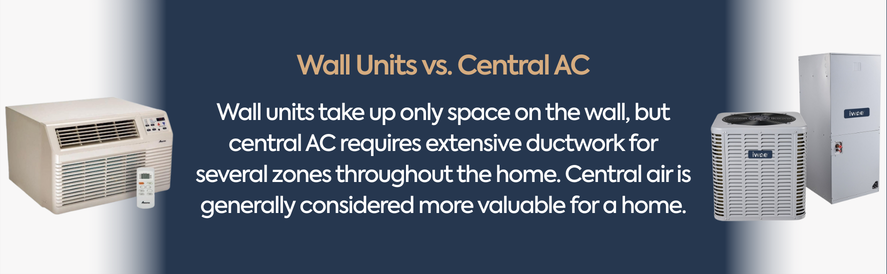
Wall units and central air systems both provide cool air for your home, but they have a few differences you should consider. Here are some of the main differences between the two:
- Appearance: Visible signs of central air may include several vents spaced out along the ceiling or the floor. Wall mount units take up little to no space in a room, but you can still see them since they take up some wall space.
- Customization: Some central air systems allow you to set different temperatures for different zones, but most force you to choose one temperature for the entire home. Wall mount units let you choose which rooms to cool depending on where people are in the house.
- Costs and home value: Being able to choose which rooms in the house to cool with wall mount systems can save you money on your energy bills compared to cooling a whole house with a central air system. Central air may be more expensive to install and maintain, but it could provide more value for your home if you plan on selling it someday.
Types of Heat and Air Wall Unit Systems
Now that you know the different types of climate control options, you're ready to learn about the various wall systems available. If you're considering buying heat and air wall units for your home, then you have the following systems to choose from.
What Is an Air Conditioner Wall Unit?
Air conditioner wall units are an affordable way to cool a single room or a small space within your house. They're cost-effective, efficient, and dependable, making them a great choice for families or individuals looking to enjoy controlled comfort without exceeding their budget. When you're tired of the inconvenience and poor performance of your window air conditioner, a through-the-wall unit could be the answer. Here are some of the best situations for choosing an air conditioner wall unit:
- Additions to your home: If you're building an addition to your home, it's a great idea to plan to install an air conditioner wall unit. It could be expensive to extend your existing central air system into the new area of the home. And if your home lacks central air, installing an air conditioner wall unit in your addition will be a fantastic upgrade.
- Supplementing your central air: If you do have central air in your home, air conditioner wall units could help you save money on your energy bills. Cooling only the necessary rooms in your house with the wall units means you can use your central air less often or set it to a more energy-efficient temperature.
- Cooling an older home without ductwork: Many older homes are not appropriate for central air retrofits because they lack ductwork or have no room to install new ductwork. If this describes your situation, then air conditioner wall units would be the perfect choice for you.
What Is a Heat Pump Wall Unit?
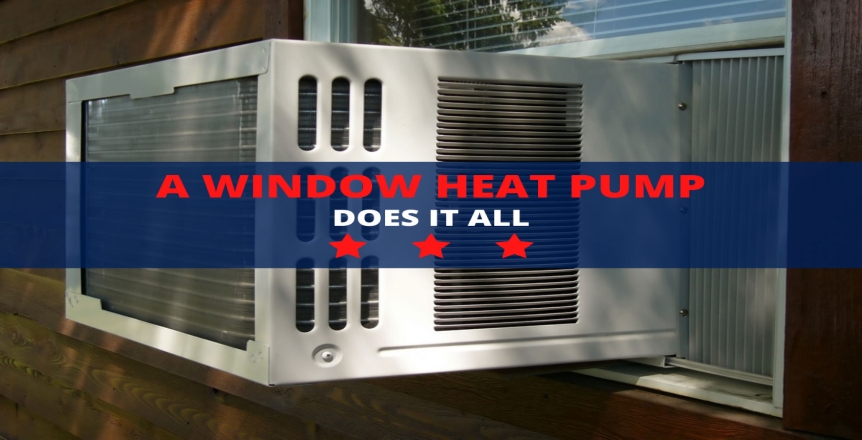
When you're looking for a self-contained heat and air conditioning unit for a single room in your home, a heat pump wall unit is the product for you. These systems are a top-tier choice for reliable wall heating and air, providing versatile climate control for any season. Air conditioner wall units are great for bringing cool air into a room, but they'll sit dormant during the winter. Heat pump wall units provide year-round comfort thanks to their ability to deliver hot and cold air when you need them. Enjoy cool air in the summer like you would from a regular air conditioner wall unit. You'll set the unit to your desired temperature. It will then pull the warm air in, cool it in the air conditioning condenser, and send the cooled air into the room. But with heat pumps, you can enjoy greater versatility. They produce warm air by reversing their cycle, providing comfort when the nights get chilly. This makes heat pumps a great investment for year-round climate control. You should keep the following two considerations in mind when looking at heat pumps for your home:
- Your regional climate: Areas with moderate climates will help you get the most out of your heat pump. Its heating capabilities may not be enough for the coldest areas of the world, but it's perfect for locations with moderate temperature changes ranging from warm summer days to chilly winter nights.
- The heat pump capacity: Make sure you talk to a professional about getting the right size heat pump for your room. Too small a heat pump may be ineffective and consume more energy. Too large a heat pump will cost you extra money upfront and demand more repairs due to its more frequent cycling.
What Is an Electric Heat and Air Wall Unit?
Wall heating refers to climate control systems such as heat pumps or electric wall units that are mounted directly into or on a wall to provide localized and energy-efficient warmth. With many of the same features and capabilities as heat pump wall units, electric heat and air wall units are a comprehensive heating and cooling solution for rooms throughout your home. This type of climate control unit produces cool air like the other air conditioners mentioned above, pulling the room's warm air into its air conditioning condenser to lower its temperature before redistributing the cooled air throughout the room. Electric heat and air wall units have a different process for generating heat. Instead of using a reverse cycle to warm air like a heat pump, this unit uses electric heat strips to bring warmth into the room. This puts less strain on the unit's cycling system, reducing the number of repairs and malfunctions. Here are some reasons you should consider this type of self-contained heat and air unit for your home:
- Customizable comfort: Choose the temperature you want at the moment you want it, all year long.
- Clean indoor air: Central air systems can send allergens throughout your house without proper maintenance. Your electric heat and air wall unit will filter your air to make sure you're always moving clean, allergen-free air into your room.
- Less strain on the environment: Since an electric heat and air wall unit focuses on one room, you can avoid unnecessary environmental strain found in central air systems. Reduce your carbon footprint by heating and cooling the room you're in instead of the entire house.
How Do You Choose a Through-the-Wall Unit?
Before choosing a through-the-wall unit of your own, you should ask yourself the following questions:
- How many BTUs are necessary? A British thermal unit (BTU) measures heat energy, where 1 Btu is the heat it takes to bring 1 pound of water 1 degree Fahrenheit higher in temperature. Units with higher BTU ratings will be able to cool or heat larger rooms more quickly and efficiently. Talk to a professional to make sure you're getting a through-the-wall unit with the right Btu rating for the room where you'll be using it.
- How energy-efficient is the unit? You should make sure the unit you're considering will be energy-efficient for your space. Part of this has to do with the BTU rating. Something too small for your space will have to be on all day if you want to feel the results. Something too big may exceed your budget or cycle on and off too much. Strike the right balance so you only pay for what you need.
- Where will you install the HVAC wall unit? The place you choose to install your through-the-wall unit will be its permanent location, so pick a place that looks good yet is central enough to heat or cool the room efficiently. Pick a spot on the wall that leaves some distance between the unit and the floor to limit dust from getting into the unit's filter. And of course, make sure you choose a location near a wall outlet so you can plug the unit in without needing to run any extension cords.
- How thick is the wall? You should hire professional installers to make the cuts needed to fit your new wall mount air conditioner. The thickness of your wall may affect the size or location of your unit, so make sure you know this information before anyone starts making cuts. The back of the unit needs to extend past the exterior of your home for proper functioning.
- What features offer the most convenience? Many units offer features that will make the entire heating and cooling experience more convenient. These include remote controls, face buttons, airflow adjustments, timers, automatic restarts, and even washable air filters. Make sure you get a unit that has all the features you're looking for.
Shop Wall Units From Ingram's Water and Air
IWAE is your source for all your home HVAC needs. We started selling HVAC equipment on the internet back in 2000, and now we're a trusted industry leader. We bring high-quality heating and cooling wall units to your door with fast, reliable shipping, saving you money along the way. Our goal is to get the right equipment into your home at a price that works for your budget.