
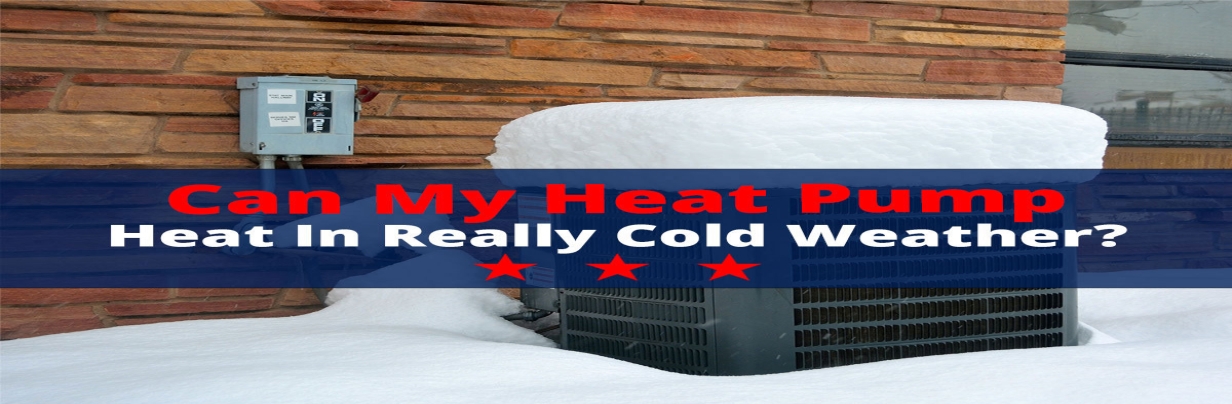

An energy efficient heat pump can cool through summer, then reverse cycle to heat as the temperature drops. A heat pump does this by absorbing ambient heat from outside air and pumping it back into the home. The upside is that during mild weather, heat pump heat can alleviate the need for expensive gas furnace operation.
Of course, there is a downside. As the temperature drops there is less heat in the air. Less heat means the system works harder and harder to keep your home warm.

Not For Long Periods of Time
Heat pumps designed for extended heating are equipped with electric heat coils to provide heat after a certain temperature threshold is reached. For example, many heat pumps activate the electric heat element after the exterior temperature drops below around 30 degrees. The exact activation temperature varies based on your house and heat pump efficiency. These electric heaters can keep your home warm, but not as efficiently as a traditional furnace. If your region of the country experiences only mild winter and you have to use the electric heat for a few days a year, then it's probably not worth the expense to install a traditional furnace. However, if you live in northern climates with lots and lots of very cold days, a heat pump is not going to replace your furnace.