
Key Points
-
When setting the temperature for your home, factors like the indoor air quality are important factors to consider when choosing a set-point.
-
Using a programmable thermostat, adjusting the temperature for the season, and tweaking your lifestyle to offset discomfort are easy ways to save energy.
-
Cool off without turning the thermostat down by adjusting the fan, covering or opening windows, weatherstripping, and avoiding hot appliances.
-
Add supplemental warmth with natural light, a woodstove, or heating from solar, geothermal, or radiant floor systems.
Almost nothing beats the feeling of stepping inside a cool home after a long day in the hot sun, but finding the most comfortable temperature for you and your family can take time, especially when you're trying to save energy. Instead of adjusting your thermostat constantly to temperatures that are too low or too high for short periods, you can utilize other methods to stay comfortable. From keeping your windows open to installing a programmable thermostat, you can improve your at-home experience and save energy and money at the same time.
What Factors Affect Your Home's Temperature?
Everyone wants to feel comfortable in their home without getting too hot or cold. Despite the temperature you set your thermostat at, other factors can make your home feel warmer or cooler and affect how you feel inside.

Contaminated Air
Contaminated air can make you uncomfortable and impede your at-home experience. Dirt, pollen, dust and other allergens can make you feel stuffy. Organisms such as germs, mildew and mold can compromise your health, and chemicals from paint or cleaning products can cause discomfort, especially for those with allergies.
Humidity
The humidity of your home can also affect how cozy you feel indoors. Sweating is your body's natural response to higher temperatures, as the sweat cools your skin as it evaporates. When there's a lot of moisture in the air, your body doesn't produce as much sweat and the air doesn't evaporate it, making you feel much warmer. This humidity can quickly turn a hot summer day into one that feels unbearable. Your air conditioner can reduce humidity but will only be effective if it's not too big for your home. As your system works to cool your space, it will also dehumidify the air. However, if the system is too large, it will cool your home down very quickly and won't have enough time to dehumidify. It won't always create a safe environment, especially if you have bacteria infiltrating your home. Thankfully, a dehumidifier can ease both of these issues. These devices will remove some moisture in the air, making your home less humid and reducing the opportunity for mold and other bacteria to thrive.
What's the Best Temperature to Set Your Thermostat in Summer?
In the blistering heat, nothing beats coming home to a cool and breathable space that keeps you comfortable for the rest of your day. Begin with setting your thermostat at 78 degrees. This temperature is suitable and will typically be cooler than the hot outside, yet high enough to save energy. You can, of course, adjust your thermostat as you need, but 78 degrees is a good starting point. This may be too warm for some family members, and you can combat this by using ceiling fans or limiting the direct sunlight you get in some areas of the house. While most people love to enjoy natural sunlight streaming through their windows, it can cause some areas of your home to heat up. At night, you can bump the thermostat up between 80 and 82 degrees because your body temperature will lower when you're asleep. However, you should anticipate the weather when you'll wake up in the morning, especially if you sleep in on the weekends, to avoid waking up too hot.
What's the Best Temperature to Set Your Thermostat in Winter?
Winter's biting cold can quickly make your home a safe reprieve from the elements. Although turning the thermostat way up as soon as you walk in the door might seem like a good idea when you've spent some time outside, you probably want to avoid going too high too quickly. Setting your thermostat at 68 degrees is generally a suitable temperature for the winter. Some members of your home may get warmer faster than others. When you want to adjust your thermostat, increase or decrease it by one or two degrees at a time. It might not seem like much, but those small amounts can make a big difference. If you and or your family members have difficulty determining what temperature is best, it's typically easier to warm up than to cool down. Keeping some large blankets and extra layers around will come in handy on those particularly chilly days.
What Thermostat Settings Save Energy?
Setting your thermostat back to normal when you're not home can save energy and money. You can save up to 10% by resetting your thermostat for eight hours a day. Instead of turning your air conditioner off and on when you're heading to work or going to bed, you should adjust the temperature. Instead of manually resetting your thermostat, you can consider getting a programmable thermostat. These devices recognize when to reset the temperature and will save energy when you're not home and keep you comfortable when you are. There are various types of thermostats, but a smart or programmable one will help you save more energy.
You can conduct a small experiment to see your family's honest reactions to the warmer or cooler temperatures. Set your thermostat to your desired temperature and turn it up or down by one or two degrees for the following several days. You can monitor your family's reaction to the air and determine the best temperature to keep everyone as comfortable as possible. The nighttime is another opportunity to experiment with your thermostat settings. You can raise the temperature at night because your body temperature will naturally lower as you sleep. You can try to keep your home warmer while using a fan or keeping your windows open instead of using your air conditioner. Play around with the temperature and find one that leaves you feeling refreshed and cozy.
Winter Energy Savings
Turning the heat down in the winter can be intimidating, but you can easily make up for the temperature by doubling down on your layers. Fuzzy socks, long sleeve shirts and sweatpants can keep you warm when you're walking around, and breaking out a heavy quilt or adding an extra blanket or two can keep you cozy when you're trying to fall asleep. Using light-colored window shades or drawing them back to let natural sunlight in will also warm your home.
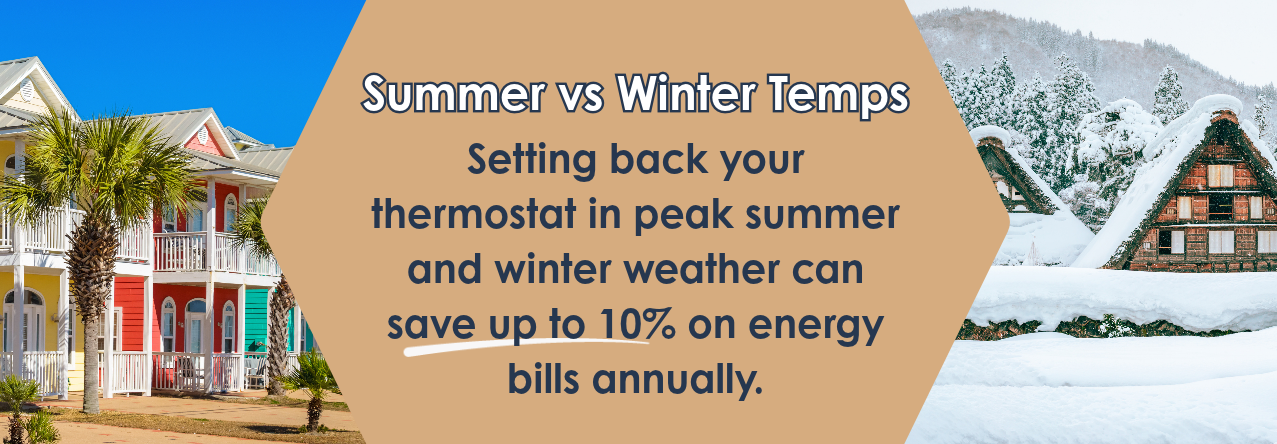
Consider implementing a setback temperature schedule to maximize your winter energy savings. While you’re at home, try setting the thermostat anywhere between 68 and 70 degrees Fahrenheit. While you’re away, lower it further, anywhere between 58 and 63 degrees Fahrenheit. Doing so can save you as much as 10% on your winter energy bills!
Summer Energy Savings
There are plenty of ways to cool down in the summer without needing to overwork your air conditioner. You can start by using your ceiling or free-standing fans to get the air moving. Keeping the blinds closed over your windows will also block sunlight from entering and warming up your living spaces. Wearing light-colored clothing and keeping your layers at a minimum will also help you avoid absorbing additional heat.
Implementing an optimal temperature schedule in the summer can further reduce your energy bills, as well as reduce strain on your system. While you’re home, see if you can handle setting your thermostat between 75 and 78 degrees–the warmer the better, if you can handle it! While you’re away, bump that setting up between 80 and 85 degrees Fahrenheit.
Pro Tip: Using a smart, programmable thermostat with scheduling capabilities will make it significantly easier to operate a temperature schedule!
Saving Money With a Programmable Thermostat?
Remembering to change the temperature every time you leave to go to work or before you get ready for bed can be a challenge. Installing a programmable thermostat can make this task convenient and help save you money. You can set your thermostat to specific temperatures based on various everyday factors such as when you're away, when you're sleeping and the time of day. For example, you can set your air conditioner to start cooling your home half an hour before you arrive home from work. This way, you know you've saved energy throughout the day, but you're still greeted with cool air once you step inside. If you opt for a smart thermostat, you can control your home's temperature from your phone or laptop. These devices can recognize when you enter or leave your home and will adjust the temperature accordingly. Smart and programmable thermostats will even show you the relative humidity with the push of a button. You'll be able to recognize when to start using your ceiling fan or turn on your dehumidifier and feel comfortable much faster without using unnecessary energy.
Alternative Heating & Cooling Methods
If you want to give your HVAC system and your wallet a break during uncomfortable temperatures, there are several small things you can do around the house to help with temperature control.
Alternative Cooling
If you're trying to find ways to save on energy or want to give your air conditioner a break, there are plenty of other ways you can cool your home in the summer. Additional ways to cool your home include:
- Adjust your fan: Ensure that the blades are spinning counterclockwise. When turning in this direction, your fan will push the air down and create what feels like a cool breeze.
- Cover your windows: Although many people prefer to see the beautiful natural sunlight, windows can make your home warmer.
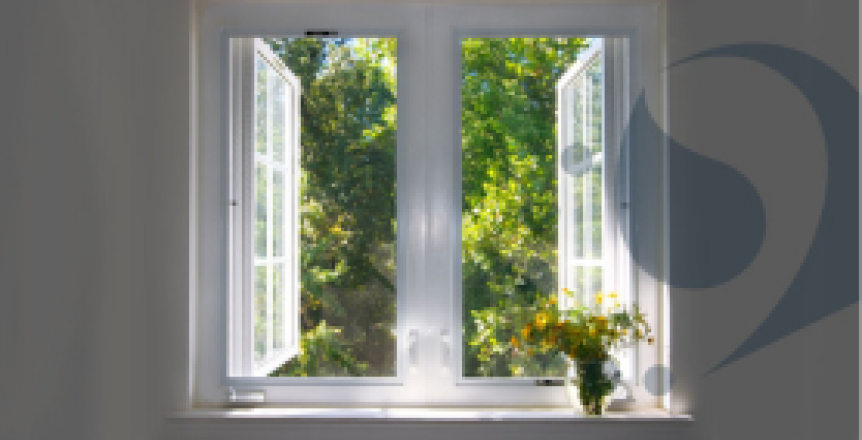
- Open windows: You can open the windows on mild days instead of using your air conditioning. The natural breeze will feel great, but bug screens might be necessary in some areas.
- Use weatherstripping: Weatherstripping will trap air inside your home. This way, you can keep cool in your home and avoid extra warm air flowing inside.
- Avoid hot appliances: Try to stay away from your oven during the day. The additional heat will make your kitchen very warm and if you need to use your stove, try to wait until later in the evening.
Alternative Heating
Heating your home in the winter is a sure way to remain comfortable and away from the cold. There are not as many natural ways to heat your home as there are to cool it, but there are still systems that you can implement to save energy and stay comfortable. Additional ways to heat your home include:
- Natural light: Keep your shades drawn back during the day to let natural sunlight filter in to warm your home.
- Solar heating: You can use the sun to heat your home by implementing a solar system that will keep you comfortable and is better for the environment than the alternatives.
- Geothermal heating: The Earth remains at a relatively constant temperature a few feet below the ground. These geothermal systems exchange heat with the ground instead of the air
- Radiant floor heating: You don't lose any heat through the ductwork by heating through the floor. You can also use a programmable thermostat with these systems.
- Woodstove: Wood is a renewable source that you can use to heat your entire home, and it's less expensive than other forms of energy. If you have a fireplace in your home, you can install inserts to supply heat rather than a wood stove.
Explore Temperature Control with IWAE
Whether you’re struggling with a home that’s too hot or too cold, the whole home experts at IWAE can help. If you live in a climate zone that swings between hot and cold weather, check out our selection of ductless mini split heat pumps. If you’re looking for an upgrade in efficiency, you’ll find a great replacement in our wide selection of heating and cooling equipment. Give us a call for expert advice!