
Key Points
- Energy vampires are appliances that use energy when plugged in, even when not actively in use.
- Common energy vampires are kitchen appliances and electronics.
- Unplugging appliances that are not used frequently or left idle for long periods conserves energy.
- Choosing energy-efficient appliances reduces your carbon footprint and saves money on monthly utilities.
Climate change isn't a new concept. Worldwide conditions have been ebbing and flowing for longer than humanity has kept a record, a process we started back in 1850. The past 30 years show that temperatures around the world have been steadily rising. With the warmest years on record being the last decade, contending with an every-shifting climate isn't something we can expect to change anytime soon. Energy prices are also increasing around the United States with the boom of data centers and other businesses that demand high amounts of power, inflating the bill for locals.
With October being National Energy Awareness Month, all of us here at IWAE wanted to use that as an excuse to check in on your energy usage. If your HVAC system has been installed in your home so long that it was purchased to provide relief for a different era of climate, you may find your energy bill suffering right along with your comfort. Even if your heating and cooling systems are already efficient, you may be the victim of some home energy vampires inflating your bill behind your back.
What Is an Energy Vampire?
Technology is a constantly evolving industry that pushes the limits of what’s possible. These advancements have led to the creation of many dynamic devices that can do mind-bending things! From 4k televisions that show the most minute detail of your favorite shows to computers that render full length animated films, there’s no denying the benefits of modern technology. However, there’s a trade-off: a demand for more and more electricity.
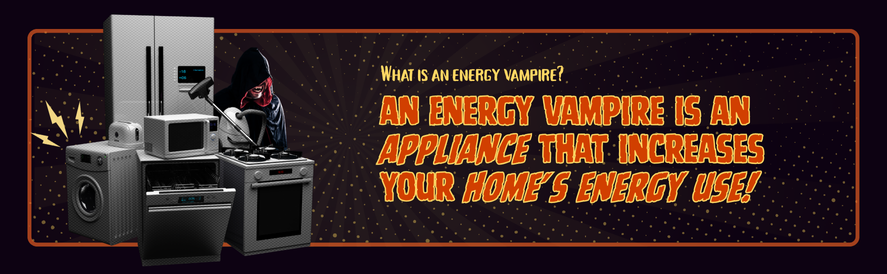
Not to be confused with the friends or family members who suck all the good vibes out of social situations, an energy vampire is an appliance that consistently increases your home energy use. Some common household staples like refrigerators and ovens can leave your electric bill skyrocketing, pulling excess power either due to their normal operation or from entering standby mode. Knowing how to figure out which of your devices are draining your wallet is a skill every responsible adult should have.
How to Locate Energy Vampires in Your Home
If you scour the internet, you’ll find a score of articles outlining specific energy vampire appliances. We’ll go over some common and uncommon examples in a moment, but what’s most important in the long run is understanding how to identify the unique energy vampires in your home and knowing whether they are necessary or not. This understanding will allow you to optimize your space without bleeding you dry.
Let’s take a quick look at your daily routine. When you go through the steps in your mind, make it a point to think through each piece of technology you use. Do you use an electric toothbrush? Watch the news on TV? Cook breakfast on the stove? Pull food from the fridge? It’s shocking how much we rely on electricity when we really sit down and think about it!
Now let’s break down the indicators that some of these tools are elevating your monthly electric bill without your knowledge. Video game consoles, computers, and televisions often have some lights that stay lit while the system is resting. Microwaves, coffee makers, ovens, and many more large appliances have digital displays that keep time and constantly stay illuminated. If you’re looking for energy vampires, items such as these are often the most likely culprits!
As promised, here are those examples of some of the most notorious energy vampires:
- Entertainment electronics like video game consoles, TVs, and associated hardware (HDMI switchers, sound systems, etc.)
- Computers, phones, tablets, and their peripherals: monitors, mice, keyboards, and more
- Freezers, fridges, ovens, and any other kitchen appliances that are always plugged in
How to Slay Energy Waste
Thinking over the problem you may see the same simple solution a lot of articles online suggest, which is to decrease your energy use as much as possible. And sure, you could just unplug every device in your home when it’s not in use, but that doesn’t seem like a great solution when you think about it practically.
What would be more annoying than preheating your oven for dinner, opening it up 10-15 minutes later to put in your pizza, and realizing nothing happened because you had forgotten to plug it back in? Leaving your phone on the charger overnight just to find it dead by morning because the power strip was turned off? Some of these devices are so integral to our day-to-day life that saving a few dollars a month on the electric bill may not offset the inconvenience.
Instead, you should look for ways to be more sustainable and energy-efficient without feeling frustrated. Are you a weekend gamer? Unplug or turn off your systems Sunday night then turn them back to sleep mode Friday morning to run any updates while you work. Going out of town for a week or two? Now is the time to bulk unplug: just make sure to write down each appliance so you can get them all back up and running when you get home.
The options don’t stop with shrinking your footprint with the hardware you already have installed in your home. If you’re looking for more options to bring better savings into the picture, focus on picking out products with high energy efficiency to handle the hard work for you!
Energy Efficient Appliances
Replacing older, less efficient devices is a great way to save on utilities month after month. You may think continuing to use the washer and dryer you got when you first bought your house is a sustainable solution, but that fails to be the case once you have to run two separate cycles for one load of towels. From the television you took from your parents’ house when you first moved out to the laptop that turns off the moment it’s unplugged, making the eco-conscious choice can mean upgrading your outdated and ineffective equipment.
Product Spotlight: The MrCool Universal Central Heat Pump Split System
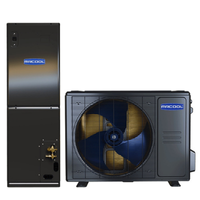
If your monthly utility bill is draining your wallet, the MrCool Universal Central Heat Pump Split System can make all the difference. This eco-friendly, 2 Ton unit is well worth inviting into your home with its Energy Star certification and impressive 18.6 SEER2 rating. Banish your older, less competent system for one that requires only a fraction of the power. No wooden stake or garlic bulb necklace necessary.
Understanding Efficiency Ratings
You could throw a rock in an appliance store,follow its path—if you aren’t asked to leave—and find a product boasting about impressive energy efficiency. It’s a common claim nowadays, but wading through the jargon to understand exactly how efficient it really is can be tricky. A lot of industries use their own proprietary rating systems to give a frame of reference for their product’s efficiency.
In the world of HVAC, there are a range of ratings that give you important information about any system. Terms like SEER, EER, HSPF, and more can feel like a foreign language, but there’s an easy trick to remember: the bigger, the better! In this case, the bigger the rating, the higher the system’s efficiency. For an in-depth explanation about what each of these ratings mean, check out our Efficiency Ratings Breakdown.
Geothermal Equipment
Heating and cooling your home is one of the most taxing processes on your personal power grid—so much so that HVAC units are notoriously referred to as energy hogs. However, HVAC technology is always moving forward to find the most powerful and environmentally friendly solutions to home climate control. Upgrading from an antiquated system to one with a high SEER rating is a great step toward lowering your utilities, but there’s one kind of setup that blows away the competition when it comes to sustainable performance.
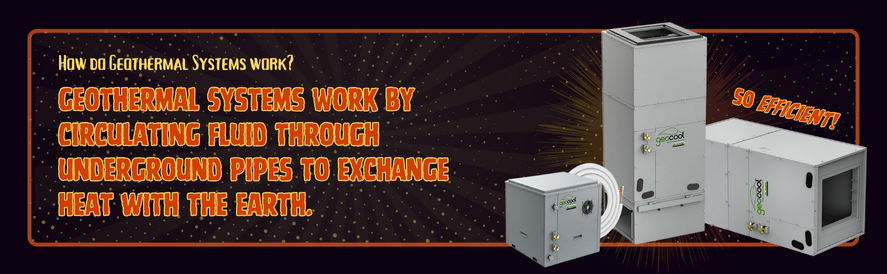
Geothermal systems are the most efficient options on the market today to heat and cool your home, bar none. Looking at stats from the US Department of Energy, the difference in expected efficiency is easy to see. Traditional air-cooling equipment lists a minimum EER rating requirement of between 9.3 to 12.5, depending on the size. Geothermal systems are required to earn an EER rating of between 16 and 21.1. They may have a higher entry price point and extended installation estimate to take care of the underground piping, but geothermal systems are the absolute best option to maximize efficiency in spaces that can support their setup.
Your local agencies may even offer unique rebate options not found on traditional HVAC systems! For more information, check out our geothermal rebate breakdown.
Keep Efficiency in Mind When Shopping at IWAE
Heating and cooling your home is the best way to ensure comfort for your family, but that doesn’t mean it should come at the expense of sustainability. Here at IWAE, we believe you shouldn’t have to choose one or the other: you can care about your home and the environment. Inefficient systems don’t just leave a larger carbon footprint on the Earth, they leave a hole in your wallet from all the savings you’re missing out on! Whether you’re looking to give your existing system a little tune-up or look for a new system that qualifies for energy rebates in your area, IWAE is here to help at every step of the process.