Whether you are attracted to the long term reliability or the energy efficiency, you've decided you want a geothermal heat pump for your home. But these are not a one-size-fits-all technology. There are lots of choices to make. For example, is a geothermal heat pump open loop a good fit for your needs?
Ground-Source Tech
For those who don't know, what is a geothermal heat pump?
Conventional air conditioners and heat pumps rely on the Earth's atmosphere as a standard part of their operating cycle. Geothermal units do not. They use the Earth itself as both a heat source and heat sink. That's the environment a ground-source system will leverage to deliver high performance all year long.
Geothermal Heat Pump Open Loops
Every geothermal system interacts with the Earth via some medium. A closed loop installation uses buried pipes with coolant running through them.
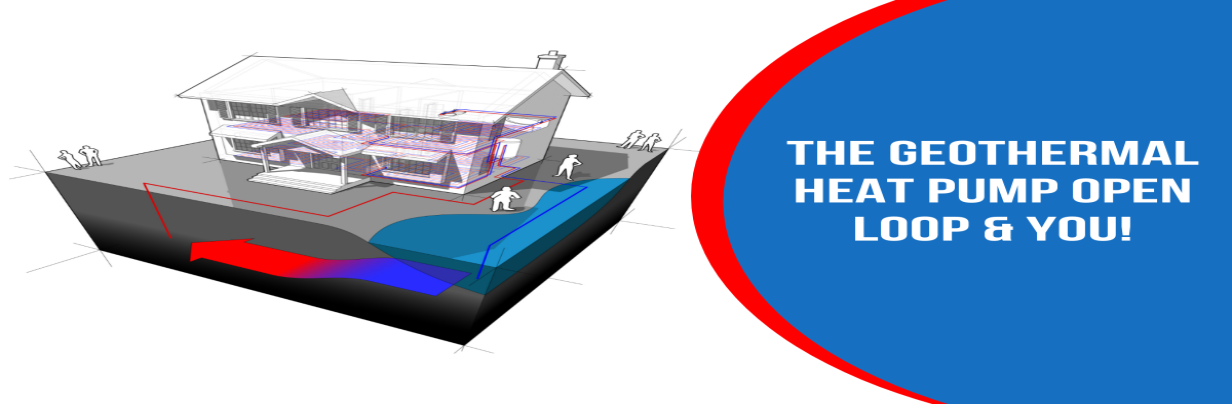
Open loop systems (obviously) don't work the same way. A geothermal heat pump open loop engages directly into a well or surface body of water. They do not require extensive buried piping. Thanks to their heat exchange medium and operating requirements, not only can they be cheaper to install, but they can also operate at higher efficiencies.
So....
Why wouldn't everyone want the higher efficiency and lower cost of an open loop?

They would, but an open loop installation isn't always possible. Local water chemistry must be gentle enough to not wear down the system over time. Water chemistry can vary across the country. and some regions simply don't have the right kind of water to support an open loop.
Many local municipal governments also restrict emissions into the water table. For these reasons there are lots of areas where an open loop is inadvisable or illegal. That being said, if local ordnance allows and your local water chemistry meets certain guidelines, an open loop geothermal heat pump installation could save you a lot of money in the coming decades.
If you have questions about open loops or other geothermal systems, just ask in the comments below.