

Key Ideas
- The most common heating systems in residential applications are furnaces, heat pumps, electric heaters, and boilers.
- Your system is running efficiently when it runs quietly, provides steady airflow, and cycles regularly.
- Call a licensed professional if you experience uneven temperatures, slow temperature adjustment, and increased energy consumption.
- Using an outdated, inefficient system costs more in the long run due to higher energy bills and regular maintenance.
It doesn’t matter whether you have a stove, fireplace, furnace, or heat pump to keep your home cozy: efficiency plays an integral role in how effective your home’s heating results are. Sure, your heater can handle mild weather well enough, but if it struggles to combat plummeting temperatures, it will be your family who ultimately suffers. Winter weather can turn your loved ones into popsicles when your heater falls short of adequately heating your home.
Sometimes it’s hard to be objective about whether or not it’s time to upgrade your HVAC system. Steep starting costs on many modern units can leave a lot of us tolerating worse conditions longer than we should in an attempt to save a few bucks, but does that really help your finances in the long run? Older systems drive up utility bills, demand regular, costly maintenance, and give out at the least opportune moment. Do you think it’s time to swap out your system for something new? Don’t worry. IWAE is here to give you the facts so you can more easily determine if it’s finally time to pull the trigger on a new heating system.
Check to See if Your Heater Is Working
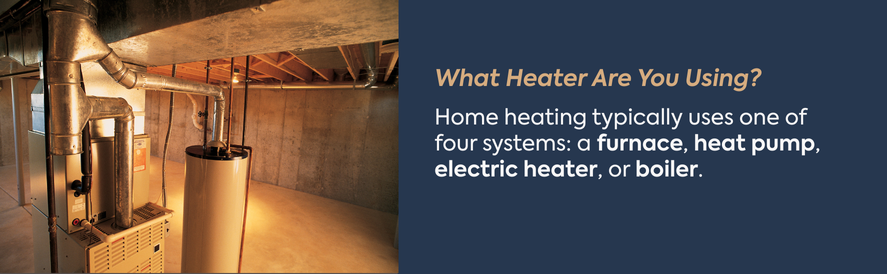
When it comes to heating options, your home most likely uses one of the following systems:
- Furnace
- Heat pump
- Electric heater
- Boiler
All of these types of heaters have unique functionality and features, but there are many commonalities to be found in their operation. Both a heat pump and an electric heater will use electricity to provide the warmth your home requires in winter. A furnace and a boiler both use vapor, although the boiler is fueled by hot water or steam, whereas a furnace uses natural gas or propane for its fuel combustion.
Each unit will come with its own owner’s manual that should outline basic maintenance and safe operating procedures. Be sure to check with your documentation to verify the expected level of efficiency your system should provide.
Curious about key furnace criteria for efficiency? Check out this in-depth explanation.
Common Indicators Your System is Running As Expected
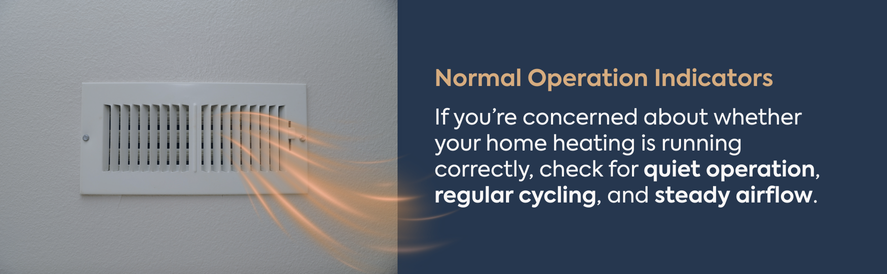
Regardless of which type of heater your home uses, there are a few ways to know your unit is running as expected:
- Quiet operation: Your heating system should make a little noise while it’s running, but it shouldn't be intrusive. Any banging, screeching, or rattling is a sign of deeper issues.
- Regular cycling: An efficient system should turn on and off intermittently to ensure consistent temperatures throughout your home. If your heater doesn’t release any additional warmth or is constantly switching on or off, it might have a problem.
- Steady airflow: Warm air should come through the vents smoothly and regularly when the system is turned on. If the airflow is inconsistent or much cooler than it should be, it’s time to call in the big guns.
Check Your Heating System's Performance
Take a moment to really focus on how well your system heats your home. Is it taking longer to warm up, or do you find the temperature across rooms is inconsistent? Subpar performance might be due to clogged filters, worn-out components, duct leaks, or any number of issues. Even a small, neglected part can impact the overall heating efficiency of your system.
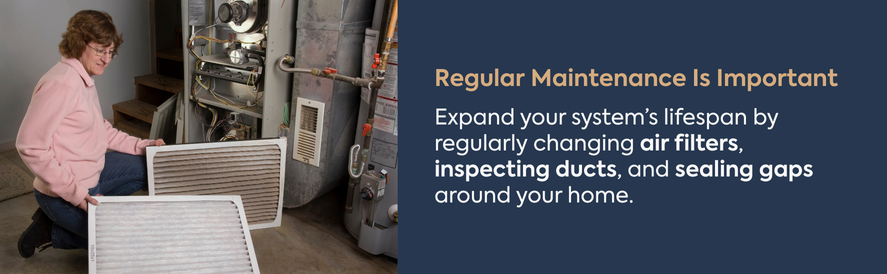
Make sure you're investing in regular maintenance. Changing air filters, inspecting ducts, and sealing gaps around your home can extend the system's lifespan. The better your maintenance, the fewer problems you'll see as time passes. With no complications negatively impacting its performance, your heater can work as efficiently as possible.
Check the Heat in Every Room
Once you know that your heater is working, it's time to test its efficiency. A heater can often continue to work long after its efficiency isn’t up to snuff. Allowing your system to continue handling your heating needs once it’s past its prime can lead to additional system damage and high utility costs.
Not sure where to start your investigation? Try changing the thermostat by turning up the heat a couple of degrees. How long does it take for the heater to catch up? Slow heating leads to less comfortable conditions in your home and may indicate heater issues.
From here, walk through your home to check for cold spots. While they’re most noticeable in extreme weather, you can feel them during regular cold days if you pay close attention. Uneven warmth distribution is a common indicator that your system needs recalibration or repairs.
Check Your Energy Bills
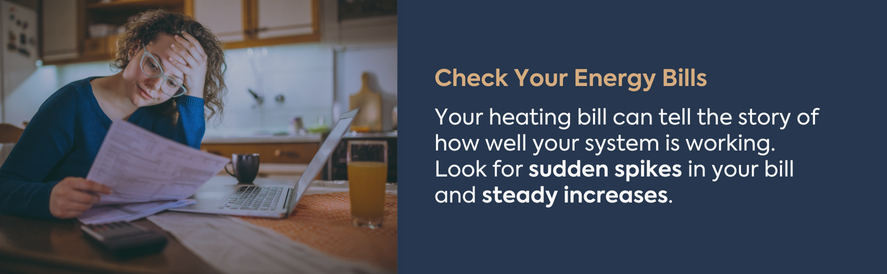
Most people set their bills to auto-pay and carry on, but your energy bills are an easy way to determine if your system's health is starting to deteriorate. A sudden spike in your heating bill could be a sign of inefficiency or disrepair. Compare your energy use throughout the year to spot patterns, a common occurrence being higher bills when the AC is running in summertime. If your bills are increasing despite consistent temperatures and use, it might be time for professional help. Getting system repairs or a new unit altogether can dramatically reduce your expenses.
When Should You Call a Professional?
You shouldn’t leave your home’s heating performance up to chance. If you’ve noticed any inconsistencies, it's time to call a professional. Worrisome noises during normal use, uneven heating, and increased energy bills are all signs your heater needs some TLC. Contact an HVAC professional to get a qualified set of eyes on the situation. During their inspection, the technician will test each core component of your heating system. They'll also look for improper combustion or duct leaks, both of which are safety concerns. If they find anything amiss, they’ll advise you on the best plan of action.
Professional inspections are a smart investment for any homeowner. Having your system checked out regularly will save you money in the long run, letting you catch minor problems early to extend your heater's life. Plus, an expert is another set of more qualified eyes. They can tell you if it's more cost-effective to address issues with repairs or if it’s time for an upgrade.
When Should You Replace Your Heater?
Systems that have a low efficiency rating or are on the older side can leave your home struggling to combat cold temperatures. To bridge the gap between cost and comfort, you can find high-quality systems at our affordable HVAC outlet, where overstocked and clearance units are available for a fraction of the price. Sure, buying a new heater is an investment, but the money you save on lowered utility bills and less frequent servicing can stack up to real savings. When any of the following red flags appear, it’s time to take a long, hard look at your heater:
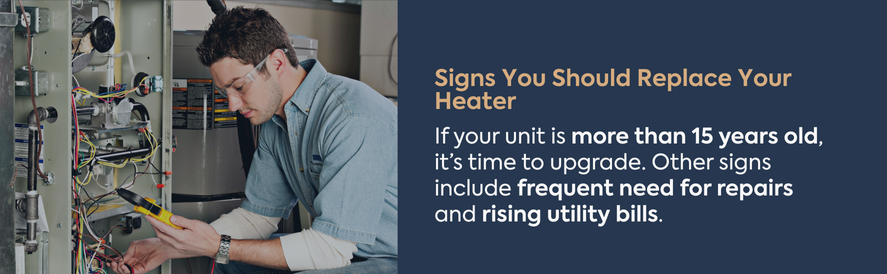
- Age of the unit: Most heating systems last 10 to 15 years, depending on the type and maintenance consistency. Models this age and older have to work harder to provide the same level of performance, using more energy and driving up your monthly bills.
- Frequency of repairs: If your heater requires regular servicing due to breakdowns and issues, it might mean the system is on its last legs. Purchasing a replacement at this point will more often wind up saving you money in the long run.
- High utility bills: Older systems often lose their efficiency with age. You'll see your energy costs decrease with the integration of a new heater.
- Outdated design: Newer models are designed to be more energy-efficient than older technology was capable of. A new heater will be more efficient and environmentally friendly than outdated equivalents.
Get a High-Efficiency Heating System from IWAE
It doesn’t matter whether your antiquated heating system is slowing down or if it’s already come to a full stop: finding a more reliable and efficient option is a worthwhile upgrade for any homeowner. Can’t decide between a heat pump or a gas furnace? If you're looking for a user-friendly, DIY-ready alternative, MrCool heating and cooling systems provide cutting-edge efficiency without the need for a professional installer. Maybe you have special needs, like heating for a homestead or tiny home. No matter what you need help with, IWAE is here to help. Our customer service professionals are ready and willing to help you find the perfect, high-efficiency home heating solution.