
Key Points
- Tornado season varies by region. The window for southern states starts in mid to late spring, while northern and western states see more activity later in the summer.
- Keeping the outdoor area around your home and HVAC equipment clean is crucial to mitigating tornado damage.
- Preparing for a tornado or other severe weather should involve securing outdoor equipment and protecting your electronic hardware from surges and downtime.
It may only be February, but tornado season is quickly approaching. By now, you’ve probably heard from your favorite weather person (shoutout to our favorite, Ryan Hall Y’all!) about the upcoming bout of extreme weather. Unfortunately, this week’s weather is just the beginning, but you still have time to get your ducks in a row. Tornado preparedness is scary, but everyone can do it. Have a safety plan in place before the storm hits. Know where you and your family will take shelter should the weather turn violent, and make an emergency safety package. Don’t wait until you see the funnel cloud dropping to figure out your plan. Start preparing now to maximize your chances of safely navigating the 2026 tornado season.
When Is Tornado Season?
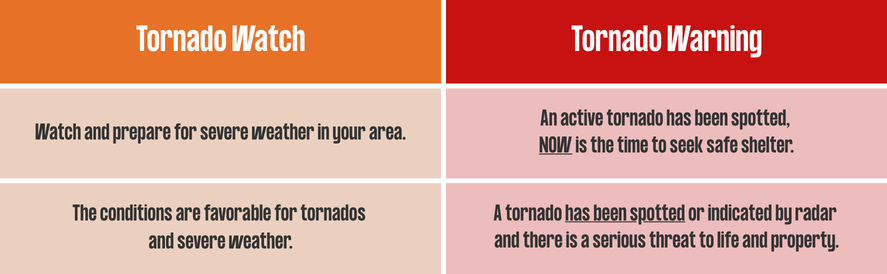
Tornado season differs depending on where you are in the nation. The Southern Plains, which stretches from Texas to Kansas, tends to experience tornadoes most frequently between May and June. The Dakotas, Nebraska, Iowa, and Minnesota see more tornadoes in June and July. Southern states have an earlier tornado season, usually starting in March and extending through May. However, the scary truth is that tornadoes can occur anytime. In fact, one of the largest tornado supercell outbreaks in recent history happened in December. Even more, while tornadoes can occur at any point in the day, recent trends show that tornadoes are most likely to occur between 4 and 9 p.m., when it is often too dark to spot funnel cloud formation.
Why Do Tornadoes Form?
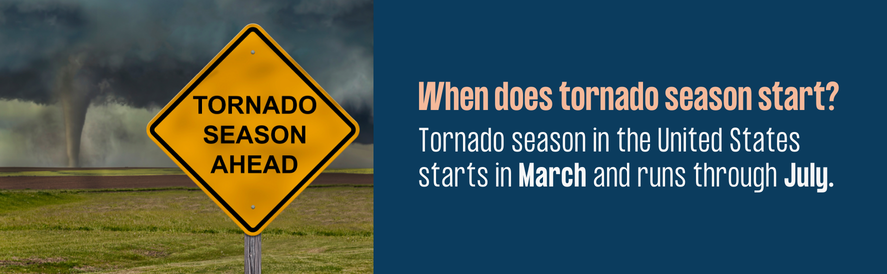
The experts at NOAA (National Oceanic and Atmospheric Administration) admit that the how and why of tornadoes is not fully understood, so we can’t definitively say what causes tornadoes and what makes them stronger or weaker. Generally speaking, we know that the vortex of a tornado is caused by temperature differentials: cold, dry air pushes over warm, humid air. Because heat rises, warm air then rises up and through the cold air, causing the vortex to form. This is why we tend to see tornadoes more during seasons when temperatures change dramatically, and also why they occur more frequently in the sunset hours.
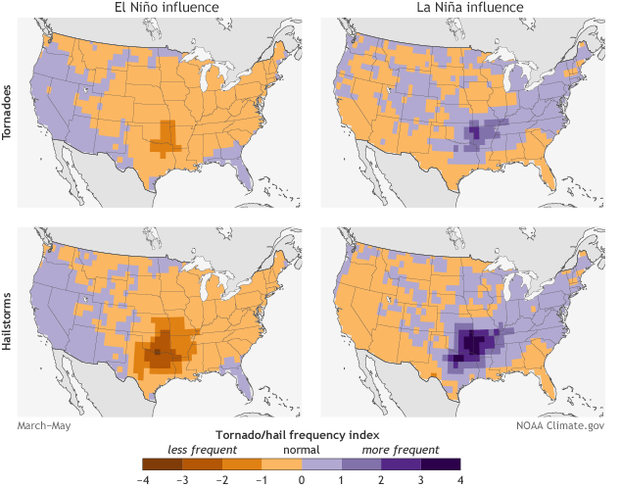
Similarly, overarching weather patterns, particularly the El Niño and La Niña patterns, cause changes in tornadic activity year-to-year. Knowing whether it’s an El Niño or La Niña year can go a long way in increasing your emergency storm preparedness. The graphic below, courtesy of NOAA, demonstrates how these weather patterns increase or decrease the likelihood of tornadoes forming.
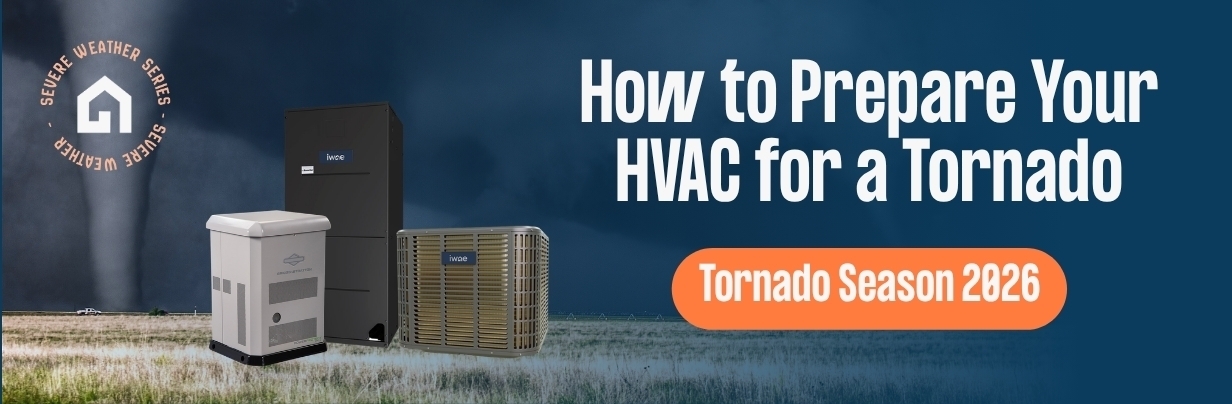
How to Prepare Your HVAC for a Tornado
We often call a tornado an Act of God, meaning that they occur without rhyme or reason, and the devastation is often severe and difficult to mitigate. To a large extent, that is true. Unlike other natural disasters, tornado damage is difficult to avoid, short of building tornado-proof buildings. Few of us live in such structures, but that doesn’t mean that we can’t do our best to fortify ourselves against damage.
Safely Secure Outdoor HVAC Components
Many homes feature at least one outdoor HVAC component that will be exposed to the weather once it arrives. Whether you have a package unit or simply an outdoor condenser, make sure it is safely secured to the ground. If it is sat on a concrete pad, ensure that it is bolted down and level. If it is unlevel, you increase the chances of a gust of wind sweeping it away.
Clear Surrounding Debris
Keeping your yard clean can be a tall task, especially if you live in a heavily wooded area, but try to take some time to clean up before a large storm is predicted. It can’t be helped if a strong thunderstorm (or tornado) knocks down a few branches or trees, but you can certainly ensure that other items like yard tools, wheelbarrows, and outdoor toys are properly stored before the storm hits. Tornadoes are likely to pick up anything that isn’t secured or stored, and those items can certainly be flung into your HVAC unit, as well as through windows or into walls.
If you’re confident that your unit can handle a ding or two, you’re probably right, but consider tornado wind speeds. Even the weakest tornadoes average wind speeds around 110 mph, and the most dangerous ones exceed 200 mph. Your child’s tricycle may not even dent your condenser if you throw it, but when it’s thrown by a tornado? You’d be lucky if your condenser made it out unscathed.
What to Check After a Tornado
HVAC may not be the first thing you check on after a tornado—understandably so. Initially, you’ll probably be more concerned with structural damage to your home, like a missing roof or broken windows. Once the dust has settled and you’ve got HVAC on your mind, you’ll want to check for any structural or internal damage to your outdoor condenser.
- Check for debris in your outdoor condenser.
- Inspect the fins on your outdoor condenser for damage.
- Listen for strange noises coming from your system.
- If you utilize natural gas or propane for a gas furnace, you’ll also want to ensure gas lines have not been damaged.
- Be aware of lightning damage. Lightning strikes may not leave external damage, but they can burn up the internal wires.
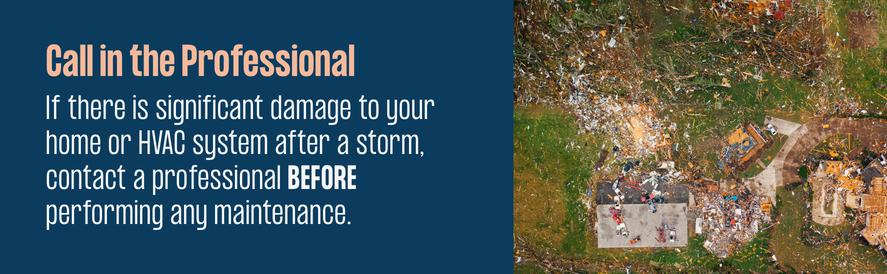
If you find any damage to your system or suspect something is amiss, don’t attempt to repair it yourself. Doing so could void your warranty. Instead, call an HVAC professional to check it out and make any necessary repairs.
Helpful Gadgets for Storm Preparedness
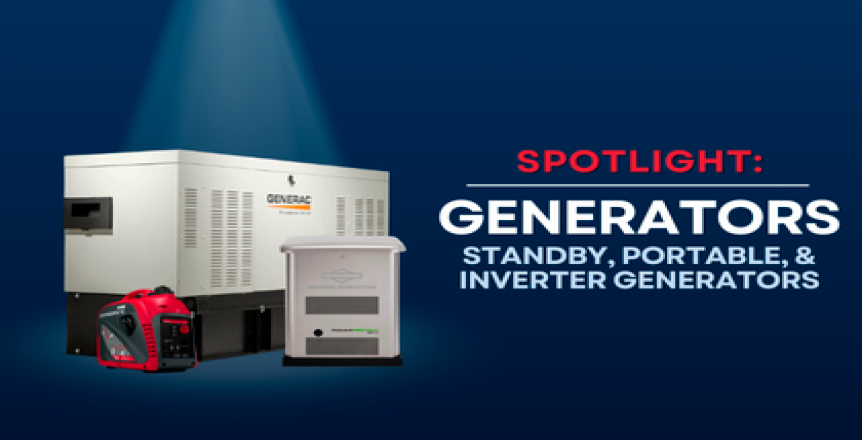
Let’s face it: every season is a storm season, whether that storm is a tornado, thunderstorm, flood, or hurricane. It’s best to be prepared for the worst to happen. As we’ve addressed, mitigating damage can be difficult but not impossible. Installing surge protectors around your home will protect expensive electrical equipment (like a heat pump) from damage if the power grid is impacted by a storm. Inversely, you should be prepared to go without power after a violent storm. Keeping a generator will help you get by until power can be restored. Just make sure you have enough fuel to power the generator.
Be Prepared, Stay Safe
The best thing you can do to ensure the safety of your home is to be prepared. Take every precaution necessary to fortify your home before a tornado strikes. Make sure your windows are closed, prepare and protect your outdoor HVAC, set aside non-perishable food and clean water, and make your sheltering and evacuation plans clear ahead of time. After the storm, IWAE will be here to help, whether that’s by helping you through a warranty claim or helping you fit a new unit to your home. But mostly, we hope you’ll stay safe.