
Key Points
- Keep snow and ice off any outdoor HVAC components to ensure optimal heating inside
- Keep your pipes from freezing by following simple steps like leaving water running and keeping spaces with piping warm
- Follow IWAE's tips for space heater safety when using an indoor space heater
- Melt ice and snow with common household items like rubbing alcohol, coffee grounds, and wood ash
The January 2026 once-in-a-generation snowstorm is on the cusp of sweeping through the United States. If you’ve kept up with the news, you’ve likely already taken care of basic winter emergency preparedness, like stocking up on shelf-stable food, water, and blankets. Or maybe you’re about to rush to Walmart to grab what’s left in the bread aisle. Emergency preparedness can be challenging, especially because storms are often unpredictable. If you’re caught wondering if you’ll face the full force of the 2026 Snowpocalypse, you’re in good company. Come what may, IWAE has a few tips and tricks to make sure you stay safe and warm, whether you get a foot of snow or just face freezing temperatures.
How to Protect Your Outdoor HVAC from Snow and Ice
You might think that simply staying indoors will be enough to avoid the worst of the 2026 winter snowstorm, but you can’t turn a blind eye to what happens outside. A simple pile of snow can cause catastrophic issues for your home’s HVAC system, and accumulating ice can quickly become roof-damaging ice dams. Ideally, you’ll have your outdoor HVAC system components housed under a small shelter that keeps rain, snow, and ice from directly hitting them, but we recognize that not everyone has this luxury. Even if you have taken measures to protect your outdoor components, extreme weather can still cause issues. Here are a few snow and ice-related situations to look out for.
Snow Buildup On or Beside Your Outdoor Condenser
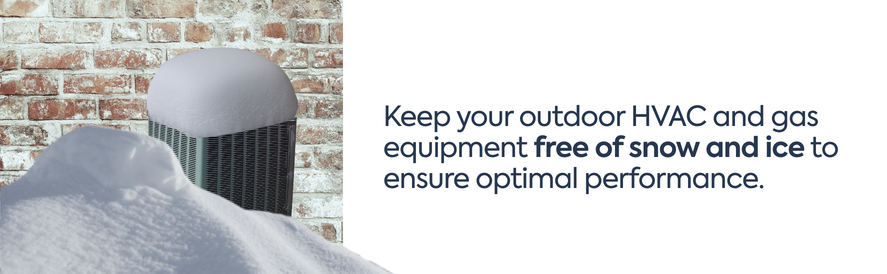
If snow piles up on or beside your outdoor condensing unit, the best thing you can do is get out there with a shovel. You may be able to move easily through a pile of snow, but air doesn’t. If snow builds up enough to block the airflow for your condenser, it will have to work overtime to produce the heat you need indoors. This will not only cause your energy bills to skyrocket but also increase the chances of system failure. You may not want to get out into the cold to perform this critical maintenance, but if you don’t, you may be facing a frigid house without heating. When checking on your outdoor HVAC, make sure that snow has not piled up on top of your condenser or around the exhaust side. Clear snow with a shovel or broom, and be careful not to damage your unit in the process.
Snow Covering Your Gas Meter
If you utilize gas heating or a gas pack, you’ll have a gas meter somewhere outside your home. It will likely be attached to an outside wall. We typically only think about these meters when it’s time to figure out our energy bills, but what many don’t realize is that gas meters have a small vent on the bottom. This vent allows the meter to safely release pressure and buildup. If it gets covered by snow, this may cause your gas valve to stop working, leaving you without adequate heating.
Ice Forming on Your Condenser
It’s relatively common for ice to form on your condenser in the winter, but this is generally resolved when the unit goes into defrost mode. However, in extreme weather situations, ice may build up and cause significant issues for the unit and your home. If you notice abnormal or lingering ice buildup on your unit, here’s how you can safely remove it.
- Carefully remove snow, ice, and other debris from around the unit to prevent airflow blockages. Use a broom or other soft tools to prevent damaging any system components.
- Do not use sharp tools to chip away the ice. Using sharp tools like a screwdriver or shovel increases your risk of damaging the unit.
- Pour lukewarm water over the ice to melt it enough to remove it safely. If you do this, make sure that you wipe away any excess water afterward to prevent further ice buildup.
How to Keep Your Pipes From Freezing
Take it from us, burst pipes cause more damage than you might think. When your pipes freeze and burst, they not only disrupt your water flow but also increase the risk of water damage to any infrastructure near them. Don’t risk having to replace your entire kitchen floor in the middle of a snowstorm. Follow these steps to keep your pipes from freezing.
- If your pipes run beneath or behind your cabinets, open them regularly to allow warm airflow in.
- oors closed to prevent heat loss.
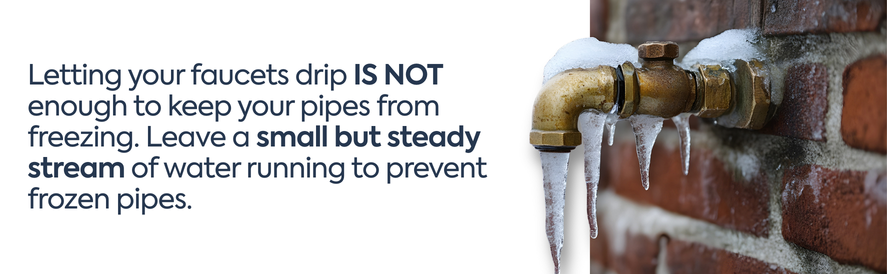
- Leave your faucets running with a small but steady stream so that water doesn’t build up and freeze in your pipes. Contrary to popular advice, leaving your faucets on a drip is not enough to prevent freezing.
- Keep your room temperature at at least 50 degrees to prevent freezing. You may try to save energy during a snowstorm by shifting to zoned heating, but don’t ignore rooms with plumbing.
- Don’t close off rooms with plumbing. Make sure the doors to these rooms are open so that warm airflow reaches them.
- If your home has a crawl space, make sure it is closed off to cold air. Close any vents that allow cold air to circulate beneath your house, where it can freeze pipes.
- Turn off and drain any outdoor irrigation lines, including garden hoses.
Space Heater Tips for Staying Warm Indoors
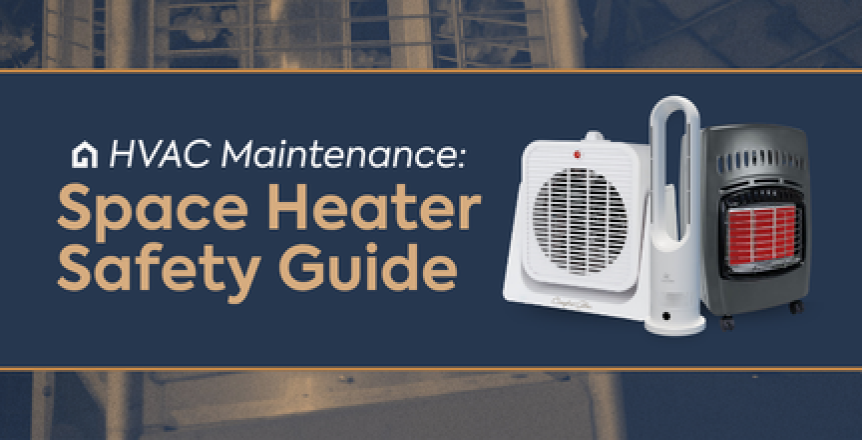
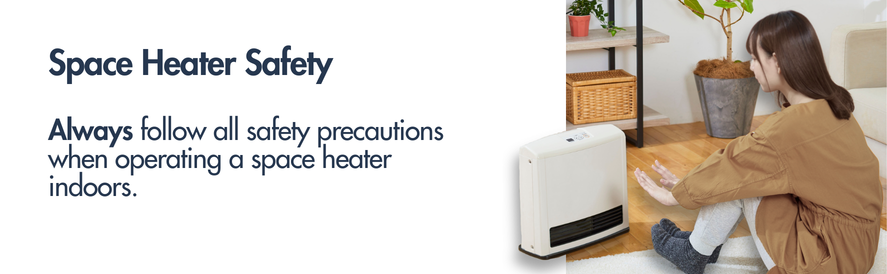
Outdoor maintenance is essential to ensuring your indoor environment stays warm, but sometimes even that’s not enough. Maybe you have an inefficient unit that you’ve been waiting until spring to replace, or maybe your unit isn’t rated to handle the coming cold. In that case, you may want to pull out an indoor space heater. Space heaters are great options for on-demand zoned heating, but there are still several safety concerns you should keep in mind when using them.
- Never plug a space heater into an extension cord. Make sure that you plug it into a dedicated wall outlet to prevent electrical hazards.
- Do not run the heater’s cord underneath carpet or a rug.
- Check the cord, plug, and outlet connected to your heater. If any of those parts are hot, turn the heater off and set it aside for repairs.
- Remember the 3-foot rule: Make sure that the space heater is at least 3 feet away from anything flammable, like curtains, blankets, and sofas.
- Do not get your heater wet or touch it while wet. Keep it away from water.
- Do not leave heaters unattended. You may be tempted to leave it on while you sleep, but this can be incredibly dangerous. Turn it off before you go to bed.
- If using a kerosene gas heat, ensure you have proper ventilation to prevent carbon monoxide buildup. Keep a door open to ensure proper airflow. To be the absolute safest, only use kerosene heaters with oxygen sensors and keep adequate CO monitoring in your home.
Tips and Tricks for Melting Snow
Most homeowners don’t keep industrial road salt in the garage, but did you know that some other common household items can effectively combat the snow and ice?
Use Coffee Grounds to Prevent Snow Buildup
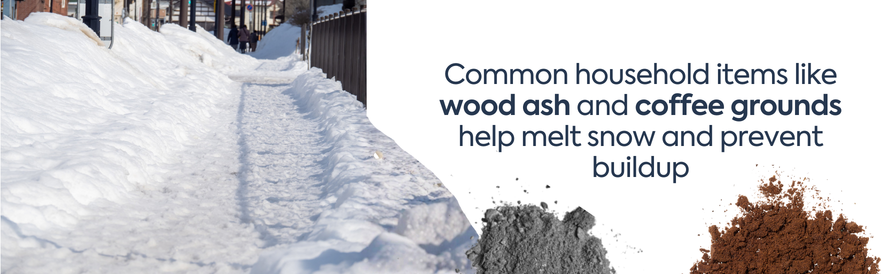
If you keep coffee grounds for compost—or just drink a lot of coffee—you can spread the spent grounds on sidewalks and steps to prevent snow buildup. Coffee is high in nitrogen, which is why it’s a common ingredient in homemade garden compost. Combined with high acidity, this makes coffee great at melting snow.
Melt Snow with Wood Ash
If you maintain a fireplace or woodstove in your home, you can also get a little extra use out of your wood ash. You probably remember learning this in an elementary science class, but darker colors absorb more light and warmth. Wood ash is also high in potassium, which raises the snow’s freezing point. This phenomenon means that wood ash utilizes the winter sun to expedite snow melt.
De-Ice Outdoor Steps and Sidewalks with a Water and Alcohol Mixture
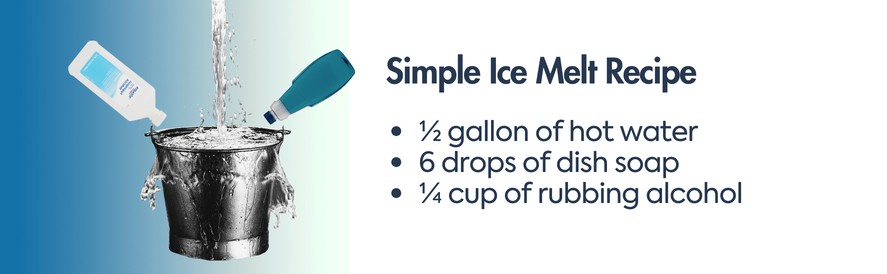
Your first instinct to melt snow and ice may be to throw hot water on it. While this is a decent short-term solution, you are essentially laying the groundwork for a dangerous ice slick. We’ve all seen the outcome of this in Home Alone, haven’t we? If you need a quick fix for icy walkways, take a little extra time to add rubbing alcohol and dish soap to your water mix. Pure rubbing alcohol has a low freezing point, to the tune of -128°F. Even when watered down, this will result in more of a slush than pure ice when exposed to sub-freezing temperatures. This means that when you pour it outside, the likelihood of an ice slick forming is much smaller than if you used only water.
Make as much of this solution as you need, but follow the proportions in this recipe:
- ½ gallon of hot water
- 6 drops of dish soap
- ¼ cup of rubbing alcohol
Keep Your Whimsy, Have Fun!
Yes, we keep calling the coming storm the Snowpocalypse of 2026, Snowmaggedon, and other fear-mongering names, but you don’t have to look at the coming weather in a purely negative light. The snow will give you a chance to slow down. Read that book you’ve been putting off. Spend quality time with your family. Today, many of our editors have been happily chatting about the chance to make snow cream—and arguing about whether or not sweet and condensed milk is really necessary. Even in all the chaos, there are pockets of joy to be found. Keep your head up and your eyes open. And most importantly, be safe.