

Key Ideas
- Keeping your home properly sealed and insulated is the most important factor for retaining heat.
- Choosing a smart thermostat saves on energy expenses while maintaining your desired temperature.
- Zoned HVAC solutions provide customizable comfort per room.
- Give your heating system a break by wearing warm clothes and accessories.
Winter weather is waging a war against your indoor ambiance, so what’s your battle plan? You can surrender and live in frigid discomfort until spring breaks, or you can fight back and protect your family’s comfort and safety. A Rocky-style training montage won't be enough to combat the dropping temperatures. Brawn alone won’t make your space toasty, so it’s time to use your brains to prepare a better home heating solution this year. Warm up during the long, cold nights of winter with these tips and tricks on keeping your space cozy without breaking the bank.
Home Upgrades to Lower Heating Costs
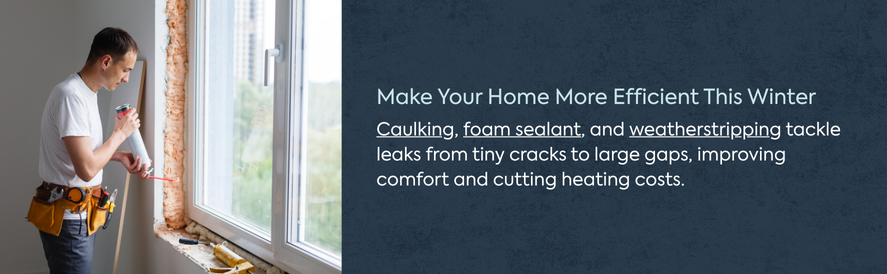
Ideally, you’ll ensure your home is in good shape for winter during the off-season. Temperatures in autumn and spring are much more pleasant for tasks like insulation updates and sealing large gaps, cracks, or holes that let your carefully conditioned air seep out into the ether. If you missed the window this fall for a big change, it’s okay. There are some smaller repairs you can tackle during winter. Everything from doors to windows affect your home’s temperature, for better or worse. While we always suggest calling a professional to keep every step up to snuff with federal, state, and local regulations, there are some sealant options you can do yourself to make your home more efficient this winter.
Caulking
Caulk is one of the most affordable air sealing solutions. Caulking effectively seals air leaks between stationary components in homes like window frames, doors, or gaps around electrical outlets that sometimes leave small gaps less than a quarter-inch wide. It dries fast and typically cures in 24 hours, meaning caulk is a quick and powerful weapon in your fight against the encroaching winter. To start caulking, you only need basic sealing tools such as a caulking gun, putty knife, and a screwdriver. The most common types of caulking you can use are silicone, polyurethane, and acrylic latex, so be sure to choose the right material for your purposes.
Weatherstripping
Weatherstripping is an option to consider when you’re looking to seal air leaks for moving house components, such as doors and windows. Since weatherstripping doesn’t provide a permanent seal, you don’t need to worry about permanently closing windows or doors. This sealing option is also ideal for areas where caulking isn't enough to defend against cold temperatures, like wide gaps between your front door and doorframe. There are a few different weatherstripping materials to work with when sealing a home, such as felt, v-strip, foam tape, and door sweeps/thresholds. This means you don’t have to settle for a one-size-fits-all fix. Instead, choose the solution that best suits your needs.
Foam Sealant
Spray foam sealant is ideal for permanently filling larger gaps around windows, baseboards, electrical boxes and areas where plumbing enters a property. This option is mainly made of expanding, waterproof polyurethane foam. When sealing a house, the foam expands and creates an airtight seal to prevent drafts and enhance the performance of the home’s existing insulation. Foam sealants are available in different types, such as straw foam, gun foam, and canister foam, though straw foam is the most common foam sealant found in the market.
Energy-Saving Smart Thermostats
You already know that choosing an energy-efficient HVAC system for your home is a great way to cut utility costs while enjoying the temperatures you crave throughout the year. But what if we told you that adding a smart thermostat to the mix can bolster your savings further? According to Energy Star, qualifying smart thermostats can save you around $50 or 8% each year.
You may find yourself thinking that the savings don’t seem to outweigh the initial cost, but saving a few bucks is just one of the many perks. There are several types of thermostats available, each offering additional benefits for your home, like scheduled temperature windows, sleep settings, and more. IWAE offers a wide range of thermostat options, so you’re guaranteed to find an option that fits your budget and energy-saving needs.
How to Set Your Thermostat to Save Energy
You might have already read our temperature setting guide that goes over summer and winter best practices to optimize your home’s HVAC use, but the general guidance is easy to follow:
- A temperature of 68 degrees Fahrenheit strikes a balance between energy efficiency and comfort. When adjusting the temperature, only change it by a degree or two at a time.
- Light-colored curtains, blinds, and shades allow in more sunlight, warming your home without having to turn up the heat.
- Use programmable thermostat features to save energy while you’re away from home for a trip or work.
If you’ve already taken steps to ensure your home is properly insulated, your loved ones will complain about the cold much less often, but there’s only so much you can do for individual preferences. When it comes to staying snug, everyone in your home probably has their own unique preferences. Your kids beg you to turn down the heat. Your spouse refuses to tolerate the cold in any capacity. But you? You just want a way to keep everyone from suffering through the season.
At the end of the day, you pay the bills, so you set the thermostat. We’ll go over ways to keep everyone cozy, but choosing a temperature that won’t keep your system running all day and night is the first step to savings.
Zoned Heating Saves Energy
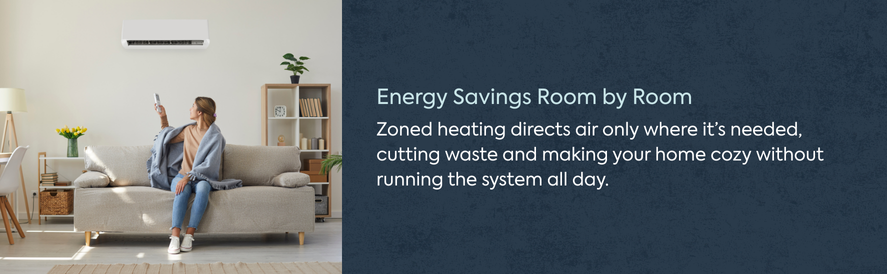
Have you ever wondered if zoned heating and cooling is right for your home? Well, zoned HVAC solutions come with several energy saving features. Central systems use a single thermostat to control the temperature in every room. This means your bedroom, the living room, your spouse’s office, and the kids’ bedrooms will all have the same level of heat flowing in through the vents when the system cycles. The fact of the matter is most of us have unique preferences that can’t be accommodated by a system using a single air handler.
With a ductless, zoned heating solution, each room in your home will have a dedicated air handler that disperses fresh, clean air at the exact temperature the inhabitant of that space wants. This level of customization is the ultimate, cost-effective shield in the fight against dropping temperatures. Your wife can keep her office frosty, your kids can keep their bedrooms balmy, and you can stop listening to your family argue over how to set the thermostat. Beyond keeping your home calm, per-zone heating solutions offer incredible energy efficiency (like this 5th Generation 4 Zone MrCool DIY bundle). By conserving energy for those who won’t turn up the heat, you’ll feel all warm and fuzzy inside knowing you’re making your family and your wallet happy in one fell swoop.
Did you know there are different types of zoned heating? If you’re curious about what kind of ductless HVAC options are out there, check out our single-zone vs multi-zone breakdown to learn more.
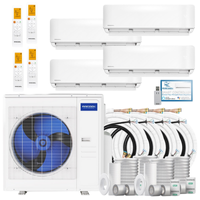
MrCool DIY Multi Zone Mini Split 36k BTU 4 Zone
Ductless AC & Heat Pump - 5th Generation - R454B
Habits that Reduce Heating Expenses in Winter
Content creators like Amy Dingmann have outlined ways to stay warm without cranking the heat. These largely simple solutions outfit your family with powerful armaments to hold the outdoor conditions at bay:
- Dress in layers with the bottom-most layer tucked in to lock in body heat. Include something to cover your head and feet to minimize any escaping heat.
- Cook a meal using appliances like the stove and oven. Larger devices create a significant amount of heat that will disperse through the room.
- Have blankets and quilts readily available so anyone can grab one as needed to keep cozy. Cuddle up to a loved one under the covers for extra warmth.
It’s best to take this advice as a guideline, not a rule. Tailoring your strategies to your family is the best way to keep the peace—and keep the price of heating low. Your teens may want to crank up the space heater, but wearable comfort like the Oodie will keep them stylishly toasty without the added cost of electricity. Do your parents hate keeping blankets out but refuse to turn up the thermostat? Layering up or finding a nice set of fleece-lined clothing will cut the bite of winter weather down to a nibble. Just remember that heat rises, so cap off your look with a beanie or hat that locks in that body heat!
Stay Warm with IWAE
From staying warm when the temperature plummets to battling winter emergencies, IWAE has your back. Our dedicated team is always ready to help you find ways to be energy efficient while fighting off outdoor conditions. Everybody and every body is different, so finding a single temperature solution to please an entire family feels like a fruitless endeavor. With IWAE in your corner, optimizing your whole home for winter just got a whole lot easier. From supplementary ways to optimize your comfort to adding in flexible heating options like fireplaces, stoves, and space heaters, IWAE will help you find ways to keep everyone cozy this winter season.