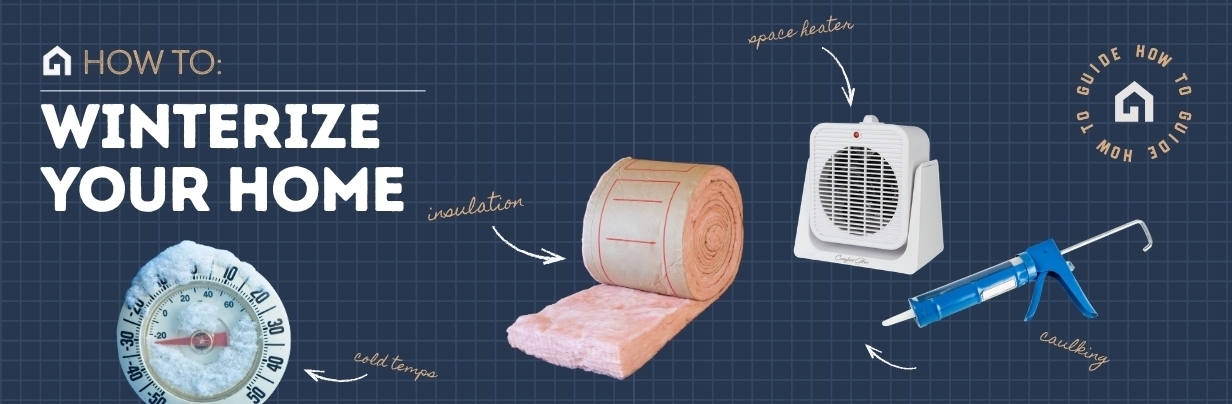

Key Ideas
- Improper sealing, poor insulation, and outdated windows leave you vulnerable to the cold.
- Caulking, weatherstripping, and spraying foam sealant mitigate heat loss.
- Proper HVAC maintenance, like flushing the water tank and replacing the air filters, keeps your home cozy.
- Add ambiance and warmth with heated blankets, thermal drapes, wall tapestries, and cozy accessories.
Maintaining toasty temperatures inside during winter may feel like a losing battle. You may have gone into the season feeling confident in your heating setup, but that doesn't mean your home was ready to fight alongside it. After all, even the best laid plans can fall flat when antiquated windows and gaps around the doors leave your heating system struggling to keep up. When that happens, there’s no reason to toss up the white flag. Sometimes the best move is a brief retreat to build a better strategy for the next fight. Luckily, IWAE is here with unbeatable winterproofing strategies to keep your home cozy.
Why Is Your House So Cold in the Winter?
It may surprise you to learn about all the ways heat can escape from your home. When you’re looking to fortify your fortress against the cold, here are some key areas to investigate:
- Windows
- Sealing along windows, doors, outlets, ductwork, pipes, drains, and more
- Insulation in attics, ceilings, walls, floors, and basements
Did you know windows are responsible for 25% to 30% of residential heat loss? Or that inadequate sealing can tank your heating and cooling system’s efficiency? Just because the insulation is tucked away behind walls and ceilings doesn’t mean you can assume it’s all in good shape. Each of these factors play a heavy part in your victory or defeat when you’re grappling against dropping temperatures. With IWAE’s guidance, you can turn even the worst liability into your greatest asset with just a few tips and tricks.
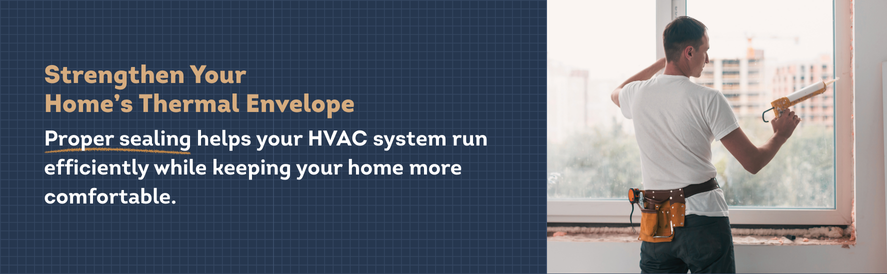
How to Seal Your Home Against Winter Weather
There are four main ways to improve your home's heat sealing. Caulking, weatherstripping, and foam sealant are all powerful tools you can use to combat the chill of winter, while proper insulation is integral for consistent heating. We break down the ins and outs of each of these tools in our Smart Strategies to Lower Your Heating Expenses in Winter article, but if you’re new to home sealing, check out how to properly seal your home for the winter.
How to Apply Caulking
Applying caulk using a caulking gun is a straightforward task. Once you have the product in hand and you’ve found where it needs a new coat, simply follow these steps:
- Prepare the surface: Remove any old caulk with a putty knife or screwdriver, then clean and dry the area.
- Set up the gun: Insert the cartridge into the caulking gun, then cut the applicator tip at an angle for smooth application.
- Load and test: Push the gun's shaft against the bottom of the cartridge and squeeze the trigger to practice applying the caulk on a surface like spare paper.
- Apply caulk: Hold the caulk gun at an angle and apply pressure on the trigger. Keep your hand steady and move in one fluid motion.
- Stop the flow: Once you're done, release the pressure to stop the flow. Excess caulk can still exit after you’ve stopped applying pressure, so store it where it won't damage anything.
- Flatten the bead: To work the caulk into the gap for a clean seal, use a wet finger, spoon tip, or other tool to push it in. If the crack is deep, you may need to repeat these first 6 steps until you have completely sealed the breach.
- Clean mistakes: If you want to remove any imperfections, wipe them away immediately with a clean, damp cloth or towel before they can set.
How to Apply Weatherstripping
Weatherstripping locks the heat in for gaps too large to be effectively caulked. From felt and foam to v-strip, door sweeps, and threshold, here are the general steps for applying this sealant:
- Clean the surface: Remove any old weatherstripping and wipe the surface to ensure it's dry and free of any leftover adhesive and debris.
- Measure the area: Use a tape measure to determine the length of the gap; cut the weatherstripping a little longer than the actual length of the gap, just in case.
- Test to fit: Before sticking or nailing down the weatherstripping, check to make sure it fits properly or make the necessary adjustments.
- Install the weatherstripping: Be sure to follow the instruction manual for the specific weatherstripping material. For adhesive options, peel off the backing and apply it firmly. For nail-in weatherstripping options, secure it with a nail every few inches.
- Check if it works: Open and close the window or door to make sure it seals properly without impacting its operation.
How to Apply Spraying Foam Sealant
For applying straw foam sealant, the following steps are all you’ll need to keep the cold at bay:
- Prepare the can: Connect the straw adapter to the canister and the trigger assembly to the valve, then shake the can to mix the foam thoroughly.
- Test the foam: Grip the can upside-down and gently squeeze the trigger to release some foam. Test the foam on scrap material to feel its flow rate and expansion.
- Apply the foam: Spray the foam evenly to fill gaps no more than a third of the way to leave room for the foam's expansion, then move the straw to the next area.
- Clean and cure: Immediately clean any wet foam on your skin with a dry cloth. Use acetone or foam cleaner to remove uncured foam on any surface where it shouldn’t be. Once the foam has dried completely, it can be trimmed or sanded for a smooth finish.
Types of Home Insulation
Poor insulation can lead to shortened HVAC equipment life, compromised air quality, and overall discomfort. You always want to stay within the recommended home insulation R-Values, but otherwise you should choose the best insulation type for your needs. Some options include:
- Concrete block: Usually installed during new construction or renovation, concrete blocks help boost structural integrity while enhancing energy efficiency. Block wall exteriors help moderate indoor temperatures. They can also be filled with insulation to boost the overall R-value of the structure.
- Batts and rolls: The most popular type of insulation, batts and rolls are generally made of flexible fiberglass and other materials like plastic fibers and sheep, cotton, mineral, or wool.
- Foam board: This insulation consists of rigid panels made from materials like polyurethane and polystyrene. It's used to insulate every part of a house from the basement to the roof. Foam boards minimize heat transfer from materials such as steel and wood.
- Loose-fill and blown-in: Made from small particles like cellulose, fiberglass, or mineral, loose-fill and blown-in insulation are produced from recycled materials. They conform to irregular spaces and hard-to-reach areas.
- Radiant barriers: This insulation is made with reflective materials such as aluminum foil to reflect radiant heat. It's mainly installed in attics to help reduce summer heat gain, improve comfort, and decrease energy costs.
Gadgets to Keep You Warm
Now that your home’s barricades are strengthened to prevent heat loss, it’s time to bolster your indoor defenses. Before you jump to buy a new heating and cooling system altogether, there are some small but impactful instruments you can take against winter weather.
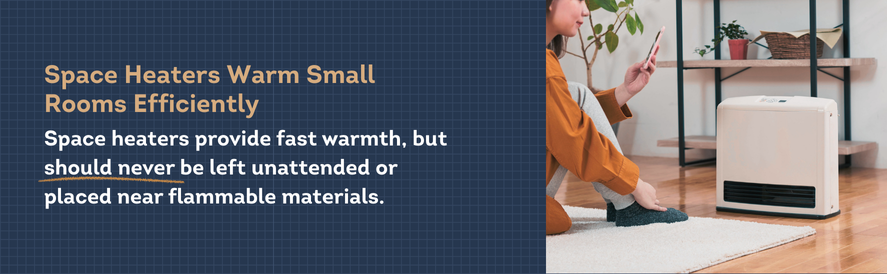
Space Heaters, Stoves, & More
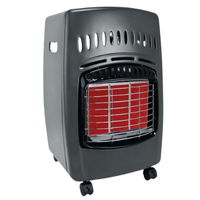
Your HVAC system might need a little help, but that doesn’t mean it’s down and out! Electric options like space heaters, stove heaters, and fireplaces provide the toasty temperatures you want while adding a touch of ambiance to the space. Alternate fuel options for stove heaters like gas, propane, wood, and pellets keep the heat going, even after vicious ice assaults against the power lines leave you without electricity. If you’re willing to pay the fee, you can even bring in the big guns with a radiant floor system! To power such a system with maximum efficiency, many high-end homeowners pair their floor loops with ClimateMaster geothermal units for consistent, whole-home comfort. Nothing says victory against the chill quite like warmth under your bare feet on a crisp winter morning.
Cozy Accessories
Solutions like window film insulation and draft guards won’t always look pretty, but they will stop heat from abandoning its post. Still, you want your home to be warm and cozy. Leaving your walls barren of art and decor leaves a space feeling cold and empty, actual temperature withstanding. The experts at Home Decor Bliss have a list of 15 ideas to insulate with style, including thermal curtains, area rugs, and wall tapestries that will bring the heat and tie the room together. Don’t forget couch accessories, either! Bundling up under the covers might leave you shivering, but a heated blanket supplies ample heat to keep you snug on those long winter nights.
Other Ways to Winterproof Your Home
Did you know that flipping the switch on your fan changes the direction it rotates? This isn’t a matter of personal preference: clockwise rotation on ceiling fans pushes warm air down to keep your home’s temperature more stable. Maintenance like replacing air filters and flushing your water heater also helps your home fend off the bitter onslaught from any cold front. For homes that have a chimney, just closing the flue might not be enough to trap in the heat. Solutions like chimney balloons seal that last open channel to the outdoors and keep your space homey and welcoming.

Bring the Heat this Winter with IWAE
The war against bitter temperatures rages on, but with IWAE, surrender isn’t an option. When you outfit your house with the right heat-trapping equipment, winter won’t stand a chance. IWAE is ready to join your ranks in battle and help you craft an ironclad defense against the cold this winter. If you’re unsure what upgrades to tackle first, reach out to our incredible customer service experts. Reinforcements are on the way!