
Key Ideas
- Dirty air filters influence the efficiency of your HVAC unit and negatively affect your indoor air quality.
- The easiest and quickest way to catch a dirty air filter is a visual inspection once a month.
- Always use the right size and strength air filter. Ideally, you should have spares on-hand for quick substitution.
- Air filters are frequently found in the furnace or at the air return vent.
Imagine the world thawing as winter melts to make way for spring. The trees grow back their leaves, the flowers begin to bloom, and the temperature is finally warm enough that you can venture outside. You take that first step into the open air, take a deep breath, and feel your nostrils immediately plug up from the barrage of allergens and other particulate matter hitting your sinuses. This suffering isn’t singular to people with seasonal allergies: your HVAC unit has to contend with dust, debris, pet dander, and any other pollutants in your home day in and day out, year-round. A clean air filter lets your HVAC setup safely and consistently push air through the system to heat, cool, and regulate the airflow and temperature within your home. In the same way our respiratory systems use nose hairs to filter out those irritants, our heating and cooling systems use an air filter to keep them “breathing” easy.

What Do Air Filters Do?
Air filters are an integral element of your heating and cooling system. Not only do they keep your system clean, but they also keep the air you breathe clean and healthy. Air filters catch particulate matter like animal hair and dandruff, mold spores, and even smoke particles before they can circulate through your home. You should always insert an air filter when you run your AC, but not all filters are built the same. Filters typically have something called a MERV rating, which will tell you how effective they are at filtering out certain sizes of particulate matter. For people who live in regions with poor air quality due to environmental factors like wildfire smoke and other air pollution, a higher-grade air filter will clean the air before it comes into your home. For anyone concerned that a standard air filter won't be enough, consider investing in auxiliary air cleaners or air purifiers.
Why Should I Do Air Filter Maintenance?
HVAC filters are necessary for the long-term health and safety of your home, your HVAC unit, and your health. A dirty air filter can lead to lasting consequences. The decrease in air quality can lead to breathing issues that worsen the longer the filter remains unchanged. In dramatic cases, leaving a clogged filter in your HVAC system leaves your home at a higher risk of a ventilation fire. It only takes 5 minutes or less once a month to check that the air filter is working properly, so there’s no reason to put it off. The easiest part of air conditioner maintenance is keeping up with the air filter. Let’s break down how to tell if your air filter is dirty and how clogged air filters affect your life.
How Dirty Air Filters Affect Your HVAC Unit
The most common symptoms your HVAC unit may display to indicate a dirty air filter are:
- Overheating
- Inadequate airflow
You may think of these symptoms as small potatoes, but belittling these inconveniences can lead to a larger issue down the road. These risks include:
- Dust and debris build-up in the vents and ductwork
- Long-term damage to the system, up to and including a total unit failure
Allergens and other particulate matter in your ductwork may not start a fire, but they add fuel to the flame. Clogged air filters force your system to work extra hard as they try to compensate for the lack of airflow. This strain breaks down the hardware faster and can cause the unit to give out years before their average life expectancy.
How Dirty Air Filters Affect Your Home
The air quality in your home is fully dependent on the abilities of your air filter. Leaving a clogged filter in place causes:
- Increased energy bills
- Dust, dander, and other allergens to circulate in the air
- Foul odors (similar to when you first turn on your heat for the season)
- Uncomfortable temperatures or an inability to maintain your chosen temperature
How Dirty Air Filters Affect You & Your Family
Beyond stuffy air and subpar performance, leaving a dirty air filter in your HVAC unit negatively affects the health of you and your loved ones. If you don’t keep up with regular maintenance by cleaning or replacing air filters, you and your loved ones will feel the impact in the way of:
- Burning or watering eyes
- Stuffy or running noses
- Scratchy or sore throats
- Worsening of asthma symptoms

How to Tell if Your Air Filter is Dirty
When you first turn on the heat each year, the unpleasant odor of burning dust is a common and expected occurrence. This is due to the dust build-up that occurs during the extended period of time the unit is turned off during the off-season. The dust burns when the unit fires up, pushing that scent and smoke through the vents into your living space. If this smell persists after you’ve first turned on your unit, or the smell returns throughout the heating season, your air filter might need your attention.
Oftentimes, figuring out that your air filter is dirty is as simple as a visual inspection. Dust and other debris gets caught in the pleats, changing the color from white to grey or brown. But this isn’t the only way to determine that your air filter needs to be replaced. Once you know what to keep an eye out for, catching a clogged air filter early is easy.
Can You Clean Your Air Filter?
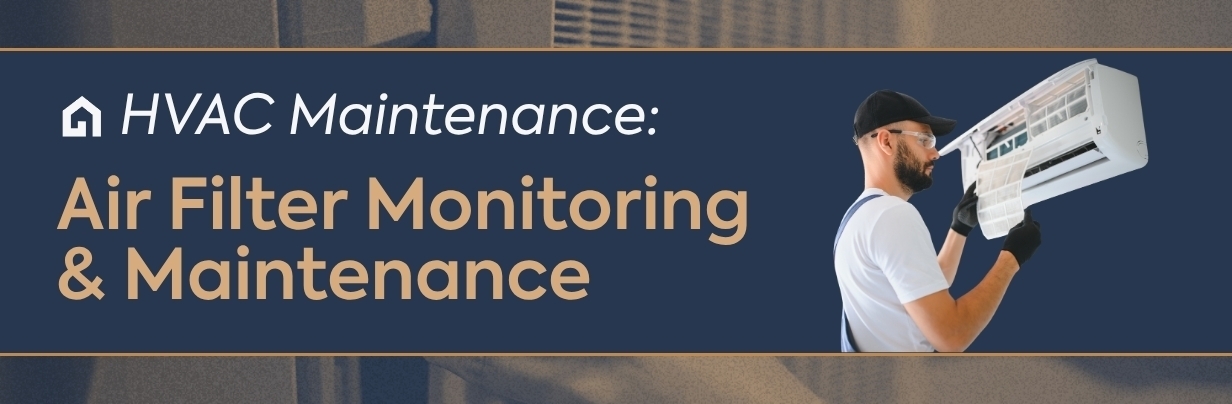
Most air filters are designed for one-time-use, but not all! Many mini split systems integrate reusable air filters. You should always follow the manufacturer’s guidance on how to maintain their proprietary air filter. A great example of this type of cleaning workflow comes from the DIY HVAC experts at MrCool, where they’ve outlined the steps for reusable air filter cleaning:
- Turn off the system, ideally disconnecting it from power
- Open the air filter and remove the filter
- Use a shop vac or hose to vacuum any dust or debris from inside the unit
- Run lukewarm water over the filter to remove buildup
- Dry the air filter completely before reinstalling the filter into the air handler

When Should You Replace Your Air Filter?
Every air filter has its own life expectancy. Most standard air filters should be swapped out every one to three months, though some systems stretch a filter’s usefulness to a full year! Factors such as the size of your home, the air quality in your region, the number of occupants and pets all influence the longevity of your air filter. Be sure to check the owner’s manual of your unit and any functional life expectancy information from the filter itself when determining how often to check how your air filter is functioning.
Once you’ve determined it’s time to swap out your filter, the steps to do so are surprisingly straightforward:
- Locate the air filter (most often found in the furnace or at the air return vent)
- Pull out the dirty air filter and dispose of it safely
- Remove any dust or debris left behind in the air filter slot
- Slide in the new filter, making sure to remove any plastic or other wrapping
When the time comes to replace your air filter, don’t stress! Shop for replacement air filters online to have the next one delivered right to your door. If you want to save yourself a headache later, purchase a couple of filters at once! That way, when your filter gives out again in a month or two, you have exactly what you need on-hand to keep your system running at peak performance without delay.

How To Tell What Air Filter You Need
Ensuring you choose the right size air filter is crucial for reliable function and efficiency. There are a couple ways to determine what size and strength of filter you need for your HVAC system:
- Verify air filter sizing in the owner’s manual
- Check the outside of the current filter for sizing
- Use a tape measure to determine the chamber’s dimensions
Beyond the size, air filters boast different ratings that explain what types of particulates are caught by the filter. Some will list a MERV rating to impress their filtration prowess whereas others will simply list what contaminants you should expect the filter to remove. For those with respiratory concerns, find the right size then use the rating or list of filterable allergens to find the right air filter replacement for your specific needs.

Breathe Easy All Year Long with IWAE
Regardless of your HVAC knowledge level, checking and maintaining your home’s air filter is an upkeep task that every homeowner should feel confident tackling. Knowing the importance of air filter health for your furnace or air conditioner is vital for the longevity of your system, the air quality in your home, and the health of your loved ones. If you’re struggling to figure out your system’s air filter needs, don’t wait. Reach out to our customer service team today and see how easy it can be to enjoy safe, efficient HVAC results with regular air filter replacements. Come to us for the best indoor air quality products!