
Key Points
- Air filters remove allergens from the air and maintain the health of your HVAC system.
- Air purifiers are a standalone filtration option that mitigate symptoms for compromised groups, such as those with respiratory illnesses like asthma and allergies.
- Dehumidifiers eliminate excess moisture from the air. This reduces the growth rate of mold and mildew while minimizing symptoms from dust mites and fungi.
Nothing beats that first step into autumn temperatures after a sweaty summer. When the brisk breeze kisses your cheek, and bright-colored leaves fall from their branches onto your shoulder, it's easy to be swept away in the moment. But then a sneeze reminds you of an unfortunate fall visitor: seasonal allergies. While this seasonal change does give you a lovely break from the intense summer heat, it also brings new irritants that can lead to sickness and respiratory distress. Stocking up on medicine helps once the snivels have set in, but did you know you can fortify your home against these airborne contaminants and breathe well all season long?
Fighting off the Effects of Fall Allergens
While your central or split HVAC system will have filtration measures built in to combat common particulates like pollen, dust, dander, and more, regions with particularly harsh allergens or homes with older systems may require a little extra oomph. That’s where you come in! The big 3 to look into when it comes to managing the air quality in your home are:
- Air filters
- Air purifiers
- Dehumidifiers
How Air Filters Reduce Your Allergies
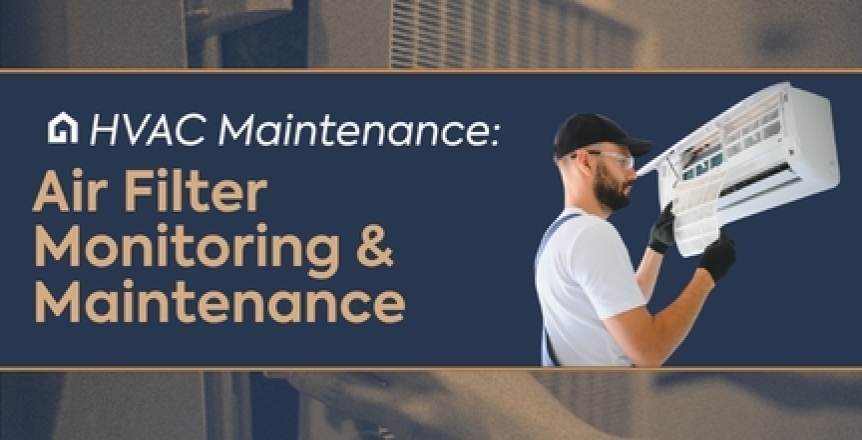
Air filters do more than cleanse the air: they also maintain the health of your HVAC system. Removing particulate matter from the air circulating in your space prolongs the efficiency of your system and prevents damage from buildup over time. To put it simply, air filters are integral for surviving allergy season in comfort for both you and your HVAC system. Luckily, air filters come in a range of different sizes and strengths to suit a wide variety of systems.
What to Know About Air Filters
- Some older HVAC systems cannot handle modern filters as they lack the power to pull through thicker pleated filters, so be mindful of the age of your heat pump or AC
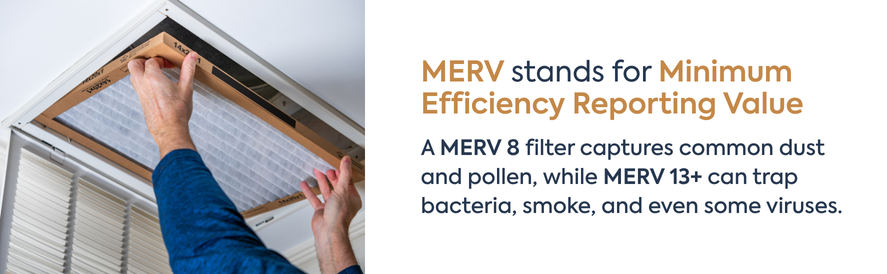
- The MERV rating of your heating and cooling system’s air filter will tell you what grade of particle it can effectively sift out, so be sure you choose one that can handle your needs
- You need to pick a filter that matches the dimensions specified in your owner’s manual. If you don’t have access to the owner’s manual, use the existing filter for size reference or contact an HVAC professional if you’re still unsure
- Air filters need to be changed regularly. The EPA recommends changing filters every 60-90 days, though this will depend on several factors such as the number of occupants of the home, pets, region, and more. As a general rule of thumb, if your filter looks filthy when you change it, you might need to replace it more frequently. Check your owner’s manual for the specific filtration expectations of your unit
Understanding MERV Ratings
MERV ratings may look complicated, but the logic behind them is relatively simple. As explained by the Environmental Protection Agency, MERV ratings describe the capacity for a filter to remove particles ranging from 0.3 to 10 microns from the air. Allergens and particulate matter are usually measured in microns, due to how small they are. For reference, here are the sizes of common allergens and pollutants you'd find in your home:
- Pollen: 10-100 microns
- Mold Spores: 8-80 microns
- Coarse Particles & Household Dust (coal dust, roadside particles, etc.): 1-100 microns
- Incense: 0.06-2 microns
- Bacteria: 0.5-10 microns
- Dust Mites: 0.2-25 microns
- Pet Dander: 0.1-25 microns
- Candle Smoke: 0.1-0.8 microns
- Tobacco Smoke: 0.01-1 micron
- Woodsmoke: 0.006-10 microns
- Viruses: 0.005-0.3 microns
With that in mind, not all MERV filters are made the same. Generally speaking, the higher the number, the more the filter is able to filter out of the air. The table below explains how much each MERV rating is capable of filtering out of the air.
|
MERV Rating |
Particle Size in Microns |
||
|
3.0-10.0 microns |
1.0-3.0 microns |
0.30-1.0 microns |
|
|
1-4 |
> 20% |
/ |
/ |
|
5 |
≥ 20% |
/ |
/ |
|
6 |
≥ 35% |
/ |
/ |
|
7 |
≥ 50% |
/ |
/ |
|
8 |
≥ 70% |
≥ 20% |
/ |
|
9 |
≥ 75% |
≥ 35% |
/ |
|
10 |
≥ 80% |
≥ 50% |
/ |
|
11 |
≥ 85% |
≥ 65% |
≥ 20% |
|
12 |
≥ 90% |
≥ 80% |
≥ 35% |
|
13 |
≥ 90% |
≥ 85% |
≥ 50% |
|
14 |
≥ 95% |
≥ 90% |
≥ 75% |
|
15 |
≥ 95% |
≥ 90% |
≥ 85% |
|
16 |
≥ 95% |
≥ 95% |
≥ 95% |
Air Purifiers
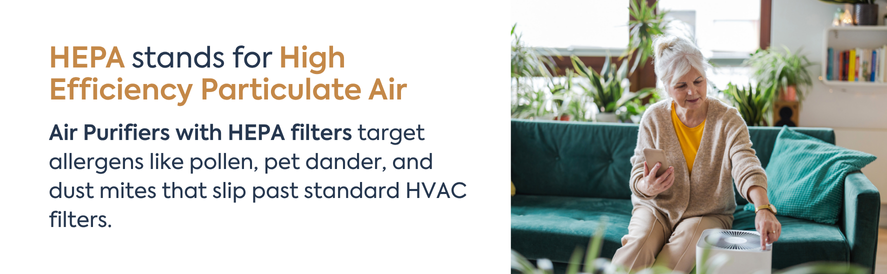
From easing the workload on your HVAC system to accommodating open windows and cross breezes, air purifiers are a great way to eliminate common allergens within your home. More often than not, air purifiers are a standalone solution to air filtration that run separate from your main heating and cooling system. If allergies or asthma make you sensitive to particulate matter like dust or pollen, an air purifier with a HEPA filter would be a great addition to your home, especially if you have lower MERV-rated HVAC filters.
What is a HEPA Filter?
A HEPA, or high-efficiency particulate arresting, filter is a certifiable rating given to air filtration that meets specific efficiency requirements to remove almost 100% of particulate matter from the air that is 0.3 microns or larger. Air purifiers that do not use a true HEPA filter may not get rid of ultra-fine irritants like dust mites, pet dander, mold, and more, meaning your investment will yield little to no results. For reliable filtration, always check for HEPA certification.
Dehumidifiers
Does anyone in your household deal with medical conditions like allergies or asthma? If so, adding a dehumidifier to their bedroom or any shared rooms they frequent could minimize their symptoms. Dehumidifiers are a great tool to reduce symptoms from dust mites and fungi by removing excess moisture from the air, effectively preventing allergens from setting up shop in your home. Similar to air purifiers, dehumidifiers are most commonly separate devices that do not require compatibility with your HVAC system. Drying out the air in your home reduces the spread and growth of common allergens such as mold and mildew, both of which thrive in humid conditions. Removing moisture from the air also makes it lighter, meaning those with respiratory issues can breathe easier.
Want to know more? Check out our expert resources on improving your indoor air quality.
Frequently Asked Questions About Fall Allergy Season
How do I reduce allergens with my HVAC?
Using an adequate air filter in your HVAC system will reduce allergens inside your home. The higher the MERV rating, the more it filters out, so make sure you get a filter that is sufficient at removing allergens from the air.
What MERV filter is best for allergies?
The minimum MERV rating you should have is 8, but that will only help you with mild allergens. For finer allergens like pet dander, dust mites, or wildfire smoke, you'll need between a MERV 11 and MERV 13 filter. Make sure that your HVAC system can handle a high MERV filter though. Older models aren't strong enough to handle these finer filters.
Does my AC help with allergies?
AC can help with your allergies if you have an air filter equipped. Having a lower quality air filter is better than having no air filter [we cannot recommend running your AC without a filter. That's bad for your system!], but if you specifically want to reduce indoor allergens, you'll need a higher rated MERV filter.
How often should I change filters during allergy season?
If you suffer from allergies, have pets in the home, or live in an area with significant outdoor air pollutants, changing your air filter often is best. The best way to determine whether you need to change your air filter is to do a visual check once per month. When it looks too dirty, change it.
Is Your Home Ready for Autumn?
Whether you’re changing from heating in winter to cooling in summer, or simply needing to prepare your space for allergy-heavy spring or autumn, taking the necessary steps to optimize your home air quality is integral. If you’re unsure what the best air filtration combination is for your home, our customer service specialists are ready and willing to help you find the perfect fit for your needs. IWAE is never more than a call or chat away from getting you the customized solution that takes into account your HVAC system, region, and unique set of circumstances so that you can breathe easy, even when the air outside makes that task feel infinitely more difficult.