
Key Points
- Indoor air quality (IAQ) indicates how clean the air is in your home. Pollen, dust, and other pollutants decrease your home’s IAQ.
- Getting an air purifier, keeping your home clean without harsh cleaners, ensuring proper ventilation, and maintaining humidity levels between 30% and 50% improves IAQ.
- HEPA filters, activated carbon filters, and UV light purifiers remove different particles from the air.
After a long day at work, all you want to do is head home and relax. But do you ever get home and feel like it's hard to breathe? Whether it's allergy season or a random Tuesday where the air feels heavy, poor air quality can really impact your health and comfort.
If you don’t know how to clean the air in your home, keep reading. This guide on indoor air purification will help you transform your home's air, giving you fresh, clean breathing space. Air purification is about more than opening a window — it means addressing the root causes of air pollution inside and outside of your home. Let's dive in and clear the air.
What Is Indoor Air Quality?
Indoor air quality (IAQ) measures how clean and healthy your home's air is. You may not see visible particles in the air, but it's often full of pollutants like dust, pollen, pet dander, and mold spores. Breathing in too many pollutants regularly can affect your respiratory health. For some people, symptoms might amount to little more than allergy symptoms, but others might experience more serious problems. When the IAQ gets bad, you could see issues like:
- Headaches
- Dizziness
- Fatigue
- Eye, nose, and throat irritation
- Asthma symptoms
Long-term exposure isn’t just uncomfortable: it can be detrimental to your health. If you're dealing with severe enough pollutants and exposure, you could face health conditions like heart disease, cancer, and severe respiratory issues. Improving your IAQ creates a healthier home and protects you from long-term issues.
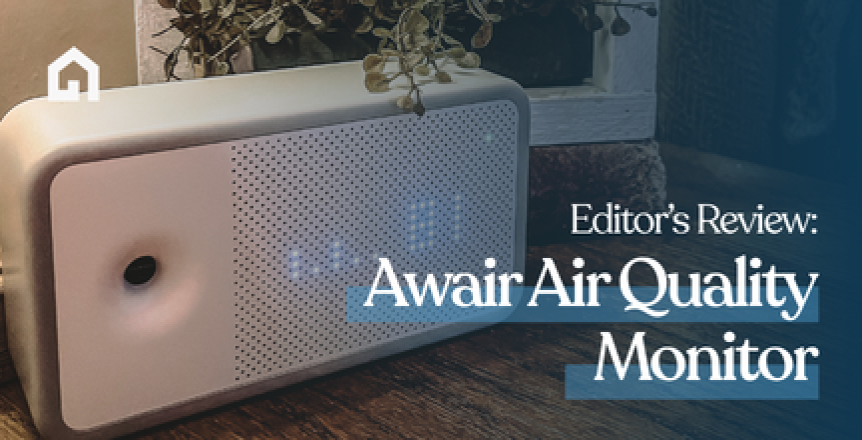
Pro Tip: Don’t know if you’ve got good indoor air quality? Invest in an air monitor like the AWAIR Air Quality Monitor.
Whole Home Vs. Standalone Air Purification
Before we get into how you can improve your indoor air quality, let’s discuss the two main ways you’ll accomplish this. Some people opt for whole home purification options, while others utilize standalone air purifiers that will spot clean certain rooms.
Whole home air purification systems are generally made to work in tandem with your home HVAC system and are usually installed directly into your ventilation system. Portable air purifiers, on the other hand, are set in specific rooms. They must be plugged in and positioned when you want to use them.
Whole home air purification can be quite cost effective. Many models don’t require you to replace the internal filters. Instead, you can simply clean them with a vacuum or other manufacturer approved methods. They can also help reduce strain on your HVAC system, which aids both energy-efficiency and your energy bills. Furthermore, as whole home purification systems are inserted into your ventilation system, they’re practically invisible, taking up little to no extra space in your home. Compared to portable air purifiers that you need to set in a room, plug in, and turn on, whole home systems are also less disruptive. However, you may not need a whole home system. These systems are significantly more expensive than portable air purifiers, so you need to consider whether the cost is going to be justified. If you only want to keep the air in your child’s room clean, a portable air cleaner will do just fine. Installation of whole home systems is also much more complicated than the plug and play format of a portable air cleaner.
How Can You Improve Indoor Air Quality?
You need to improve your IAQ, but what's the best way to attack all those invisible pollutants in your air? Achieving a better IAQ means adopting a comprehensive strategy to tackle invisible pollutants. Let's break down some effective methods for enhancing your indoor air quality.
Air Filters
Your first barrier of defense will be a quality air filter, which you will need to use in your current AC system. However, there are several types of air filters you can choose from, such as MERV filters and HEPA filters.
MERV Filters
If you run a split system, you will need to fit an air filter either into the air handler, a return vent, or in a cabinet that connects directly to your ductwork. The quality of household HVAC air filters can be judged by their MERV rating. MERV ratings demonstrate how finely a filter can remove particulate matter from the air. As a rule of thumb, higher MERV ratings filter out finer particles. While MERV ratings range from 1 to 16, most experts recommend that homeowners use a minimum rating of 11 in their homes. This will cover most allergens like mold, pollen, and pet dander without putting too much strain on your HVAC system. For homeowners with more severe allergies or health issues that require more attention to indoor air quality, 13 MERV filters will generally suffice. If you’re curious about how well MERV rated filters work, check out the table below:
|
MERV Rating |
Particle Size in Microns |
||
|
3.0-10.0 microns |
1.0-3.0 microns |
0.30-1.0 microns |
|
|
1-4 |
> 20% |
/ |
/ |
|
5 |
≥ 20% |
/ |
/ |
|
6 |
≥ 35% |
/ |
/ |
|
7 |
≥ 50% |
/ |
/ |
|
8 |
≥ 70% |
≥ 20% |
/ |
|
9 |
≥ 75% |
≥ 35% |
/ |
|
10 |
≥ 80% |
≥ 50% |
/ |
|
11 |
≥ 85% |
≥ 65% |
≥ 20% |
|
12 |
≥ 90% |
≥ 80% |
≥ 35% |
|
13 |
≥ 90% |
≥ 85% |
≥ 50% |
|
14 |
≥ 95% |
≥ 90% |
≥ 75% |
|
15 |
≥ 95% |
≥ 90% |
≥ 85% |
|
16 |
≥ 95% |
≥ 95% |
≥ 95% |
HEPA Filters
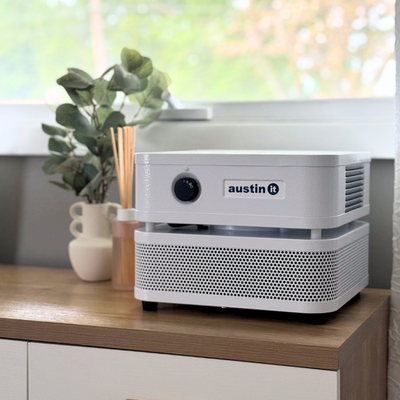
If you’re using an air purifier or air cleaner, or if you work in clinical settings, you’ll use a HEPA filter instead of a typical air filter that you’d use in a home ventilation system. Short for “high efficiency particulate air filter,” a HEPA filter provides a much finer filter for your indoor air. Whereas only the best MERV filters filter particles down to .30 microns, HEPA filters capture these particles as a standard. According to the EPA, HEPA filters can capture airborne particles .30 microns or higher at a 99.97% rate. This makes HEPA filtration highly effective in settings that demand good air quality, such as baby rooms, clinical settings, or rooms frequented by people with chronic health issues.
Air Purifiers
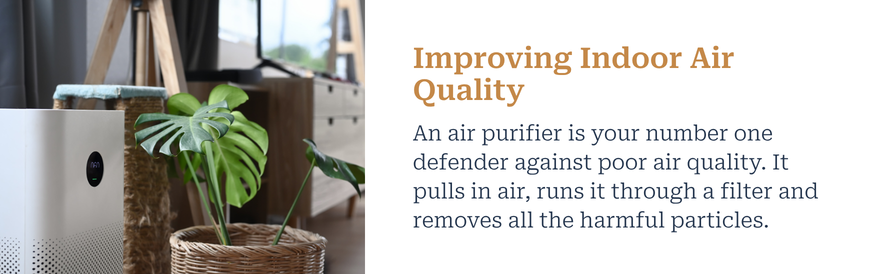
An air purifier is your number one defender against poor air quality. Air purifiers work by pulling in air, running it through a filter, and removing all the harmful particles. Then, it releases clean air back into your home. You can choose from different models and ratings, targeting the pollutants you're most concerned with. Air purifiers work hard to deliver cleaner air to your home.
Use an air purifier for asthma and allergies. Particles in the air, like pollen and dander, can trigger sneezing, congestion, and asthma flare-ups. Investing in a HEPA filter with activated carbon is an especially effective strategy for creating an allergen-free environment.
Not all air purifiers rely solely on woven air filters. Some rely on UV-C technology to destroy bacteria and viruses that might be circulating through your air. When used in conjunction with HEPA filtration, UV air purifiers can be especially effective at removing illness-causing bacteria from the air; however, there is still debate about whether or not UV air purifiers provide more benefit than harm. They can emit ozone, which the EPA recommends against. They are also incapable of capturing VOCs (volatile organic compounds).
If your biggest concern is gases, odors, and VOCs, you should instead look into activated carbon filters.
Regular Cleaning and Maintenance
Your home may be your sanctuary, but it's also a magnet for dust, dander, and pollutants. Regular cleaning and maintenance are necessary to keep your home a particulate-free zone.
Ever looked at a shelf you haven't touched in a while? You'll probably see a thin layer of dust. Dust and dander love to settle in nooks and crannies while also floating around in the air constantly. As you go about your day, skin cells, hair, small bugs, and pet debris travel through the air. It might hang out on shelves, fall onto the carpet, or move throughout the space. As particles build up, they can increase your respiratory irritation.
If you want to improve your IAQ, vacuum and dust regularly. The more you pick up dust, the fewer allergens you'll have in your home. Use these tips to keep your home allergen-free:
- Vacuum Regularly: Use a vacuum with a HEPA filter to trap fine particles.
- Wash Bedding: Your bedding and curtains attract buildup and dust mites. Wash them in hot water to kill tiny, irritating organisms.
- Clean Air Vents: Use dusters or a damp cloth to clean your air vents. Change your filters whenever they're full.
- Change Air Filters: All air filters require maintenance. A good filter will capture air pollutants, but buildup of those pollutants will cause the filters to become clogged. In turn, this forces your air system to work harder to push air through the filter, which can increase energy bills and put unnecessary strain on your system. Make sure to check your filters regularly. Change them if you use a disposable filter. If you use a reusable filter, make sure to clean and dry it according to the manufacturer instructions.
Ventilation
Ventilation is more important than you might think. Keeping your windows closed all the time allows pollutants to build up. Good airflow carries them out of the house, reducing irritation. Bringing in outdoor air dilutes these pollutants, making your IAQ higher. As a bonus, you'll get fresher, better-smelling air with a little open window time. You can elevate your ventilation game by:
- Opening windows and doors to circulate fresh air.
- Turning on exhaust fans in your kitchen and bathrooms to clear out odors.
- Investing in energy-efficient ventilation systems for continuous airflow.
Humidity Control
Humidity is another major player in the IAQ field. While moisture isn't usually an indoor issue, too much indoor humidity can create issues. High humidity creates the perfect environment for mold and dust mite growth. When these thrive, they can cause allergic reactions and respiratory issues. Conversely, low humidity can dry out your respiratory passages, causing nosebleeds. Keep humidity levels between 30% and 50% to prevent humidity-related problems.
You can control your home's humidity with humidifiers and dehumidifiers. Whole-home humidifiers let you maintain comfortable humidity levels, even during dry winter. Use dehumidifiers in damp areas like basements and bathrooms to prevent mold.
Avoid Pollutants
What if you do the above and you're still having IAQ problems? If you're still wondering how to improve indoor air quality, you might be using pollutants inside your home. The products you use inside can give off pollutants, impacting your IAQ. Think there’s no way that you’re contributing to your poor indoor air quality? See if you use any of the following common household items that pollute the air:
- Aerosol sprays like air fresheners
- Spray cleaners like window spray or table top cleaners
- Bleach
- Disinfectant wipes
- Candles and incense
- Hair spray
- Pesticides and insecticides
Limit your use of harsh chemical cleaners, which can release VOCs. Try to use natural — but still disinfecting — cleaners where possible. The fewer VOCs you release, the better your air. Smoke can also affect IAQ. Avoid burning candles or smoking inside frequently. Even the best-smelling candle will still put particulates into the air.
Also, if you're working with furniture stains, paints, or finishes, always use a mask and choose low-VOC options to reduce emissions and keep your home air healthier.
You might also be confronted with outdoor air pollutants. For example, you may encounter declining air quality during wildfire season. Luckily, air filters and other air purification methods can effectively filter out wildfire smoke!
Frequently Asked Questions About Air Purification
What are the best air purification options?
At the most basic level, everyone should use an air filter with their heating and cooling systems.This provides foundational air purification. If you need more help cleaning the air beyond that, buying a standalone HEPA air purifier or air cleaner will help considerably. Opening the window and avoiding common household pollutants goes a long way, too.
Do whole-house air purifiers work?
Whole-home air purifiers work incredibly well! They typically use HEPA filtration, making them especially effective and removing small particulate matter from the air. Granted, they can’t always filter out certain pollutants like carbon monoxide, ozone, radon, and volatile organic compounds (VOCs), so you might consider additional filtration if these are problems in your home.
What is a MERV rating?
A MERV rating tells you how well an air filter can pull particulate matter from the air. The higher the number, the more finely it cleans the air.
Do I need a UV air purifier?
While some research shows that UV air purifiers can remove illness-causing bacteria from the air, the EPA recommends against using one. UV air purifiers are known to emit ozone into the air, which can exacerbate respiratory problems rather than solve them. Instead, you will find more benefit in HEPA filtration, with additional activated carbon filters providing protection from dangerous gases and VOCs.
Take Control of Your Home's Air Quality
Improving IAQ is more than just a luxury — it's necessary for protecting your health. Cleaner air reduces allergies, improves health, and makes your home better.
Take the next step in home comfort and health with IWAE. We're your trusted name in home comfort solutions. We have all the indoor air quality supplies you need to breathe clean. With our Price Match Guarantee, you'll always get the best deal on top-rated air purifiers. Plus, our Ingram's Touch Guarantee ensures peace of mind with every purchase. Don't just take our word for it — our award-winning service and customer-first approach speak for themselves.
Browse our indoor air quality products today!