
Key Points
- Poor indoor air quality negatively impacts everyone, although people with allergies, preexisting conditions, or those who live in areas with poor outdoor air quality are more at risk.
- Outdoor risk factors impact IAQ. Emissions from vehicles and power plants, smoke from wildfires, and other region-specific influences can enter your home through gaps, open doors, and windows.
- Symptoms of poor IAQ include cold and flu-like symptoms, chest tightness, headaches, and more. If left unaddressed, these warning signs can lead to long-term health conditions and diseases.
- Keeping up with your HVAC’s air filter is crucial for eliminating contaminants from your home. Additional filtration via air purifiers and cleaners is suggested for more substantial allergen removal.
Spring is in full swing, but the blooming flowers are a mixed bag. The floral aroma that many of us associate with the joy of smelling the roses is the warning sign of incoming allergies and health problems for others. Apart from picking the plants and flora that fill your yard or decorate your balcony, nature isn’t within our control. Try as we might, we can’t conquer nature, but that doesn’t mean you can’t protect the inside of your home from environmental irritants. For those of us who know springtime as the harbinger of illness, it’s crucial to give yourself the protection you need to combat pollen and allergies. Your IAQ (Indoor Air Quality) affects your health every single day. Why would you choose to suffer when IWAE gives you access to all the indoor air quality products you need to breathe easy?
How Does Air Quality Affect My Health?
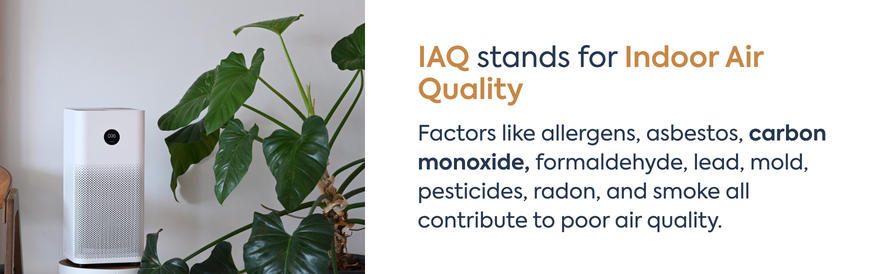
Limitless factors influence the air quality in your home and the surrounding area. The NIEHS (National Institute of Environmental Health Sciences) explains how indoor air quality affects our health, as well as the many types of contaminants that play a role. Factors like allergens, asbestos, carbon monoxide, formaldehyde, lead, mold, pesticides, radon, and smoke all contribute to poor air quality, leading to health complications for everyone exposed. The longer you’re exposed to these risk factors, the more likely you are to form an associated health issue. Even someone who is otherwise in perfect health will struggle when left at the mercy of poor air quality.
What Demographics Are Most At Risk?
Poor air quality affects everyone, but that doesn’t mean we’re all at the same level of risk when subjected to the VOCs (volatile organic compounds) and other unwanted contaminants. Many groups are more likely to suffer negative health consequences from inadequate air filtration, including:
- Young children and older adults
- Individuals who are pregnant or nursing
- Individuals who are immunocompromised
- Individuals who suffer from seasonal or specific household allergies
- Individuals with lung conditions, such as asthma and COPD (Chronic Obstructive Pulmonary Disease)
- Individuals who live in areas near pollution sources that cause poor air quality
Does Outdoor Air Quality Affect My Indoor Air Quality?
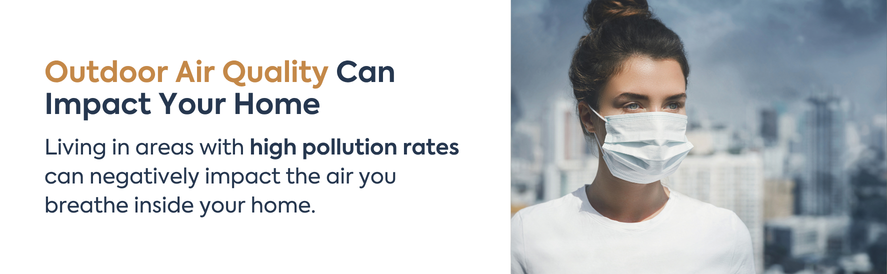
The short answer to this question is yes, outdoor air quality affects your indoor air quality. Anytime you have the windows open, you’re letting in airborne particles from outside. Opening your door when you’re leaving or returning home lets in some unwanted contaminants. You can’t fully remove the influence of the outdoors within your home, but that doesn’t mean you’re stuck with the full weight of its impact. Pollutants vary by region, with some only dealing with standard allergens like pollen and dander, while others let in more worrisome irritants, including smoke and harmful chemicals. If you live in a region close to any commercial operations, industrial equipment, power plants, or data centers, the quality of the air in your area is likely to be negatively impacted. Urban environments often suffer from smog and other adverse air quality effects due to factors like the fossil fuel emissions from vehicles and HVAC equipment. Even climate change and emergency situations like natural disasters can negatively impact the air quality outside. Wildfires are known for making the air harmful and difficult to breathe, but flooding and hurricanes, as well as their cleanup, also tank outdoor air quality.
Symptoms of Poor Air Quality
Are you curious what types of symptoms are indicators that your air quality needs a little TLC? If you or your family deal with any of the following, it could be time to level up your indoor air quality:
- Cold or flu-like symptoms (coughing, wheezing, sneezing, runny nose, and itchy eyes)
- Chest tightness
- Headaches
- Fatigue, exhaustion, lethargy
- Skin irritation, itching, rashes
- Aggravation of existing health conditions, especially asthma, COPD, and heart disease
Don’t leave your family’s health up to chance if you find any risk factors affecting your indoor environment. Not only are there short-term symptoms that leave you miserable within your home, but these issues can lead to long-term health problems if left unchecked. This is especially true for young children who are exposed to these harmful conditions during the core of their early development. These health issues include:
- Respiratory diseases
- Cardiovascular diseases
- Cognitive impairments and issues with cognitive function
- Cancer
How to Improve Indoor Air Quality
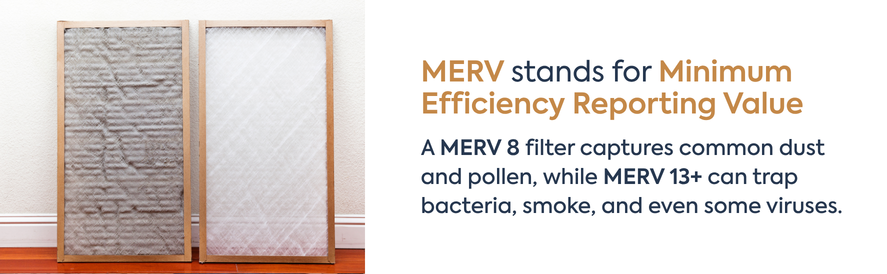
Improving the air quality in your home doesn’t mean uprooting any of the core HVAC equipment or lifestyle choices you’ve lived with up to now! Air filter monitoring and maintenance in your air handler or furnace is step number one for keeping your air clean and breathable. Be sure to choose a MERV rating that suits your specific air filtration needs when shopping for a new air filter, but keep in mind that older systems may not have the strength to work with thick, pleated filters. Always check with your owner’s manual to ensure you choose the right size and type of filter for your system. If your system is too old to effectively keep your air quality high enough, it’s time to pull the trigger on a heating and air conditioning system upgrade.
But what about renters or anyone else who can’t control what HVAC system is installed? Solutions like air cleaners and air purifiers are a great way to upgrade your air quality without relying solely on the space’s main climate control equipment.
Austin Air Purifiers
If you haven’t heard of the powerful air filtration technology in Austin Air air purifiers, rest assured that the performance is second to none. Austin Air filters provide medical-grade HEPA protection that lasts a full five years before requiring a replacement. Having passed clinical testing, Austin Air air purifiers provide the quality of life improvement possible for those with asthma, COPD, and other chronic breathing conditions. Giving you results that are backed by studies from Johns Hopkins, UConn School of Medicine, and the Cincinnati Children’s Hospital, Austin Air is a company that upholds the gold standard of air filtration on par with EPA recommendations, maintaining a high indoor air quality in any indoor space.
AWAIR Indoor Air Quality Monitor
Keeping tabs on your indoor air quality is crucial for those who suffer from respiratory illnesses. The Trane Awair Element Smart Air Quality Monitor is an elegantly simple solution to know at a glance the quality of the air in your home at any point in time. Information like the temperature and humidity is displayed alongside crucial air quality indicators, including carbon dioxide, fine dust, and TVOCs (toxic volatile organic compounds). In our Editor’s Review of the AWAIR Air Monitor, we break down the pros and cons of integrating one of these monitors in your home (spoiler alert: the “cons” were really just additional functionality we’d like to see in the future).
Breathe Easy This Spring With IWAE
Your home should be your sanctuary from harsh outdoor weather and dangerous conditions. Whether you deal with illnesses that are exacerbated by bad air quality or you simply want to make each breath crisp and clean, optimizing your IAQ is a worthwhile investment for anyone. Poor air quality can only lead to trouble or worse, especially when you’re dealing with harmful chemicals and contaminants over a long period. IWAE has the tools you need to make the most of your indoor environment, so don’t leave yourself or your loved ones at risk. Reach out to our team today and find the right solution to keep your home comfortable and safe in every season.