

Key Points
- Factors that influence the installation of a geothermal heat pump system include local ordinances, the available ground space, the soil in your region, and access to clean water.
- Underground obstacles such as water mains, pipes, wires, plantlife, and more can all add to the installation price.
- Check if your homeowner’s insurance policy covers a geothermal heat pump system. If not, update your coverage.
Do you want to install a geothermal heat pump in your home? Going geothermal is a great investment in energy efficiency and environmentally friendly home heating, but it’s not trivial. Installation can be a significant undertaking. Before you can take advantage of high efficiency savings, there is a lot of planning that needs to be done and many different variables to consider. Fortunately for you, we've done a lot of thinking and research on geothermal heat pumps. Use IWAE’s geothermal installation checklist to make the process as pain-free as possible.

1. Local Ordinances
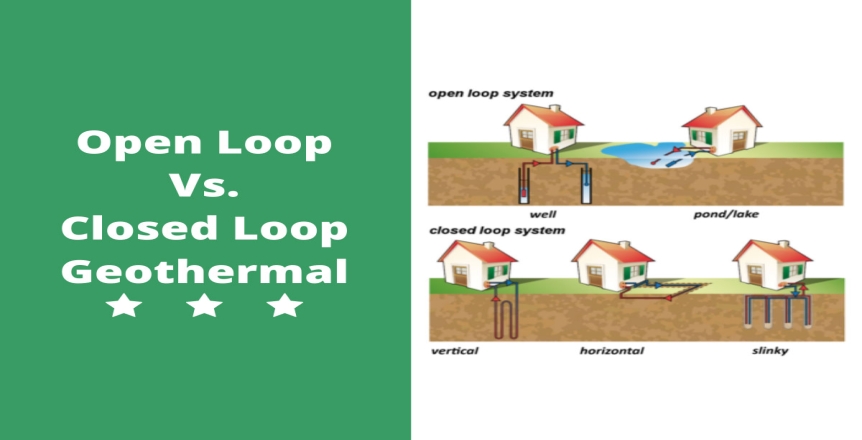
Contact your local municipal or county government and find out if there are any restrictions on geothermal heat pump open-loop installations. In many cases, an open loop can cut your installation costs and save you more money over time. Open-loop geothermal heat pumps are cost-effective and energy-efficient, but many municipalities have strict ordinances that prevent installing them. Make sure to check whether your locality is for or against open-loop installations.
2. Soil & Water
Learn about your local geology and water chemistry before taking the plunge on geothermal heating. Regional soil composition will play a role in how efficiently your geothermal heat pump functions, and water chemistry will play a part in deciding whether you're going to use an open or closed loop system.
3. Ground Space
If you're using a common closed-loop ground network, measure your yard to make sure you have enough room for a horizontal installation. Horizontal is frequently the best bet for most lots, but some aren't big enough. A smaller lot will need a vertical installation, and that's something you must know before you start digging. Regardless of the orientation, using high-density geothermal loop piping products is the industry standard for ensuring a leak-free, long-lasting underground network.
4. Homeowner's Insurance
Contact your insurance agent to ensure your current homeowner's policy covers a geothermal heat pump. If it doesn't, you need to get that fixed. Even if it already does, informing your insurance company of a new system is never a bad idea.
5. Underground Obstacles
Do you know the "Call Before You Dig" phone number? If you don’t, the “Call Before You Dig” number is 811, and it will connect you with a call center that will arrange for utility companies to mark any known utilities in your yard. It’s always better to be safe and make this call so that you don’t wind up with a broken water line.
6. Buy a Geothermal Heat Pump from IWAE
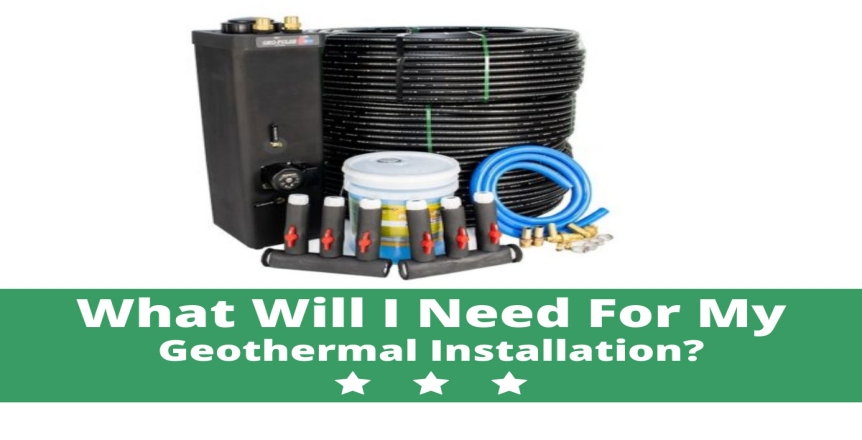
Once your geothermal installation prep is done, all you need to do is buy a geothermal unit, get it installed, and then prepare an armchair so you can kick back and enjoy the savings. To make it even easier, check out our geothermal installation kits.