
Key Points
- R-454B refrigerant is a blend of R-32 and R-1234yf refigerants, and was developed to have a smaller environmental impact as a replacement for R-410A refrigerant.
- R-454B refrigerant has an ODP (ozone depletion potential) of zero and a GWP (Global Warming Potential) of 466, less than a quarter the rating of R-410A.
- Beyond sustainability, R-454B offers better energy efficiency and safety. R-454B is classified as an A2L substance and has low toxicity levels.
A heating, ventilation, and air conditioning (HVAC) system is the backbone of building comfort. But what keeps an HVAC system effective? The answer is refrigerant.
Refrigerant is the compound that runs through the system, absorbing and releasing heat. Without refrigerant, homes, offices, and other spaces would be hot in the summer and cold in the winter. All refrigerants serve this basic function (i.e., heat transfer), but not all refrigerants are created equal. The earliest refrigerants accomplished the job but lacked high efficiency standards while being harmful to the environment. As the technology has evolved, refrigerants have become more efficient and clean, leaving older models outdated. As tech evolves, refrigerants become outdated and even harmful to the environment. One of the newest refrigerants, R-454B, offers a more sustainable, more efficient solution for your HVAC needs. Keep reading to learn how R-454B works and how you can upgrade today.
What Is R-454B?
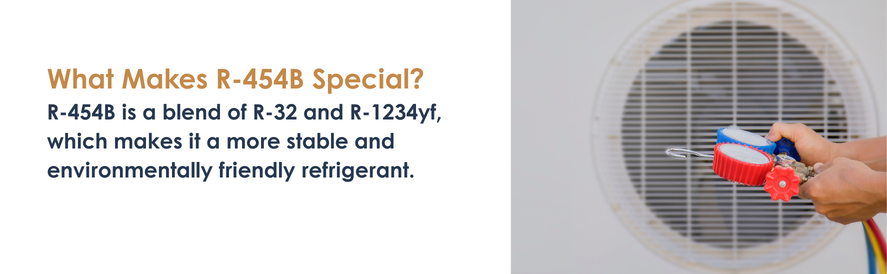
R-454B is a next-generation refrigerant blend currently favored by the HVAC industry. R-454B combines R-32 and R-1234yf, making it a hydrofluoroolefin (HFO) blend. R-454B was developed as a low-flammability, lower environmental impact refrigerant. The hope is to replace older refrigerants with this newer option, making HVAC systems eco-friendly and safer.
What Are Some R-454B Refrigerant Properties?
What exactly makes R-454B so unique? Its physical and environmental properties make it a desirable refrigerant for HVAC systems. Let's take a look at how these properties compare to other refrigerants:
- Physical properties: R-454B boils at -50.9 degrees Celsius and has a critical temperature of around 77 degrees Celsius. This wide range makes it great for HVAC uses. Additionally, it has pressure levels and thermodynamic characteristics similar to those of R-410A. These properties mean R-454B is a great replacement for R-410A without requiring major system changes.
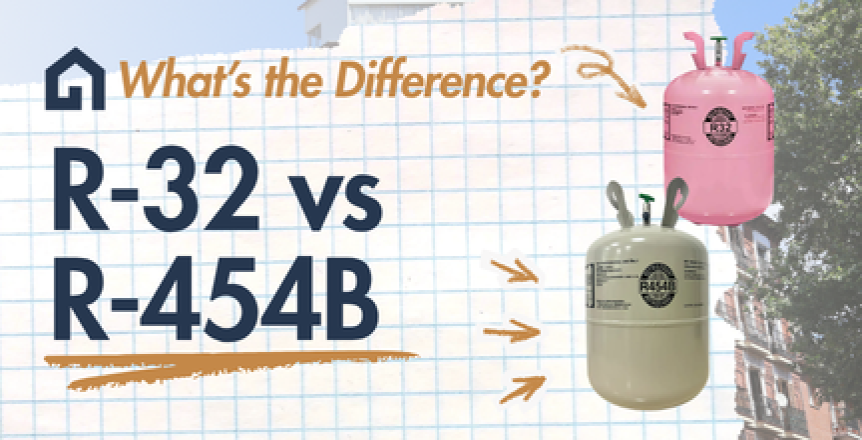
- Global Warming Potential (GWP): R-454B has a low GWP of 466, lower than both R-410A (1,890 to 2,100) and R-32 (675). Regulations may continue to tighten on higher GWP refrigerants. Working to use lower GWP options keeps you ahead of these regulations.
- Ozone Depletion Potential (ODP): R-454B has an ODP of zero. This figure means it doesn't contribute to ozone layer damage.
What Are the Applications of R-454B?
R-454B is designed as a direct R-410A replacement, so you can use it for a wide range of AC and heat pump applications. It's easy to integrate into systems that use R-410A with minimal modifications. The transition process is extremely simple for technicians and manufacturers.
Residential HVAC systems can use R-454B in heat pumps, packaged units, and split systems. For commercial buildings, R-454B works great in large-scale HVAC systems. Specifically, commercial building owners can benefit from the reduced GWP R-454B offers when meeting environmental compliance is a concern.
What Are the Advantages of R-454B?
R-454B offers several excellent advantages for HVAC systems. If you want to maximize sustainability, efficiency, and safety, R-454B is a great option. Here are some of the benefits of this refrigerant:
- Environmental: R-454B's extremely low GWP stands out among modern refrigerants. Switching to R-454B can reduce an HVAC system's carbon footprint.
- Energy efficiency: R-454B performs similarly to R-410A, meaning R-454B is highly energy-efficient and can contribute to lower energy costs.
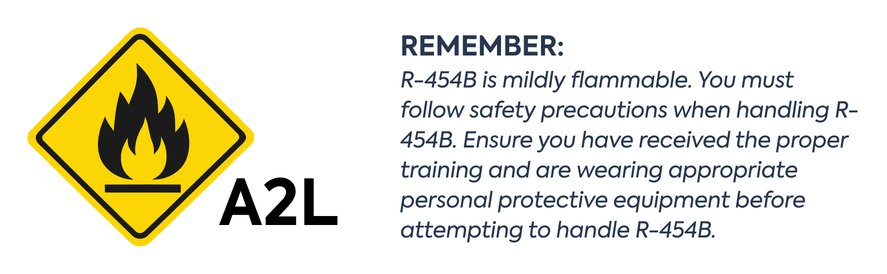
- Safety features: R-454B also stands out in safety. R-454B is classified as an A2L flammable. It's a lower flammability refrigerant, especially compared to R-32. Additionally, R-454B has low toxicity levels, making it an extremely safe refrigerant option for your HVAC.
What Are the Refrigerant Regulations?
The ozone layer protects the Earth's surface from ultraviolet radiation and ensures environmental stability. Refrigerant was found to potentially contribute to ozone depletion and global warming. As a result, refrigerants are subject to several sustainability regulations. R-454B follows the guidelines laid out in these regulations:
- Montreal Protocol: This 1987 treaty worked to phase out ozone-depleting substances, and so experts developed zero ODP refrigerants like R-410A. However, these alternatives came with a cost: high GWP.
- Kigali Amendment: The Kigali Amendment addressed the issue of high GWP substances. Even high-efficiency refrigerants like R-410A can harm the environment, due to their higher GWP. In response to this issue, the Kigali Amendment lays out a plan to phase down hydrofluorocarbons (HFCs). The result is refrigerants like R-454B that bear no ODP and low GWP.
- The AIM Act: The American Innovation and Manufacturing (AIM) Act enforces the HFC phase-downs developed in the Kigali Amendment. The United States HVAC industry is now moving toward environmentally friendly alternatives like R-454B in accordance with this act.
What Are Some R-454B Challenges and Considerations?
While R-454B offers significant environmental benefits, every change has challenges. As manufacturers switch to R-454B and other alternative refrigerants, they must consider the following:
- Design changes: Transitioning to R-454B means dealing with system design modifications. Manufacturers will need to design or retrofit systems to handle R-454B, which can lead to a more complex and expensive transition period.
- Training: Technicians will need updated training on the risks and techniques for handling R-454N, especially as it is mildly flammable. Contractors and technicians might need additional certifications or training support during the transition to ensure safe installation.
- Market availability: Although legislative pushes are making R-454B more popular, it's still a new refrigerant, and supply chain constraints create challenges. You might see some shortages as the industry works to produce enough R-454B to meet demand. This availability might also make R-454B more expensive as demand drives up. As adoption increases, these changes will stabilize.
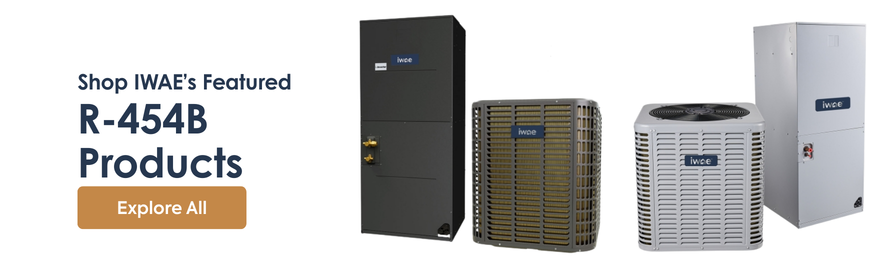
R-454B HVAC Systems
Upgrade to R-454B Today With IWAE
At IWAE, we've spent over 30 years delivering top-quality HVAC equipment to customers. We're not just another online HVAC retailer — we're a company that values your trust and satisfaction. Our Ingrams Touch Guarantee ensures you can choose the right heating and cooling system without breaking the bank. You'll find the perfect fit with our wide selection of HVAC systems. Shop with IWAE for competitive prices, expert advice, and free lifetime support. Plus, we back our prices with a price match guarantee, ensuring you get the best deal without compromising on quality. If you're interested in making the switch to HVAC system components with more sustainable parts, our selection has what you need. Explore our HVAC options today and experience the difference we can make!