
Key Points
- Mobile homes are built off-site, meaning they are completed and then transported to the installation site.
- Mobile homeowners choose manufacturer-determined layouts. Structures such as utility closets, ductwork, and crawl spaces use standardized dimensions.
- HVAC systems for mobile homes suffer from higher static pressure and limited space, and must always comply with HUD regulations and other local ordinances.
Think back on the first time you moved out of your childhood home: what memory sticks out to you the most? Maybe it’s the song that played on the radio as you drove the U-Haul, or the frustration of getting the sofa stuck in the stairwell halfway through the move. Being young and ready to strike out on your own often comes at the cost of a small apartment and too many roommates. This may have been a temporary solution at first, but today’s housing market has left many of us hunkered down in rental properties waiting for prices to drop. Luckily, there’s another option worth looking into that falls between traditional housing and renting: mobile homes.
Manufactured housing, or mobile homes, offer a way to own your living space without the steep up-front costs of traditional houses. Still, differences in building regulations, construction, and HVAC hardware can leave the transition a bit overwhelming, but don’t let that deter you! IWAE is here to help you understand why mobile homes have different requirements and what they mean for your heating and cooling system.
Mobile Homes are Built Different
The mobile home structure requires distinct HVAC needs that traditional units can’t meet. Mobile home heating and cooling units are built to compensate for these differences. Wondering why these variations exist? Let’s break it down.
Off-Site Construction
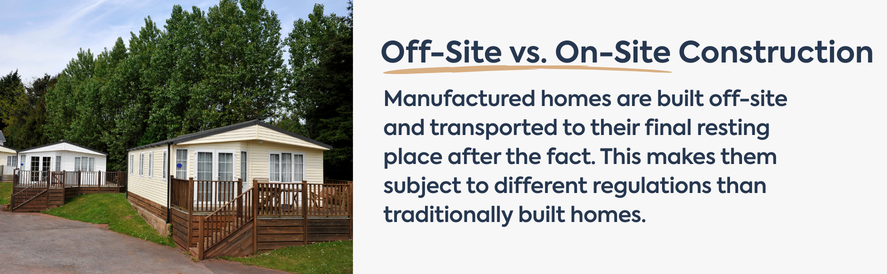
Unlike a traditional house that is erected where it will stay, manufactured homes are built in one location and then transported to their installation site. This allows for a faster construction process by removing the time-sinks of weather delays and travel between builds. Many mobile homes use standard sizing across multiple models for spaces like utility closets, ductwork, and crawl spaces, if these structures are included at all. Some mobile homes are built with a layout that demands an AC package unit or a heat pump package unit, depending on your climate zone. With less square footage overall than traditional housing, manufactured housing allocates less space to these inclusions to maximize the usable area within the home. Most traditional on-site homes are designed with modern HVAC systems in mind, with contractors often working to build around your preferred system. However, some older homes were built before modern HVAC became a popular inclusion, and therefore lack adequate space for HVAC utilities, like mobile homes.
One thing to keep in mind with mobile homes is insulation. No matter the type of structure, insulation is the key to consistent indoor temperatures. HVAC systems remove heat in summer and supply it in winter, but the temperatures your space maintains depend on the quality of your insulation. Some mobile homes have thinner walls than their traditional housing counterparts, so making sure your insulation is up to snuff is that much more important. If you are struggling with poor insulation, utilities will skyrocket in extreme temperatures. Winterizing your home is important for every type of living space.
Size Matters
When you have a finite amount of space and no real options to expand that space without purchasing a new home, making the most of every square inch is crucial. This means not only do you have to worry about the BTUs or tonnage of your unit matching the square footage, but you also have to take the physical size of the unit into consideration.
Furnaces for focused heating, unless they are part of a package unit, are housed inside the home. Some furnaces use a fuel source like natural gas or liquid propane, in addition to other options that run on electricity. Systems like the 72k BTU 95% AFUE Revolv Gas Furnace with Coil Cabinet may take up a decent amount of space, but their high efficiency makes them worthwhile. These systems are designed to fit traditional manufactured housing sizing, built with a width under 20” to match the common spaces made for HVAC in mobile homes.
If you want to avoid gas altogether, an all-electric option like the 68k BTU Revolv Electric Furnace offers flexible installation in upflow and downflow orientations and a compact frame. Between the 100% AFUE, 20” width to accommodate the classic MH footprint, and versatile installation options, you won’t have to look far to find powerful hardware in compact packaging designed for your housing.
Mobile Home-Rated HVAC
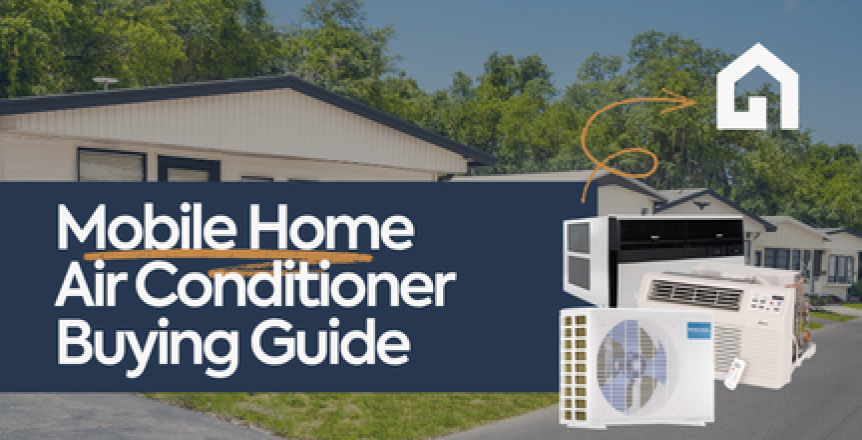
These differences in construction lead to changes in the HVAC hardware for use in mobile homes. We have resources at the ready, such as our mobile home AC buying guide and mobile home furnace guide, that help manufactured homeowners find the right system for their space. From federal, state, and local regulations to basic functionality, heating and cooling systems for manufactured housing have unique considerations to take into account.
HUD Regulations & General Ordinances
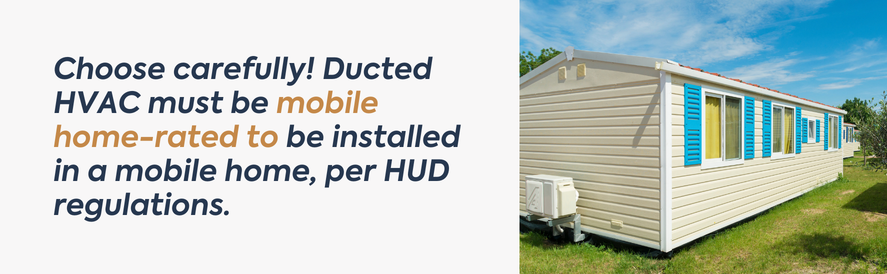
Where traditional housing has strict stipulations for construction and HVAC equipment in the International Residential Codes, or IRC, manufactured housing development and installation must meet HUD standards. These housing types have different regulations due to the way they are built. On-site homes, or traditionally built homes, are constructed differently from off-site manufactured homes.
Where you park your mobile home also plays a part in what types of ordinances you have to be mindful of. Agreements that outline expectations for leasing, utilities, and maintenance of your property (both your mobile home and the plot of land it’s on) are commonplace. Similar to apartments or other rental properties, your mobile home park may also have specific requirements surrounding noise, pets, parking, and emergency protocols. Some may offer amenities or other types of shared spaces. Be sure to check your community guidelines for a full list of ordinances.
Static Pressure
The amount of resistance air must contend with while traversing your home’s ductwork is defined as static pressure. Static pressure can be increased by several occurrences, such as dirty or restrictive air filters, undersized ductwork, convoluted ductwork, closed or blocked supply or return vents, and dirty evaporator coils. High static pressure is not ideal. If your blower has to work extra hard to circulate air through the system, you’ll wind up dealing with increased energy costs, uncomfortable temperatures, and a decreased lifespan on your HVAC hardware.
For mobile homes, the smaller ductwork translates to a higher static pressure than traditional housing. Furnaces and air handlers that are designed to work within these constraints compensate for this change in standard static pressure to maintain consistent airflow while mitigating the negative side effects associated with higher static pressure values.
Make the Most of Your Mobile Home HVAC with IWAE
Owning a mobile home is a wonderful way to have your own space without the price point of traditional housing or the strict regulations associated with apartments and townhomes. Even if you’re unsure whether a mobile home heat pump is right for you, having a space of your own is exciting, so don’t let HVAC troubles taint your excitement. With IWAE at your side, you won’t have to worry about finding the right solution on your own. If our mobile home air conditioning buying guide doesn’t leave you confident enough to pull the trigger, don’t fret! Shoot a call or message our way and let the customer service experts at IWAE work with you to find the perfect solution for your mobile home’s climate control needs.