
Key Points
- The unit location and the season influence condensation production.
- Improper installation and clogged drain pipes cause indoor air handler leaks.
- Outdoor water leaks create frozen coils. The defrost cycle is designed to melt ice and maintain safe, reliable operation.
- Newer heat pump systems provide better heating results in freezing temperatures.
We all know that water and electronics don’t play well together. With this fact in mind, it’s easy to see why a pool of water around your heat pump condenser raises red flags. While seeing condensation leak from the outdoor unit during normal operation isn’t unexpected, seeing water dripping from the indoor air handler is always a concern. If your heat pump is leaking water, don’t worry! IWAE is here to give you the low-down on what causes water leaks, when it’s a concern, and what to do about it.
What Causes a Heat Pump to Leak Water
When we're talking about a heat pump leaking water, there are two components in the split system we could be referencing: the indoor air handler or the outdoor condenser. Both components generate moisture that accumulates during normal operation. This condensate can drip, leak, or pool around your unit at different times of the year. In general, the air handler creates condensation during the cooling cycle in summer, while the condenser accumulates water when running the heating cycle in winter.
How A Heat Pump Works
Have you ever wondered how a heat pump supplies both heating and cooling? The fact is, heat pumps don’t create cold or heat. Instead, a heat pump transfers heat from one area to another. You don’t need to understand the laws of thermodynamics to know how a heat pump manages climate control. To cool your home, a heat pump removes heat from inside and releases it outside. Inversely, a heat pump pulls heat from outside and brings it indoors to warm your home.
A major side effect of this process is dehumidification. Believe it or not, dehumidification used to be the whole point! The process used in modern ACs and heat pumps to regulate temperature was originally designed to reduce humidity in paper warehouses. Dehumidifying air creates condensation that builds up on the coil. After all, that water has to go somewhere. This is where the water leaking out of your heat pump comes from. In an air handler, condensate drips off the coil into a drain pan and then flows outside. On a condenser, the condensate drips directly onto the ground from the coil.
Heat Pump Leaking Water Inside
While a heat pump leaking water isn’t always a danger, it can be a major problem inside, where that moisture causes damage to the building’s structure and your belongings. Modern systems are designed to release condensate outside safely, but issues still arise that might cause leaking:
Condensate Drain Blockage
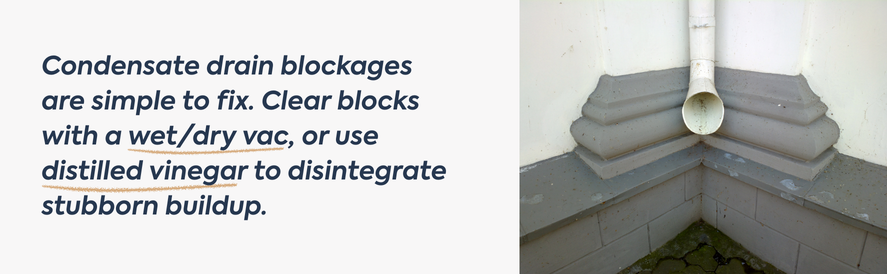
If you're having a problem with a heat pump leaking water inside, the condensate drain line could be clogged. This is the most common cause of indoor leaks. The condensation that drips into the drain pan won’t be expelled outside, and the moisture overflows into your living space. If the drain pan in your heat pump’s air handler is leaking water, the first thing you should check is the drain line. To fix this problem, remove any clogs and verify that the water flows out smoothly.
Air Handler Not Level
A very different leak can occur with a ductless mini split heat pump. Unlike central air systems, mini split air handlers are often mounted inside an exterior wall. These air handlers contain a fan, a coil, and a drain pan. While they can have leaks caused by drain blockage, just like conventional air handlers, this isn't the only reason a mini split heat pump might leak water indoors. Mini split air handlers require installation flush against the wall and horizontally level for safe and reliable operation. The air handler coil needs gravity to work in its favor so condensation falls from the coil into the drain pan and out the drain line. If the mini split air handler is not properly level or flat against the wall, that process is interrupted. To fix this problem, the air handler must be properly leveled.
Heat Pump Leaking Water Outside
While a heat pump leaking water inside is more likely to get noticed, the same condensate buildup occurs on the outdoor condenser in cold weather. Since this happens outside, it’s easy to miss. Oftentimes, it's due to normal operation and not a sign of anything worrisome. In below-freezing temperatures, though, this excess water leads to serious complications. Condensation on the outside coil freezes, damaging the hardware. It's one reason that most traditional air-source heat pumps are not great low-temperature heating systems. Luckily for those of us with heat pumps in regions with frigid winter temperatures, this isn’t an unsolvable problem.
Ice on the Coils
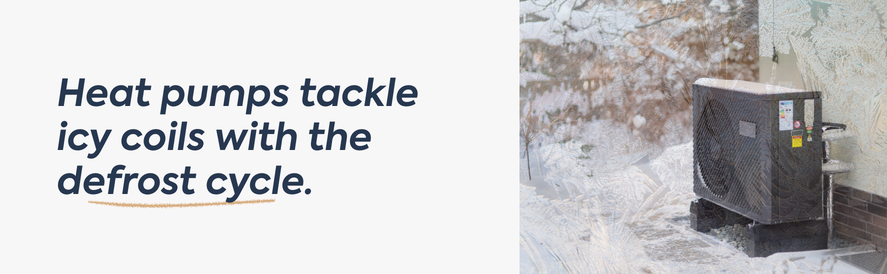
Heat pumps usually deal with ice build-up on their coils by running a defrost cycle. The defrost cycle works by running the cooling cycle to pull heat from your house, using it to warm the coil and melt the ice. Once the ice is gone, the defrost cycle ends and the heat pump switches to the heating cycle.
One concern many homeowners have about this process is that the cooling cycle releases cool air inside (a less-than-ideal concept during cold weather). For this reason, most air-source heat pumps come with electric heat strips. In a heat pump, electric heat elements provide supplemental heating that turns on to keep your home warm during this defrost cycle. Electric heat kits can even tackle the heavy lifting of heating your home when the outside temperature gets too low for standard air-source heat pumps to keep up. If you use a heat pump in an area with harsh winters, you should always add a heat strip to your system.
How to Stop a Heat Pump From Leaking Water
A heat pump leaking some amount of water is totally normal during regular operation, but you must ensure that condensation drains properly to avoid water damage to your home and possessions. While there isn’t currently a way to avoid the freezing condensation problem heat pump condensers experience in winter, additions like a condensate pump mitigate some of the difficulties. Otherwise, turning to the newest generation of heat pumps is your best bet to stay toasty this winter.
Choosing the Right Replacement Heat Pump
If you want a more robust heat pump solution to withstand frigid temperatures, you’re in luck! Modern HVAC technology has made great strides, providing more reliable heating in harsh temperatures. The MrCool Hyper Heat Central Ducted Heat Pump Split Systems are a great replacement for traditional heat pumps that struggle to keep you cozy in freezing conditions, maintaining up to 100% heating output in temperatures as low as -5 degrees Fahrenheit.
For homes that need similar results with customized climate control per zone, the MrCool DIY Hyper Heat Ductless Heat Pump Split Systems are the perfect solution. Designed to operate in ambient outdoor temperatures as low as -22 degrees Fahrenheit, you and yours will have no problem staying warm.
Let IWAE Help with Your Leaking Heat Pump
Dealing with HVAC issues is stressful, but you don’t have to go it alone! If you’re ever unsure whether the water leaking from your heat pump is normal or an indicator of a bigger problem, the customer service experts at IWAE are available to help. From troubleshooting basic problems like a clogged drain pipe to selecting a more robust heating system for your climate zone, let our team handle the hard part so you and your family can enjoy a stress-free winter for this year and many more to come.