


Key Points
- Air-source heat pumps use fresh, outdoor air to meet your temperature preferences. Air-source systems have options that use central ductwork or split systems that are ductless.
- Ground-source heat pumps take advantage of consistent subterranean temperatures, regulating the climate within your home with higher efficiency. All geothermal systems currently require central ductwork.
- Choosing between an air- and ground-source heat pump is situation dependent. Factors that influence the decision include the climate in your region, soil quality, upfront cost, and more.
There are many “this or that” style questions that come down to preference, such as picking chicken or fish for a wedding dinner or selecting a location for a family vacation. Other situations are more nuanced, such as deciding whether to get a PC or Mac, where the best option depends on the specifics of your use case. HVAC is no different, and choosing between an air-source and ground-source heat pump is hard enough. Geothermal energy has many benefits, but air-source systems are still a staple for many homeowners for good reason. If you’re stuck before you can even begin, let IWAE shoot the starting pistol to lead you to the prize at the finish line: an energy-efficient heat pump system.
What Is a Heat Pump?
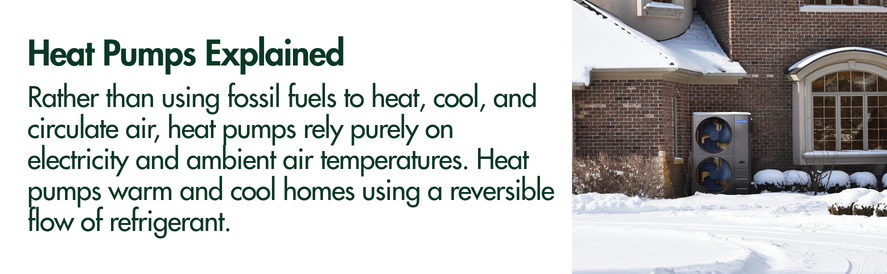
When many of us imagine an HVAC system, the image that comes to mind is likely an outdoor air conditioner condenser, an indoor furnace, and ductwork that distributes the conditioned air through the house. A heat pump provides similar results to these traditional systems, with a couple of key differences. Rather than using a furnace for heating, the condenser handles this task and uses an indoor air handler for airflow circulation.
Heat pump systems are designed to transfer heat from one area to another to optimize your indoor temperatures. In summer, this means cooling the air to keep your home’s ambiance brisk by removing the heat inside and expelling it outside. Reversing the flow of refrigerant through the evaporator coil allows heat pump systems to heat air before it’s distributed inside as outdoor temperatures plummet in winter. Either system will need you to keep up with proper maintenance. Where air- and ground-source heat pumps split off from each other is what source they use for their starting temperature.
Air-Source Heat Pumps
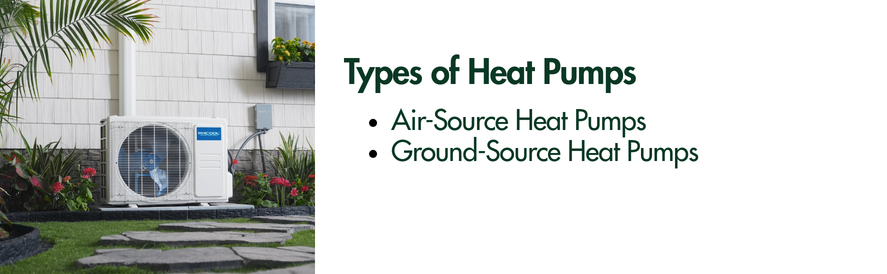
Air-source heat pumps use the temperature of the air as their base, adding or removing heat based on your chosen settings. There are two main options for air-source systems: central heat pump split systems and ductless heat pump split systems. Central systems use a single air handler and ductwork to spread conditioned air throughout different rooms of your home, whereas a ductless system has multiple air handlers per room, or zone, that can maintain unique temperature settings.
By using the temperature of the air outside, air-source heat pumps offer impressive efficiency in moderate climates. Periods of extreme outdoor temperatures lead to higher energy use; the frigid cold or sweltering heat cause the system to work harder to offset the starting temperature. This extra energy exertion is more evident in winter. Air-source heat pump condensers reside outside, subjecting them to bitter temperatures while in use. These split systems often require a defrost cycle when they first power up, drawing warmth from your home to heat the coils and melt any ice buildup on the unit. Once the hardware is in good shape, the heating cycle creates the toasty temperatures you want inside.
Ground-Source Heat Pumps
Ground-source heat pumps utilize stable, subterranean temperatures as the jumping-off point for their climate control. Ground-source heat pumps are most commonly built and advertised as geothermal heat pump package units since none of the components are visible outside of the home. Geothermal systems have a much higher entry price, but offset that cost with savings on your energy bills over time. In fact, many homeowners make up the difference in cost between a ground- and air-source heat pump in 3 to 10 years, depending on usage. That may sound like a wide window, but factors like the soil and climate in your region affect how well a ground-source heat pump performs.
Geothermal systems use a series of loops to take advantage of the steady temperature underground. There are closed loop and open loop systems, each with benefits and drawbacks. Check out our geothermal heating facts for more information on which type of loops would best work for your home, but the important thing is this: geothermal energy is more sustainable and efficient.
Which Is Better: Air-Source or Ground-Source Heat Pumps?
Facts are facts: ground-source heat pumps will always be more efficient than air-source systems in terms of raw ratings. Geothermal heat pumps have efficiency ratings that blow standard split systems out of the water, especially in colder climates. But what about regions closer to the equator? Marshlands without stable soil to bury loops into? No two situations are the same, so trying to find a one-size-fits-all HVAC system is a fool’s errand. Instead, it’s smart to search for the heating and cooling equipment that will best serve your needs.
When to Choose an Air-Source Heat Pump
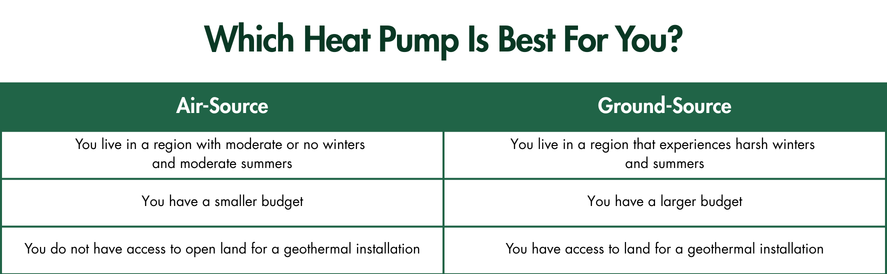
Do you live in an area with seasons that shift from sultry summers to moderate winters? It’s probably not worth the investment into a geothermal system when you won’t gain the benefits in brutal winter temperatures. After all, a modest chill in winter means your air-source heat pump won’t have to run its defrost cycle often, negating one of the biggest energy drains of these systems.
If you need to provide different temperatures for your loved ones, a ductless split system is your best option. Ductless split systems are only available as air-source heat pump split systems currently, so consider your hand forced. One of the many perks of a ductless split system is the ability to self-install the hardware, saving you additional funds by eliminating the need to hire a professional for the task. Systems like the MrCool DIY series and IWAE’s TruInverter units outline setup step-by-step and remove complex actions that need specialized training, allowing anyone of any skill level to tackle the job. Just be sure to verify with your hardware whether you can install the system yourself or if a licensed technician is required.
When to Choose a Ground-Source Heat Pump
To get the highest efficiency ratings in a wide range of temperatures, there’s no debate. As long as your home can support one, ground-source heat pump installation will be the best option. The price of the hardware and cost of installation are steep, we won’t sugarcoat it, but the savings you’ll find on your utility bills cannot be understated. Live in a region with frigid winters and stifling summers? Consistent comfort isn’t impossible with a geothermal system. Options like ClimateMaster and GeoCool are just a few of the big names leading the push for geothermal energy use in HVAC hardware. Beyond that, some factors give ground-source heat pumps the edge. Do you have a good source of clean water nearby? If you do, then you’ve got the golden ticket to a powerful open loop geothermal system. Are you trying to find a solution that doesn’t ruin your carefully crafted backyard oasis? Ground-source heat pumps don’t have any visible outdoor hardware, giving you total control over every square inch of your outdoor space.
Conclusion
At the end of the day, your HVAC system is your decision. You can buy a geothermal heat pump if you live in a tropical climate, knowing you won’t utilize the system’s full functionality. An air-source heat pump is still a viable option for cold climates, even if the defrost cycle leaves something to be desired in freezing temperatures. Choosing a dual fuel heat pump would help you stay warm past the heat pump’s first-stage heating. The right system for your situation isn’t always obvious, but you don’t have to bear the weight of the decision alone. The customer service professionals at IWAE are ready and willing to help you sift through the options on the market today until you find the perfect heating and cooling system for your home. We’ll even help hook you up with a professional to handle the installation!