
Key Points
- Regular maintenance is crucial for effective, efficient climate control. Seasonal hardware should be serviced before any period of heavy use.
- Some maintenance can be done without a professional, including: replacing the air filter, inspecting ductwork, removing debris, and cleaning components like the drain and coils.
- Keeping up with HVAC maintenance improves your home’s air quality, maintains high efficiency, and catches potential issues early, often before they can damage the hardware.
Let’s be honest: most of us probably think of calling in a maintenance technician for our HVAC system as similar to how we view getting our phone fixed when the screen’s cracked: it’s a reactionary decision. We think the only time to call a trained professional is when we run into an issue, expecting them to immediately diagnose and fix the problem. The truth of the matter, though, is that your HVAC system is likely struggling well before you notice any performance dips. Parts like fans and motors lose their strength slowly. A cooling cycle in summer taking a few extra minutes won’t throw a red flag for most people, but some of the internal hardware may already be on its last legs by the time the performance problems are noticeable.
Preventive maintenance saves energy and money by catching problems early, minimizing the disruption to your day-to-day life. We have in-depth breakdowns on seasonal checks in HVAC maintenance to perform in autumn and our guide to HVAC spring cleaning tasks, but let’s take a single step back to explain why yearly maintenance is a necessity for your heating and cooling system.
Annual HVAC Maintenance Is Important!
Imagine if you didn’t clean your home for a full month. Dust would pile up on surfaces, shades, and appliances, debris would litter the ground, and the smell of old food and garbage would taint the air. (Gross!) Without annual HVAC maintenance, you’re leaving a system that spreads throughout your home to fend for itself for years at a time. The amount of dirt, dust, and corrosion that can build up in twelve months is staggering, especially in hardware that’s actively sucking in the air and contaminants from your living space.
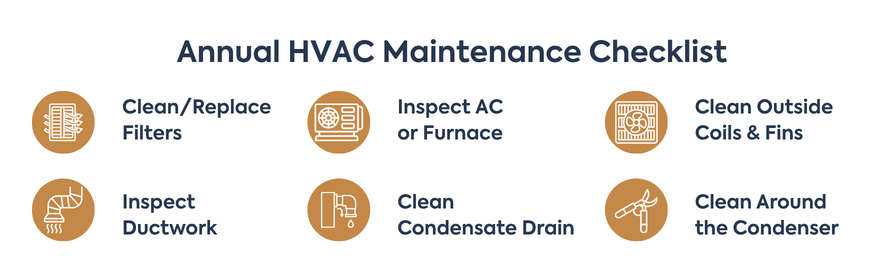
If you’re curious what kinds of tasks need to be tackled during yearly maintenance on any part of your heating and cooling system, check out our easy-to-follow checklist.
Annual HVAC Maintenance Checklist
The sheer volume of tasks associated with HVAC servicing can leave even the best of us overwhelmed. For those who have the bandwidth and curiosity, check out the full list of tasks to be handled by you and a licensed professional in our central HVAC maintenance essentials post. For the rest of us who could use more of a toe-dip into the pool, let’s go over the bare necessities that shouldn’t be skipped.
Pro Tip: If you want specifics on different types of hardware and their unique inspection requirements, check out:
1. Clean or Replace Your Air Filter
The air filter in your HVAC system does crucial work not just cleansing the air you breathe in, but also keeping those contaminants from accumulating within the heating and cooling hardware within your home. You should be cleaning or changing your air filters at least as often as specified by the manufacturer, with one to three months being the most common window for this across the industry. Replacement air filters are the most important part to keep up with in your HVAC system because they have the highest impact with the least effort for sustained, efficient performance. Clean filters reduce wear and tear on the blower components, increase the indoor air quality (IAQ) in your home, and reduce airborne allergens such as dust and pet dander. If you find that replacing the filters every 3 months isn’t sufficient, don’t be afraid to swap them out more often. In fact, homes with pets or in areas with harsh environmental factors commonly require more frequent air filter swaps. There are a couple of key details that will demand your attention when choosing the right replacement filter, so be sure to keep the following in mind:
- Check that the dimensions of a new filter match the needs of your system
- Verify that the MERV rating eliminates the allergens that affect you
- Review any manufacturer’s specifications on filter strength; some older systems don’t have the strength to pull air through thick, pleated filters
Do your research to find the correct filters, as using ones that aren’t a good fit for your unit can reduce the airflow to your system or allow contaminants to enter and wreak havoc in your HVAC hardware. This will create an unnecessary strain that will reduce its efficiency. If you have an air purification system or other aftermarket accessories, like a humidifier, follow the manufacturer’s instructions for changing those filters. Don’t forget, even ductless systems have filters that need to be changed or cleaned regularly.
2. Inspect Your Ductwork
Effective air duct maintenance is the piece of HVAC upkeep that many people tend to overlook, but it should be met head-on. Ductwork needs to be cleaned every 3-5 years depending on the dust and allergen factor of your area and your desired level of IAQ. Dust and debris can cake onto the walls and accumulate in the seams of the ductwork of your central system, causing allergens to spread throughout the home and efficiency to plummet as airflow is constricted. It’s especially noticeable if you have hardwood floors as carpets easily hide the level of dust that is really adding up. A quick dusting or vacuum cleaning makes a world of difference in optimizing your system’s performance, but a professional is usually the best for the job, as they have the proper equipment to easily and safely clean even the hardest to reach spots in the enclosed ducts.
Beyond checking for dirt and grime buildup, looking through the ducts helps you identify any issues that have formed over the last few months. Cracks, holes, and signs of damage are all issues to be fixed by a professional once identified. These gaps in your ductwork lead to a loss of heat, forcing your system to work harder. Improperly sealed ducts and poor insulation strain your HVAC hardware, costing you more money for worse results. By inspecting the ductwork at least once annually, you’ll mitigate these issues early and enjoy better results over time.
3. Clean the Condensate Drain
Your AC condenser drain pipe can cause a myriad of issues, including blockages from algae and mold. Keeping it clean is a critical part of home HVAC maintenance. When it is cooling, an air conditioner creates condensation (water). The water exits your house through a condensate drain. If it's clogged, that water can overflow, sometimes into your home. During the wet weather months of spring and summer, this can be a very common problem. To find and unclog your condensate drain, complete the following steps:
- Locate your drain line. It is usually a white, grey, or black one-inch PVC pipe that typically drains outside near the condenser unit.
- Inspect it to see if there are blockages or build up inside the pipe.
- Use a wet-dry vacuum hose to suck any plugged areas out of the line. If super duty help is needed, pouring a liberal amount of bleach through the drain pipe can clear out any organic matter as well. Remember: remove the paper filter from the wet/dry vac so it doesn’t get ruined in this process.
4. Clean the Outside Coils and Fins
The dirtier the condenser coil and fins, the less efficient your air conditioner will be. Dirt and grime can also lead to corrosion, a common cause of refrigerant leaks, so making sure your unit stays clean is vital. We don't recommend you clean your HVAC coils without some basic knowledge about systems, which is why it’s good to bring in an HVAC technician at least once a year to help with maintenance and find underlying issues. But, if you can’t wait for a professional to come, here’s what you can do:
- Carefully remove the exterior outer cover of your condenser unit.
- Brush it off or use a vacuum with a brush attachment to remove all outside dirt or vegetation that may be built up.
- Gently use a garden hose and spray from the inside out through the fins to clear any built-up dirt or debris that may be restricting the airflow. Make sure that the pressure you use is just enough to do the job, but not too much because strong pressure can damage the fin.
While cleaning the coils and fins, you may notice that some of the fins are bent up. This can happen for any number of reasons. For example, you might accidentally bend your fins by bumping them with the lawnmower or a yard toy. More serious incidents, such as a bad hail storm, can create significant damage. This can leave airflow blocked, meaning more wear and tear on your unit, a shorter life span, and higher utility bills. Fins are easily bent back into place using a tool called a “fin comb,” which are sold online from HVAC retailers.
Pro tip: Be sure to unplug the unit before working on any kind of home HVAC maintenance.
5. Clean Around the Condenser
Keeping overgrown vegetation, such as bushes and piles of blown leaves, clear from your AC condenser unit is key to keeping the airflow intake free of any debris, which will keep it working at top performance. Be aware that pollen or seeds from certain trees, like cottonwoods or the helicopter seeds from maple trees, are notorious for clogging outdoor AC condensing units. If you notice this happening, take off the exterior cover and clean seeds from the interior as described in the previous section. An unexpected home HVAC maintenance issue can also arise if dryer vents are pointed towards your condenser. Dryer lint can be blown into the unit causing loads of problems that could result in an expensive replacement. Ensure that the vent is pointed away from the condenser.
Get Regular Professional Maintenance
Hiring a professional to keep things running smoothly is essential to your HVAC system's health and efficiency. Most problems and home HVAC maintenance can easily be completed on your own, but a competent professional has the knowledge and experience to complete more complex fixes. The technician will have the tools and equipment to handle the hazardous coolant and diagnose any air leakages or electrical problems. A professional inspection will find signs of trouble well before they happen, saving you thousands in repair or replacement costs. They should inspect the blower motor, refrigerant levels, and observe the thermostat to ensure the proper operation. They can even make recommendations as needed.
Staying on top of your HVAC maintenance will save you time, money, and hassle, all while creating an ambiance in your home that is comfortable and welcoming. Spend some time at the beginning of each season to go through the recommended maintenance and the “heart” of your family's home, as well as your pocketbook, will thank you.
Improving Indoor Air Quality with Regular Maintenance
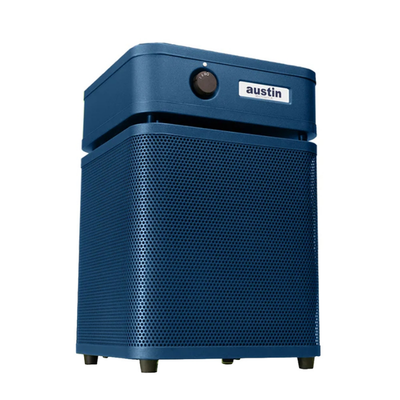
Even with all the proper maintenance, sometimes your IAQ needs will still need a little extra support. Options like the powerful air purifiers and replacement filters from Austin Air make a world of difference by removing harsh chemicals and other irritants from the air in your home, on top of the results provided by your main HVAC system. This extra layer of filtration ensures a safe and reliable environment for anyone with autoimmune issues,severe allergies, or dangerous environmental factors at play.
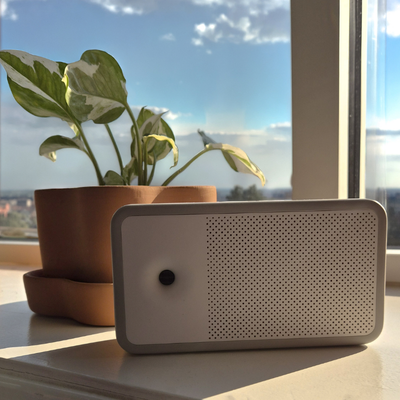
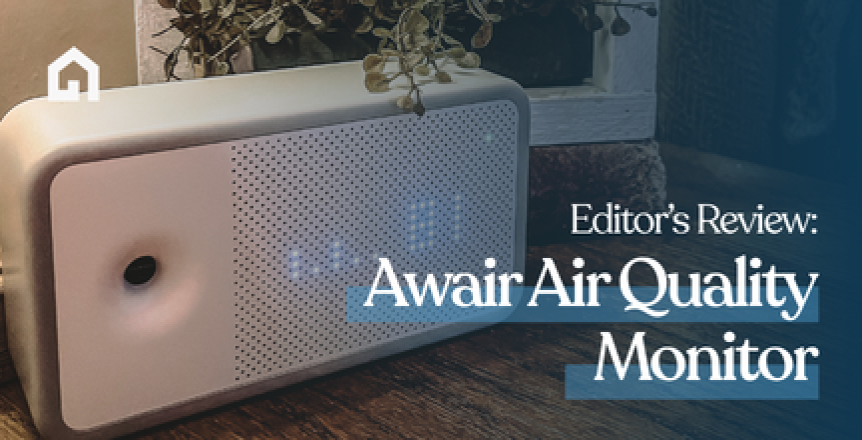
If you want a better way to keep tabs on the IAQ, options like the new AWAIR Indoor Air Quality Monitor are the perfect solution. Giving you key information about the quality of the air within your home at a glance, the AWAIR air monitor is backed by testimonials from our team that highlight the positive impact the hardware has had on their day-to-day.
Frequently Asked Questions About HVAC Maintenance
Why is HVAC maintenance important?
HVAC maintenance elongates the lifespan of your HVAC unit. By keeping it clean and checking for damage early, you can prevent grime buildup and stop small problems from becoming larger, more expensive problems.
How often should I service my HVAC?
It’s recommended to perform in-depth maintenance at least once a year, but doing small checks should happen before you enter peak seasonal use. Check on your AC in the spring before the summer heat hits, and check on your furnace in the fall before winter demand hits. For tasks like changing your air filter, check on your filters monthly, and make sure to change them every 1 to 3 months.
What does a tune-up include?
A professional tune-up will include a thorough cleaning of your HVAC system, from the outdoor condenser to your air ducts, as well as checks on your system. This will help technicians catch small issues that can lead to a reduction in efficiency and an increase in energy bills and repairs.
Does maintenance actually save money?
HVAC maintenance can absolutely save money for the homeowner. Many of these tasks can be done without professional help, meaning it costs you nothing to complete, but can save you an incredible amount of money down the road. Even tasks that require professional assistance can save you money in the long term, especially if your technician catches a small defect before it turns into a total system replacement.
What maintenance can I do myself?
Homeowners can easily check and change air filters, clean around the outdoor condenser, and unclog the condensate drain by themselves. Other tasks like checking and cleaning ductwork, cleaning condenser coils, and inspecting equipment can also be done on your own, but it is more thorough to ask a technician to use their specialized equipment to help with these tasks.
Maintain Your HVAC System with IWAE
Enjoying reliable climate control results over the years is a process, not a single choice. The start of the cycle is the same as the end of the previous: choosing the right HVAC system for your home. But what about the in-between? The dominant middle of this process is the years you’ll spend with the heating and cooling results of your chosen system, but maintaining that level of performance over time requires proper upkeep. The longer you leave your system to its own devices, the more issues can evolve in the background. By keeping up with annual maintenance, you’ll catch any potential problems early to nip them in the bud before they can cause additional damage to other hardware in the system. If you’re not sure where to find the right HVAC professional, reach out to IWAE. Our whole home comfort experts can direct you to the right HVAC replacement parts for your system, and even deliver top-tier custom service assistance to handle the hard parts.