
Key Points
- Most generators use gasoline, propane, natural gas, or diesel fuel to create power using a process called electromagnetic induction.
- In terms of efficiency, diesel fuel produces the most BTUs per gallon. In terms of longevity, propane has the longest shelf life.
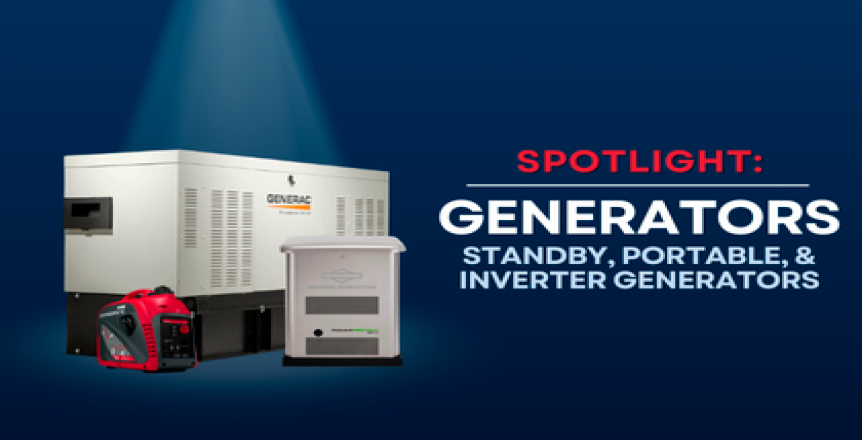
- Many standby generators run on propane or natural gas. Portable generators are more likely to run on gasoline or diesel fuel.
Do you know what generators run on? The type of fuel you use in your generator plays a huge role in how it operates over time. Think about your body. You can fuel yourself with candy, fruits, carbs, meats, and more, but each option provides unique benefits and drawbacks. Every option gives your body fuel, but it’s not that simple. Candies give a burst of energy, but leave you crashing after. Protein takes a lot of effort to process. Starches can leave you tired instead of wired. How efficiently are you going to handle your tasks during a sugar crash? Much less efficiently than with a balanced meal. Generator fuel types similarly offer unique benefits, with each providing its own benefits. Want to know which fuel works best for your generator needs? Check out IWAE’s buying guide on the best fuels for generators.
How Do Generators Make Energy?
Technically speaking, generators are hardware designed to create, or generate, electrical power. Generators operate using the basic principles of electromagnetic induction that scientist Michael Faraday discovered back in the 19th century. Using a magnetic field to force current flow, generators convert mechanical energy, or energy generated by motion, to electrical energy that can power your home, appliances, and more. Let’s break down what the core components of a generator are and what role they play in the creation of electricity:
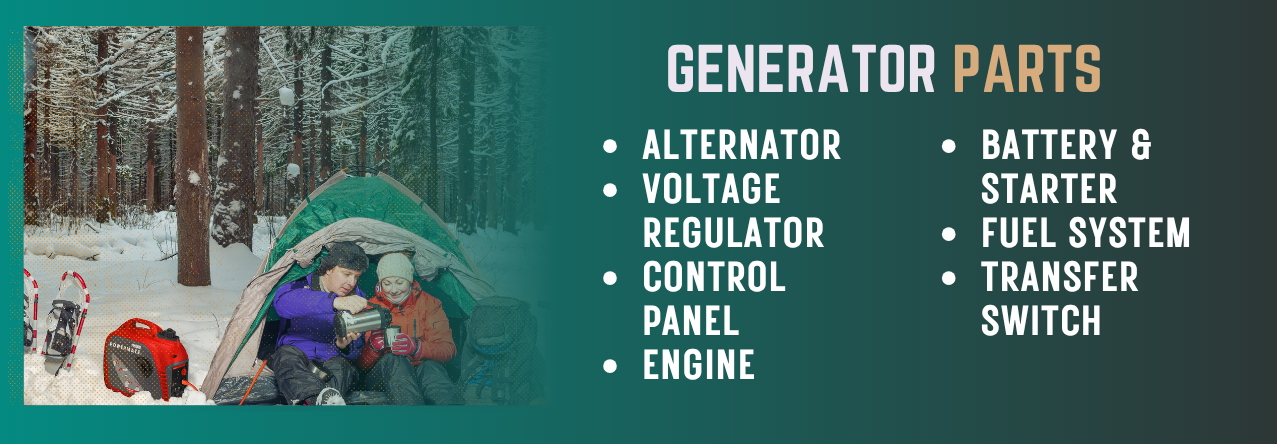
Alternator
An alternator is the place where electricity is made. You may hear people use the terms alternator and generator interchangeably, but an alternator is technically a type of generator that uses an alternating current to convert mechanical energy into electricity. You’ve probably heard mechanics talking about the alternator in your car. You can look at the battery in your car like a type of generator. Similar to the way your backup or portable generator works, the battery in your car relies on electricity created by the alternator to keep your electrical components running.
Voltage Regulator
Responsible for keeping the voltage at a steady level while loads change, the voltage regulator protects the hardware inside the generator from damage. Remember: the first law of thermodynamics, the law of conservation of energy, explains that energy can’t be created or destroyed in a closed system. This means that when the voltage is too high, the voltage regulator resists the flow to use the surplus voltage, converting it to heat and releasing it from the cycle.
Cooling & Exhaust
In any system that burns off gas, generators create harmful chemicals like carbon monoxide as a byproduct of the combustion process. The cooling and exhaust processes work together to maintain safe temperatures and reliable operation, releasing gases and excess heat to keep the generator functioning at full capacity.
Lubrication
A properly lubricated generator maintains reliable performance over time, reducing the amount of wear and strain on the system to extend its operational lifespan.
Control Panel
You need a means to choose your settings and plug in any hardware you want powered by the generator; that’s where the control panel comes in. Most control panels come with meters that indicate crucial information, like fuel levels and power output, alarms that alert you to dangers like carbon monoxide, and the means to cycle your generator on and off.
Battery & Starter
The battery is what supplies the starter with the energy it requires to turn on and function.
The starter is the piece that has to work for the generator to turn on at the start of a cycle.
Fuel System
The fuel system is a blanket term to describe the parts that handle the movement of fuel through the system: the fuel tank, the fuel pump, fuel lines, and any associated filters.
Transfer Switch
A transfer switch is the piece that swaps your home’s source of electricity to the generator from the main grid. There are a variety of functions and designs for transfer switches, so look for one that suits your unique needs if the generator you want or have doesn’t come with one. You can find options that support indoor or outdoor setup, manual or automatic activation, and more!
Engine
The engine in a generator is the part responsible for producing the spin the rotor needs to force a change in the magnetic field. Getting fueled by the respective fuel type of the generator, the most commonly used sources being gasoline, natural gas, propane, and diesel fuel, the engine is what allows the generator to “generate” the electricity your home needs.
What Fuel Does a Generator Use?
There is a generator out there to suit any unique scenario. Are you looking to fuel a whole-house generator? Maybe you only need a generator for small or outdoor appliances. Not every home has access to natural gas lines, but any home can benefit from backup power when disaster strikes. You’re in luck, because there are several options that use different fuel types.
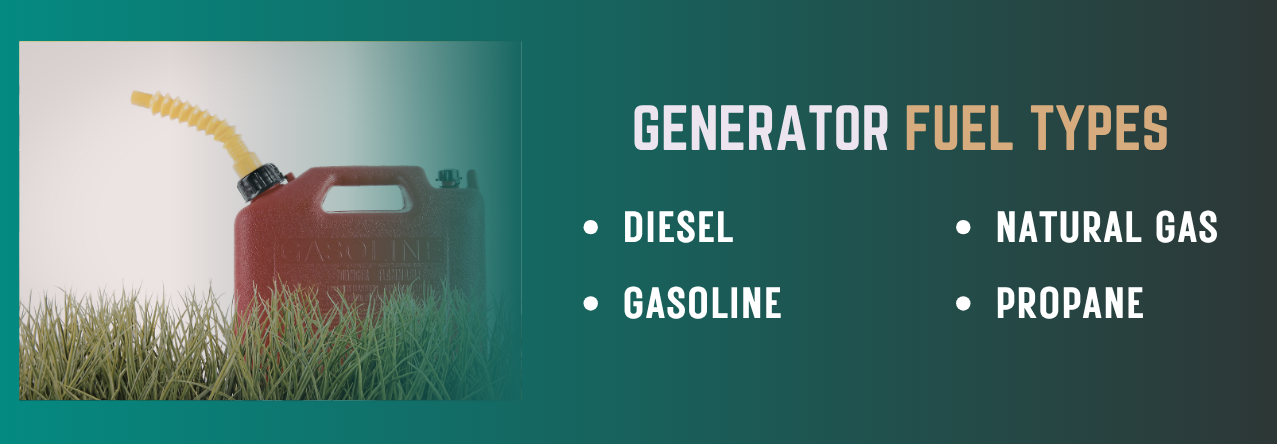
Diesel Fuel: 138.7k BTUs per Gallon
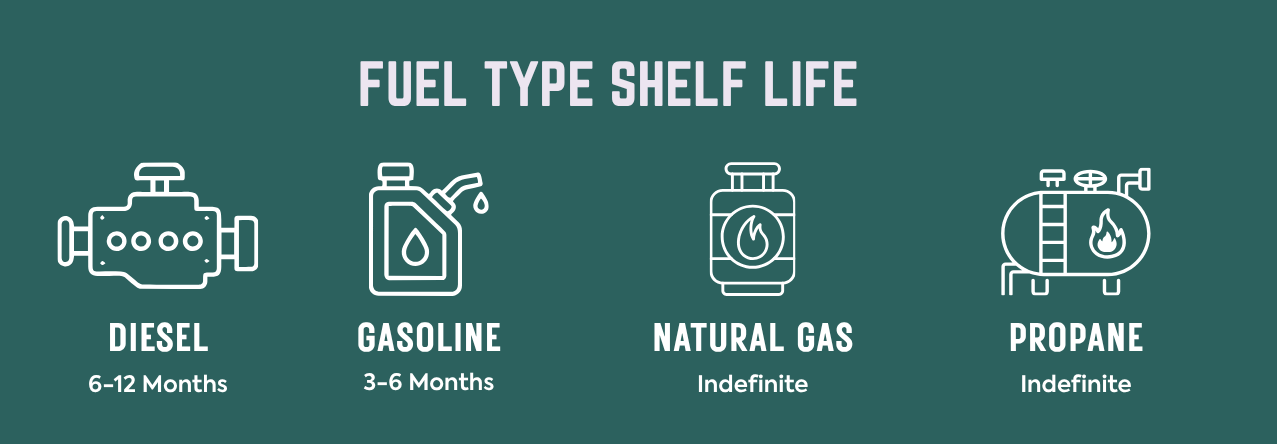
The most efficient and least demanding of the generator fuel options, diesel is a great choice for anyone who is using their generator regularly. Diesel generators are the most likely to function with a set-it-and-forget-it mindset, many of them going years between maintenance needs. This is true for generators with regular use, but diesel units that aren’t run frequently are more likely to break down over time. They are more expensive, but safer than gasoline options since diesel has a higher ignition point temperature. In terms of longevity, diesel fuel has a decent shelf life that can sit on a shelf for 6-12 months before degrading.
Gasoline: 125k BTUs per Gallon
Gasoline is the most common choice for homeowners looking to use their generator as a backup power supply or for emergency use. Gas generators are some of the more affordable options on the market, with their fuel source being readily available at gas stations everywhere. The trade-off here is that gasoline is more dangerous to store than diesel due to its low flash point temperature and shorter shelf life, with the chemical structure of gasoline blends showing signs of degradation, such as chemical breakdowns and moisture absorption, within 3-6 months.
With systems that require the most upkeep, gasoline generators are more efficient than both propane and natural gas but less efficient than diesel.
Pro tip: If you use your gas generator infrequently, adding a fuel stabilizer can help offset the degradation of the gasoline over time! This can reduce unnecessary wear on your hardware.
Natural Gas & Propane: Up To 91.3k BTUs per Gallon
LP, or liquid propane, is a commonly found alternative to natural gas. You’ve most likely seen 20lb tanks of propane outside of a grocery store, gas station, or hardware store, although homes and businesses that primarily use propane often have large tanks capable of holding between 250 and 1000 gallons of propane.
Most generators that can use propane are also equipped to work with natural gas! You tend to see a lot of natural gas emergency generators. While natural gas is often an easier resource to access in bad weather, propane is a fuel source you can store in bulk for long periods without issue.
While propane does not degrade or spoil in storage like gasoline and diesel, it is also less efficient than both. This makes propane a great choice for homeowners who aren’t using their generators frequently. Natural gas use requires your home to be hooked up to the main grid, meaning new gas is constantly flowing into your home and dispersed as needed.
Pro tip: A whole-home propane can hold 80% of its capacity at any given time. This means a 1000-gallon propane tank is considered full with 800 gallons of propane.
Which Fuel Should I Use for my Generator?
Are you someone who likes to keep the lights on while hunting, fishing, hiking, camping, and enjoying other outdoor activities? Portable generators aren’t locked into a set fuel type, so choose one that fits the frequency of the time you spend outside. Since propane doesn’t lose efficacy in storage, it’s a great option for anyone who can only manage to get away for a hike or camping trip once or twice a year. If you’re using your portable generator regularly, diesel is both the most efficient and the lowest maintenance of the main fuel options.
Looking for the best fuel option for a standby generator? Think about the climate in your area. If you live in a region that deals with tornadoes and other severe weather regularly, especially if you’re frequently losing power, a diesel or gasoline generator could be the perfect fit! Options like natural gas or propane are a better emergency solution for those who only occasionally find themselves struggling to keep the lights on.
IWAE's Favorite Generac Generators
Looking for the best of the best generators from Generac? Regardless of which fuel type you need, between natural gas, propane, gasoline, and diesel, Generac has a generator option that’s powered by your preference.
Dual-Fuel: Propane & Natural Gas
Most standby generators run on propane, natural gas, or both, and the 18kW Generac Air Cooled Standby Generator is no exception. Coming with Bluetooth and WiFi capabilities, you can control and monitor the standby generator from anywhere. The Generac Air Cooled Generator includes an oil level sensor, LED indicators for maintenance intervals and system status, and a sound-attenuated enclosure that creates an easy-to-use backup power option.
Gasoline
For a powerful, portable source of power that can handle outdoor work, construction sites, and off-the-grid homes using gasoline, the CARB-Compliant Generac GP8000E Portable Generator is the perfect solution. The included COsense technology protects you from carbon monoxide buildup, stopping the unit and alerting you to its presence to avoid health and safety hazards. With a fold-down handle for easy storage and maneuvering, the Generac GP8000E is the perfect choice for on-the-job electricity creation.
Diesel
Need an exceptionally durable and efficient generator for your commercial worksite or personal workshop? Choosing a diesel option like the CARB-Compliant Generac XD5000E Portable Diesel Generator is a smart way to keep the lights on without wasting energy. Diesel systems are easier to maintain when used regularly, supplying efficient and reliable power over the years. Equipped with a low oil pressure shutdown that shields the engine from damage when lubricant levels aren’t within safe limits, as well as an hour meter that tracks usage and maintenance cycles, you won’t have to worry when using a Generac XD5000E Generator.
Keep Your Generator Running with IWAE
Like our favorite native Kentuckian, digital meteorologist Ryan Hall, always says: Don’t be scared! Be prepared. Safety preparedness starts at your bad weather bag and generator, but it doesn’t end until… well, until it all ends. Just because the weather is ever-changing doesn’t mean your generator’s fuel type needs to be. Don’t get stuck trying to figure out which fuel type your generator uses. Equip yourself with this hand generator fuel guide today! Every option has pros and cons, but don’t let that stop you from finding the right fit for your use case. Reach out to the team at IWAE for a second set of eyes and ears to help you find the perfect backup generator or portable generator.