
Key Points
- 3/4 of all flash floods in the US happen between April and September, so preparing your home’s HVAC for flood season should be handled before this window.
- Flood water is dangerous even without total submersion. A few inches of standing water can lead to serious consequences for your home and HVAC system.
- If you live in a region with frequent flooding, installing your outdoor condenser on the roof, a raised platform, or mounted to the wall protects the unit from standing water.
- Options like generators, emergency water filtration, sump pumps, air purifiers, and more can help keep you and your family safe after a flood.
The 2026 flood season is fast approaching. If you live in a flood-prone region, you know how difficult it is to prepare for a natural disaster. When the water comes, it comes quickly, and predicting when it’s on its way feels impossible. Floods are sudden and destructive, and most standard homeowner insurance policies do not cover flood damage. So, unless you happen to have a great homeowner's policy or fork out extra for flood insurance, you might find yourself up a creek. What can you do to prepare your home for flood season? Here at IWAE, we’re concerned with your whole home comfort, and that also means we want to help you prepare for whole-home protection. From protecting your HVAC from damaging flood waters to preparing for emergency power, here’s our guide on 2026 whole-home flood preparedness.
When Is Flood Season?
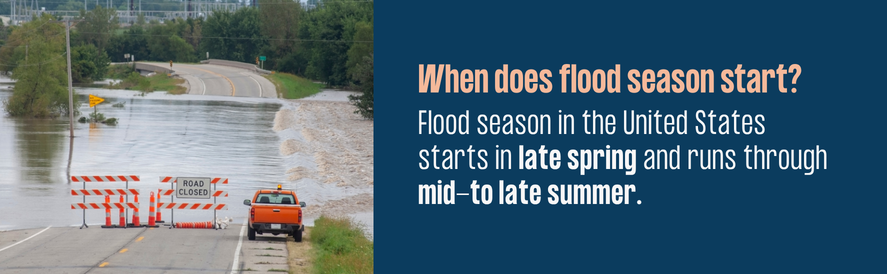
Flood season is different for every area, but generally speaking, you can expect flooding in the United States between late spring and late summer. According to research from NOAA, around 75% of flash floods in the United States occur between April and September. Think about other weather events that are known to happen during this time: hurricanes, thunderstorms, and monsoons, to name a few. All are major weather events that produce significant amounts of rain in a short period of time.
What Causes Flooding?
You might have an exaggerated view of floods. For example, when you think of a flood, you might think of bodies of water as tall as houses. This can and does happen, particularly in mountainous areas, areas close to rivers and creeks that have the potential to overflow, or areas where levees or dams have failed. However, home-ruining flooding can also happen when the water is only a few inches deep.
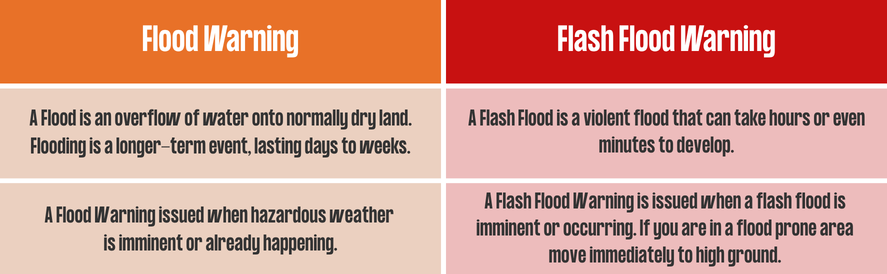
Flash floods, or floods caused by an overabundance of heavy rainfall, are particularly dangerous. This type of flooding is fast and incredibly destructive. Flash floods occur when the ground can no longer absorb more water, causing it to accumulate on the surface. Especially in areas that have been developed with roadways, buildings, and other structures that block the ground’s ability to absorb rainwater, flash flooding can be especially devastating.
How Do I Protect My HVAC From Flood Damage?
Some homeowners have a “come what may” mentality about natural disasters. Fortifying your home against natural disasters can feel impossible. Listen, we understand. No matter how well you prepare, a fully submerged outdoor condenser is unlikely to function when the flood recedes. Still, there are steps you can take, before, during, and after a storm that might save you from a total HVAC replacement.
Stormproofing Your HVAC
Modern weather services are pretty good at alerting you to potentially dangerous weather. Nowadays, it’s hard to be caught completely off-guard by the weather. So when you see bad weather in the forecast, make sure to do the following:
- Inspect your outdoor condenser for damage that would be worsened by water
- Check for loose parts that could be swept away
- Clear blockages near air vents, gutters, or other nearby drainage systems that could lead to water accumulation
- Install a surge protector to prevent damage from power-grid disruptions
If you live in a flood-prone area, it is also advisable to install outdoor units in areas elevated above known flood levels. This may mean installing your condenser on a rooftop, outer wall, or on an elevated platform. Wherever you install it, make sure that it is properly secured. You can purchase hurricane straps that will secure the condenser to your chosen base. If this isn’t an option, you can install a water barrier around your unit or create a drainage pathway that will ideally carry water away from your unit.
Pro Tip: For insurance purposes, take pictures of your home before a storm hits. This will help you with any potential claims you make for covered post-storm damage.
What to Do During a Storm
If you are under an active flash flood warning, prioritize your safety above all else. We recommend cutting off power to your unit at the breaker box to prevent electrical surges or other malfunctions. You should also keep an eye on the water level. Don’t wait until the water is at a dangerous level before moving to higher ground or an evacuation center. Driving through flood waters is incredibly dangerous. In fact, most flood-related deaths are attributed to driving through flood waters. Your vehicle can be swept away with only twelve inches of moving water. Give yourself ample time to get to safety, and allow the water to recede to safe levels before returning home.
Inspecting Your HVAC After a Storm
Do not attempt to inspect outdoor HVAC components while flood waters are still around. Even if the water is relatively shallow, it might carry pollutants and other contaminants that can make you very sick. Additionally, you carry the risk of heightened electric shock if any electrical components malfunction. So be patient and wait for things to dry up before beginning any inspections.
Once the coast is clear, go outside and take stock of any damage you see. If your unit is covered in debris or mud, you’ll need to clean that off first. Then, use the following checklist to search for damage.
- Did the flood waters wash away any components?
- Are there dents or gashes in any of the components?
- Is there any debris stuck in the grill or puncturing the outer casing?
- Is there any damage to electrical wiring?
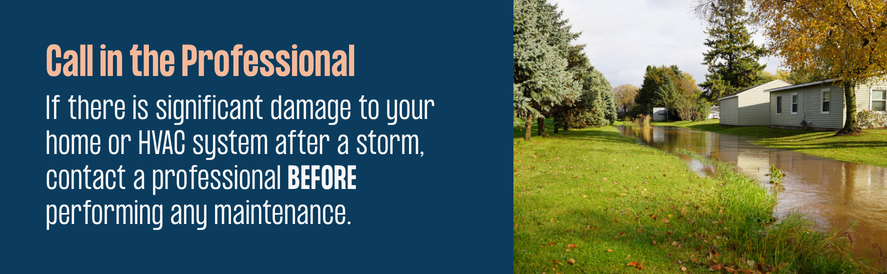
Make note of any and all damage you see, then call an HVAC professional. It’s also worth noting that some damage may be internal, so it won’t be obvious during a simple inspection. Flood water may have gotten into your refrigerant. Contaminated water may have seeped into your ductwork, especially if you have a basement or subterranean areas of your HVAC system, which can lead to mold and other issues. If flood waters touch your HVAC system at all, it is advisable to call in a professional to do a proper inspection.
Whole Home Comfort After the Storm
Major storms can do more than take down your HVAC system. Flooding can lead to disruptions in the power grid and in your water system. Having systems in place to ensure you still have access to electricity and clean water after a storm makes a huge difference, as does having the tools to restore your home to normal if it is affected by floodwaters. For this, we recommend having the following tools at the ready.
Generator
Generators come in several sizes, shapes, and maneuverabilities. If power loss is a consistent worry for you, installing a permanent standby generator at your home would be wise. However, if you have a more on-the-go lifestyle, enjoy outdoor sports, or need more flexibility with placement, a portable generator would be perfect. There are several types of generators, and one size does not fit all situations. Make sure that you calculate the load you expect your generator to support, and buy an appropriately sized generator.
Pro Tip: Generators come with their own host of accessories and considerations. If you need help sorting through the minutiae, check out our backup generator buying guide.
Emergency Water Filtration
If you keep your home emergency kit stocked, you’ll have a few gallons of drinking water at the ready, but those will only last for so long. Plus, disruptions in the water system can spiderweb into long-lasting issues. If you’ve ever been through a boil advisory, you’ll understand. Even when disruptions in service are resolved, it can take a while for the water to be safe to drink. In these situations, having emergency water filtration on hand will ensure you have consistent access to safe drinking water.
Pro Tip: Even outside of emergency situations, having additional water filtration in your home can be a boon to your household's health. Check out our blog on the benefits of water filtration to learn more.
Sump Pump
If you have a basement or other subterranean areas in your home, like a below-ground storm shelter or crawl space, a sump pump will be your best friend come storm season. Sump pumps work by pumping water out of these low-lying areas and transferring that water away from your home. A sump pump is a critical tool to have to prevent water damage to your home if you live in flood plains or other flood-prone areas. To install a sump pump, you will have to dig a basin in the area where you want to prevent flooding. Water will accumulate in the basin, and the sump pump will move that water elsewhere.
Air Purifier
You might not consider the need for air purification in the midst of an emergency. However, once the water has receded and you’re left to clean up, you’ll want a good air cleaner or air purifier. Floodwaters introduce excess moisture to your home, and do you know what happens when you combine excess moisture with summer heat? Mold. Especially if you find yourself in a situation where your home floods and you lose power during the summer, mold will become an issue. Mold can cause serious health issues for you and your family, so combating it after a flood should be a top priority. Make sure that you clean all visible signs of mold, and then use an air purification system to tackle airborne mold spores and other unhealthy particulate matter.
Stay Safe With IWAE
Keep your whole home comfort and safety in mind when shopping with IWAE. From storm preparedness gear to post-storm replacements, IWAE has you covered. With our wide range of energy-efficient and budget-friendly whole-home solutions, we’ll keep you comfortable after the storm. Browse our offerings now, or call a sales representative to start your order.