

Key Points
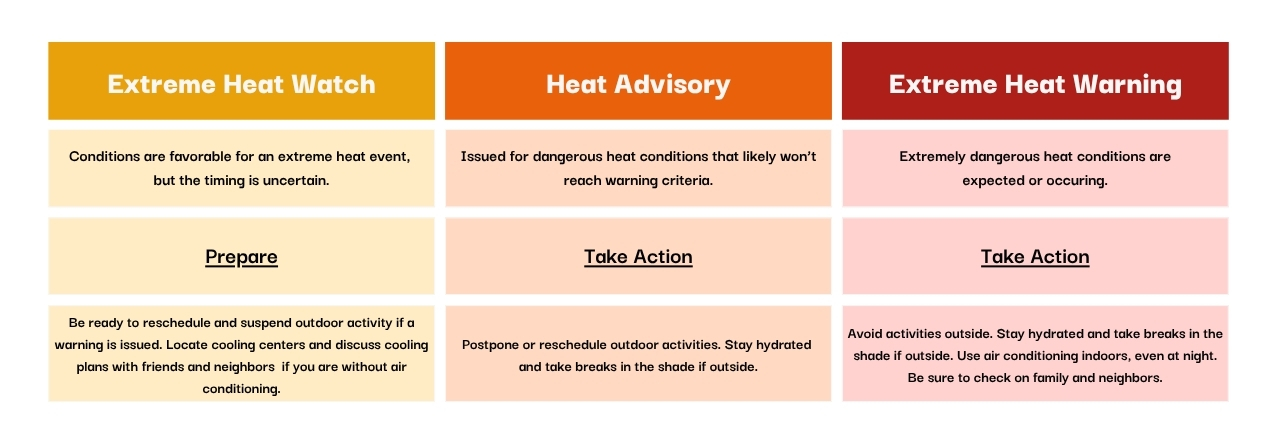
- Heat waves are dangerous periods of excessive heat that lasts for two or more consecutive days. Heat wave temperatures vary by region as they are defined by conditions above the historical average for the area.
- Avoid using heat-producting appliances like ovens and stoves, pull the blinds or curtains closed, and manage indoor humidity levels.
- Stay comfortable by running the AC and fans, staying hydrated, and running cool water on your skin or using a cold compress on pulse points.
- If you must be outside, wear light clothing, bring cooling accessories like travel fans, stay in the shade, and avoid strenuous activities.
Change my mind: Summer is the best season of the year. Nothing is better than a clear summer day in the great outdoors, and don’t even get me started on summer sunsets. (Hint: they’re the most beautiful sunsets of the year.) As the days grow longer, they also get warmer. The sun shines, bringing new life and a sense of rejuvenation. But some days, it’s so hot you can’t imagine stepping outside of your sweet AC—if you even have it. And some of those days are so hot that your AC can’t keep up, or even worse, the power grid fails, and you lose AC. String a few of those days together and you’ve found yourself in the middle of the heat wave.
Heat waves are more than an annoying cause of excess sweat and sticky skin. They can be dangerous to your health and make you miserable whether you’re outdoors or in your home. When you’re in the middle of a heatwave, it might feel like it will last forever, but eventually it will end. In the meantime, you can find a reprieve by following these tips for surviving heat waves and escaping their warm clutches.
What Are Heat Waves and What Is Their Impact?
Heat waves refer to dangerous periods of unusually hot weather when temperatures exceed an area’s historical average, meaning no specific temperature range constitutes a heat wave. For example, Maine could experience a heat wave at 95 degrees, while these temperatures likely wouldn’t turn any heads in warmer parts of California. This phenomenon often lasts at least two days. Two days doesn’t seem like a long time, but various conditions make a heat wave feel more or less bearable.
Despite lacking a specific temperature range, heat waves can be dangerous, especially if you haven’t prepared for them or don’t know how to cool down. People of all ages can face harmful symptoms from extreme heat, but children, babies, older adults, and pregnant women have a higher risk of experiencing harmful symptoms.
Regardless of who or where you are, you could experience the following effects due to a heat wave:
- Sunburns: Beyond redness and pain, sunburns can bring blisters, headaches, fevers, and swelling
- Heat cramps: Your legs and abdominal muscles can face painful spasms and cause nausea.
- Heat exhaustion: People with heat exhaustion can experience fainting, cold or clammy skin, a thready pulse, weakness, and heavy sweating.
- Heat stroke: While people with heat exhaustion can maintain a normal temperature, those with heat stroke will experience internal temperatures over 106 degrees. They can have hot, dry skin and a strong, rapid pulse, and they may even go unconscious.
- Death: In the worst cases, heat waves can be fatal. The combination of hot temperatures and a lack of proper hydration or symptom treatment can lead to death. In the United States, more than 1,300 deaths occur annually due to extreme heat, and an average of 750 deaths record heat as an underlying or contributing cause of death.
How to Stay Cool During a Heat Wave While Inside
For many people, heat waves encourage them to stay inside and away from the sun and strong temperatures. In fact, many government agencies recommend doing just this to protect yourself during a heat wave! However, you can still experience the effects of a heat wave inside your home. You may think you’re safe behind closed doors, but warm air can creep in and raise internal temperatures. Keeping your house cool in extreme heat is essential for your comfort and health.
Learn how to stay cool in the heat with these tips:
- Use Fans or Air Conditioners: Fans and air conditioners can quickly cool a space. You can choose from window air conditioner units, portable models, central air conditioners, and other types to achieve fast cooling. For those without an air conditioner, ceiling fans or portable fans you plug into an outlet can also circulate air to help you feel cooler.
- Close Your Curtains and Blinds: Making your home darker and preventing sunlight from entering can cool your space. Closing the blinds and curtains reflects heat outside that would otherwise warm your house. However, be cautious of closing dark, heavy curtains, as this can trap heat within a room. Additionally, you can further aid in cooling your space by shutting the doors to any rooms you don’t plan on using. This will allow any cool air you circulate to move through your most necessary spaces, allowing you to feel cooler faster and for longer without needing to use as much energy.
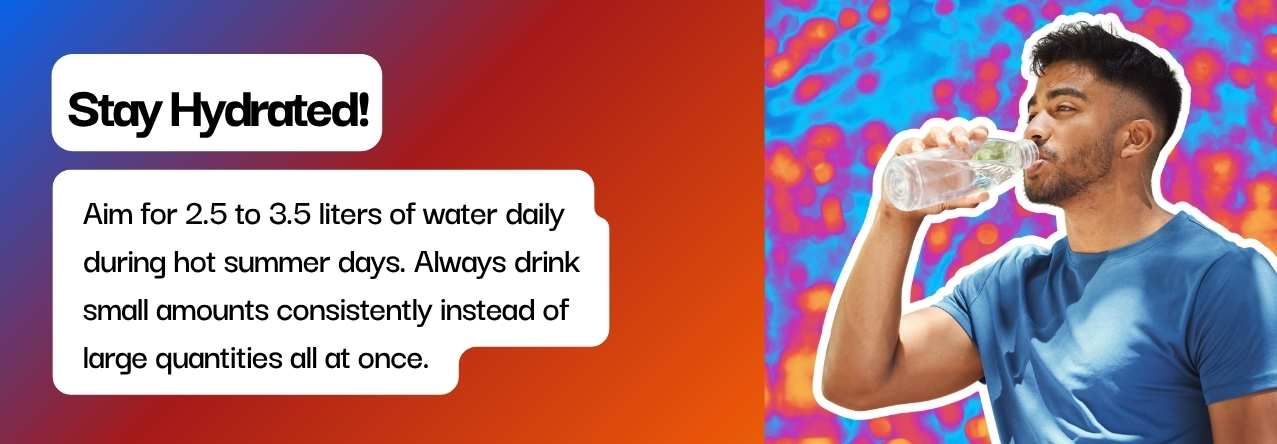
- Stay Hydrated: Drinking water is crucial during extreme temperatures. Water helps maintain your internal temperature and can even make you feel cooler. You’ll likely be sweating excessively during a heat wave, which means your body will lose large amounts of essential fluids. To prevent dehydration and fainting, you should drink water at regular intervals. Set timers if you need the extra hand to remember to up your intake. You can also combat dehydration symptoms by placing a cool, damp towel on your neck or forehead.
- Watch Indoor Humidity: Your body relies on the evaporative cooling quality of sweat to regulate your body temperature, but this is made more difficult when in high-humidity situations. Air has something called a saturation point, or a limit to the amount of moisture it can absorb. When the air is full of humidity, it can’t absorb the sweat from your skin, and you struggle to regulate your body temperature. This is an issue both indoors and outdoors, but at least indoors, you can use a dehumidifier to keep your indoor humidity at an appropriate level. Luckily, most AC units will also remove humidity from the air, but you may need another way to make your home less humid if that’s not enough.
- Cool Your Pulse Points: If you fear you are at risk of overheating, there are ways to quickly bring down your body temperature. If you can, hopping in a cool shower will reduce your body temperature. Otherwise, you’ll want to find other ways to cool your body. By placing ice packs or cold compresses on your pulse points (neck, armpit, behind the knees, groin, etc.), you can help your body circulate cooler blood.
- Avoid Heat-Producing Activities: Your home appliances can create a significant amount of heat! The average home stove outputs between 7,000 and 12,000 BTUs (British Thermal Units) of heat. During a heat wave, this adds up! Keep meals light during a heatwave to avoid having to turn on the oven or stove. Also avoid using appliances like the washer and dryer that put a strain on the power grid to prevent blackouts.
Tips for Staying Cool in the Heat When Outdoors
While most people often prefer to stay inside during a heat wave, there are times when you must venture into the great outdoors for one reason or another. If you’re caught in the elements during a heat wave, you can follow these tips to stay cool:
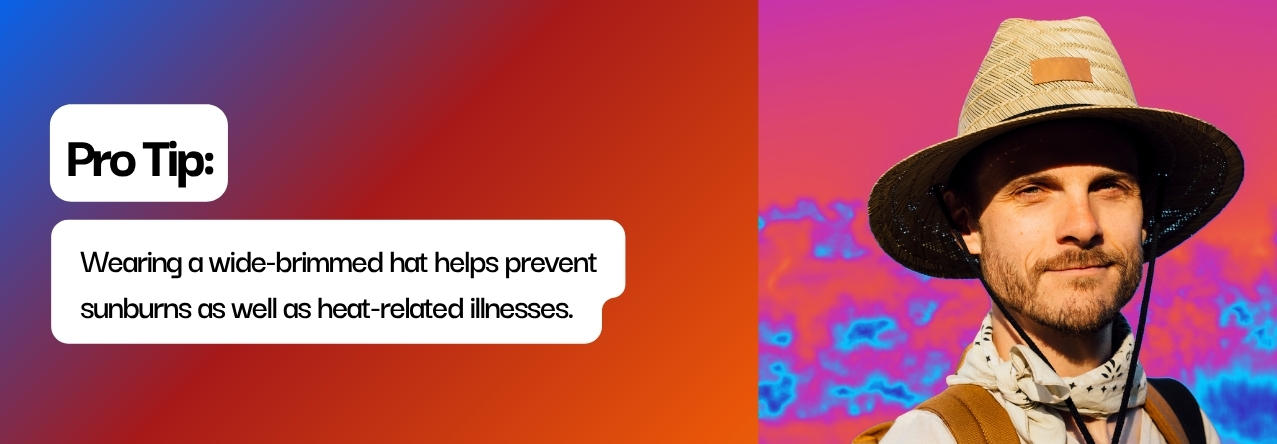
- Wear Light Clothing: While you likely already know to stay away from sweaters and jackets during a heat wave, there may be some tips you’re unaware of. Light clothing will help you stay cooler than dark, heavy clothing, and even your clothing material can impact your experience. For example, cotton and linen are lighter materials that can feel more breathable, while polyester and nylon can trap heat against your body. Additionally, you’ll likely feel more comfortable wearing loose clothing with lots of room for movement instead of tight shirts or pants. You might also believe that less is more, but wearing long sleeves is actually beneficial when you’re going to be out in the sun! That extra layer creates shade that protects your skin from harmful UV rays, and it aids in evaporative cooling when you begin to sweat.
- Wear Cooling Accessories: Nowadays, there are lots of cooling accessories you can bring outdoors, like handheld fans, belt fans, evaporation vests, and cooling towels. If you don’t have access to this technology, you can also lightly soak a washcloth, freeze it, then put that washcloth on your neck while working outside.
- Seek Shade and Low Ground: Heat rises, which means you can cool off simply by staying close to the ground. Shade offers a natural cooling effect, and trees are wonderful places to find cool relief. Shade reduces surface temperatures and intercepts light, effectively limiting your exposure. You can create some shade over your body by carrying a sun umbrella and wearing hats, but natural shade will often offer the most comfortable reprieve.
- Avoid Strenuous Activities: If you’re in a heat wave, you’re likely already sweating profusely. During these times, it’s safer to break with routine and take things much easier than you normally would. Avoid strenuous activities, including intense exercise, and consider waiting to complete tasks that are not time-sensitive. If you need to engage in strenuous activity, take many breaks and have lots of water on hand to stay cool and hydrated.
Stay Cool With IWAE
The best way to survive a heat wave is to prepare. At IWAE, you can find the home comfort equipment you need to stay safe and comfortable. With more than 30 years of experience in the industry, we understand the importance of high-quality and efficient cooling solutions. We know you want to save time and money, and we have the products and services necessary to keep you happy and satisfied. Whether you’re looking to improve air quality, find lasting cooling solutions, or want to enhance your current systems with advanced accessories or replacement parts, we’ve got you covered. Browse our products to ensure you have what you need to beat the heat.