
Key Points
- Deaths around the world skyrocket during intense periods of extended heat, especially when nighttime temperatures stay too hot to allow our bodies to recuperate.
- Heatwaves are dangerous to everyone, not just vulnerable groups like children, the elderly, or those with existing health conditions or heat sensitivity.
- Everything from the material of your clothes to where you live can affect how easy or difficult it may be to stay cool during intense heatwaves. Low-income areas often need additional support due to the lack of resources available to them.
- High-efficiency HVAC solutions can keep your home cool during the worst heatwaves. There are also public cooling centers available throughout the U.S.
- Routine maintenance can prevent your HVAC system from giving out during the excess strain of cooling during a heatwave.
- Have a backup generator on hand to keep cool in case the grid overloads or your city uses rolling blackouts to avoid stress during peak periods without leaving you exposed to the heat.
Summer is the season most of us associate with long days and lots of outdoor activities, but we all know how the repercussions of global warming have been increasing in severity for years. Summer storms and heatwaves can throw a wrench in the best-laid plans for fun in the sun. Unlike a standard hot day, dangerous heat lasts for extended periods, up to several days without relief. Heatwaves make it a struggle to stay cool, but not just during the peak temperature in the early afternoon: the uncomfortably hot nights are equally as hazardous to our health. Children, the elderly, and those with chronic illnesses are at greater risk of serious health complications or worse, but it’s important to remember that everyone is at risk during heatwaves.
Why Are Heatwaves Dangerous?
Dangerous heatwaves are something every person should know how to cope with. Whether you rent, couch surf, own a house, trailer, RV, tiny home, homestead, or camper, or have nowhere to call home, heatwaves don’t discriminate. There’s no need to panic, no matter your situation. Rather than being scared of an eventual heatwave, it’s best to be prepared for the eventuality. El Niño conditions happen every two to seven years, which can bring with them heat waves. There are several ways to prepare for the heat of El Niño conditions, but the natural warming of the tropical Pacific isn’t the only concern to keep in mind this summer. Water quality often drops as rivers warm. Electricity demands increase, straining the power grid and potentially causing outages that leave hundreds or thousands of people at risk without access to air conditioning.
Extended exposure to high temperatures has serious consequences for our bodies. In fact, a 2025 study in Europe determined more than 60,000 deaths were due to the heat the previous year. The recent 2026 heatwave spreading across Europe has proven just as devastating, with countries in Europe from Austria to the UK clocking new record highs and thousands of deaths from the heat. These dangers are amplified during uncomfortably hot nights; our bodies need a cool environment to rest and recover. Experts recommend keeping your room between 60 and 67 degrees for optimal sleep. Without a break from the heat, our bodies deal with excess strain that causes an increased risk of additional health complications. Heatwaves push our bodies past their breaking point and lead to new health issues like dehydration and worsening existing conditions like kidney disease, respiratory illness, and mental distress.
Heat Stroke vs. Heat Exhaustion
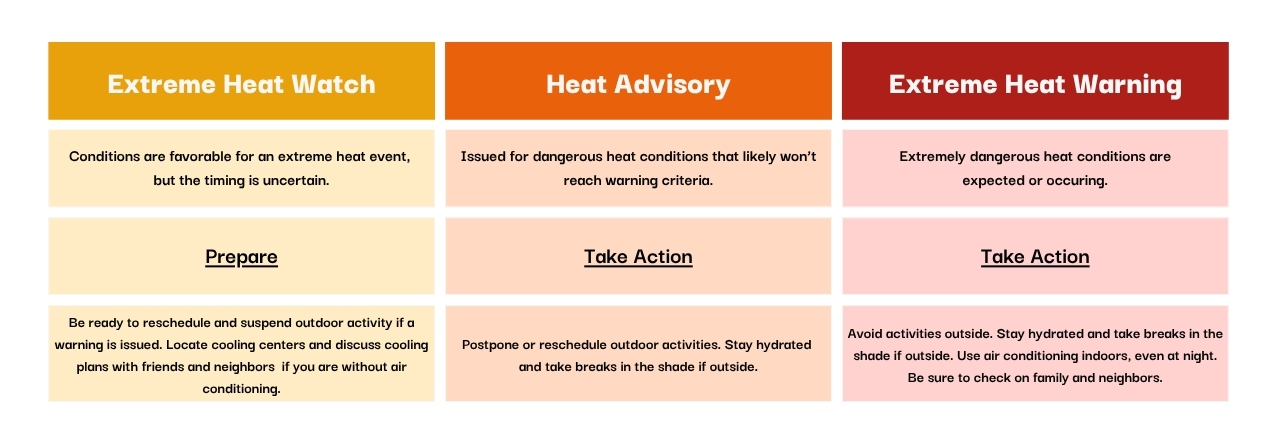
Believe it or not, heat exhaustion and heat stroke are part of a spectrum of heat-related illnesses. Most heat-related illnesses are bundled together due to their linked cause: prolonged exposure to excessive heat. Without the ability to regulate its internal temperature with sweating, your body requires external cooling to avoid dealing with some serious consequences:
|
Heat-Related Illness |
Symptoms |
|
Heat Rash |
|
|
Heat Cramps |
|
|
Heat Exhaustion |
|
|
Heat Stroke |
|
At the end of the day, your best bet to avoid serious health issues from high temperatures is to keep your home cool and comfortable with powerful, efficient air conditioning. Luckily for you, IWAE has a range of air conditioner condensers, split systems, and package units that make it easy to cool down during a heatwave.
Did you know? Mobile homes have their own unique needs for HVAC. See our Mobile Home AC Buying Guide, and check out our variety of mobile home AC systems and package units!
How to Cope With Extreme Heat
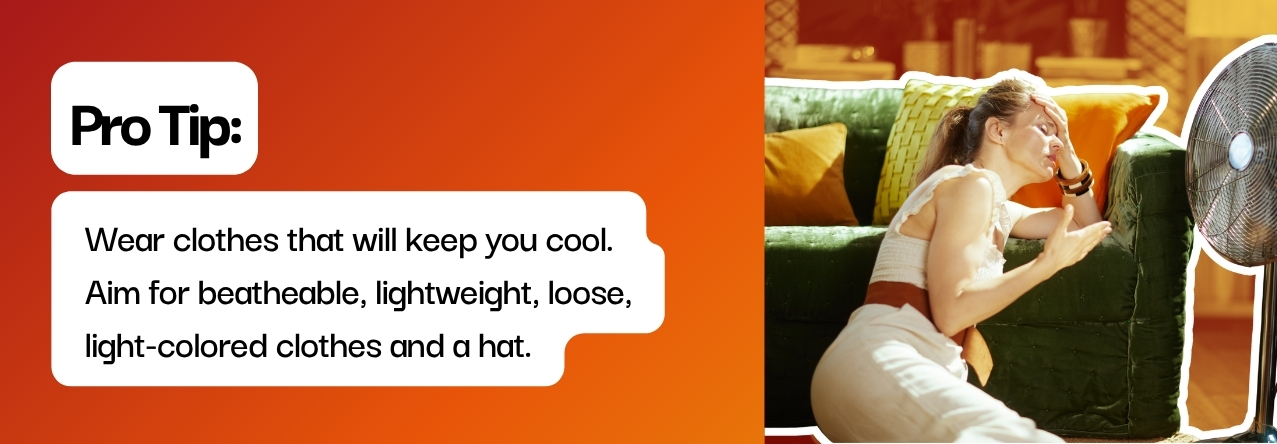
Wondering what options you have to keep cool with the upcoming heatwaves this summer? Some tips and tricks are widely known; avoiding direct sunlight during the day, pulling the blinds when the sun hits your windows directly, and minimizing indoor heat production are crucial. Limit the use of appliances like ovens, stoves, and laundry machines until later in the day. Utilize a cross-breeze when possible to cool down your living space when outside is cooler. Sleep in the room that gets the coolest, usually one on the lowest floor without west or south-facing windows.
Learn more about what fabrics are best for hot weather to find cool sleep and loungewear solutions for heatwaves. You can also try soaking shirts in water to cool down in a pinch!
Low Income Households & Communities Need More Support
Do you have any family that lives in a country with harsh heat during summertime? Are you a blue-collar worker or know someone who works a physically demanding job outdoors? Have you been putting off your workouts to avoid the worst of the excess warmth? The increasing outdoor temperatures from climate change are leaving more people suffering from heat-related illnesses, but the problem is much more complex than it appears. Countries and communities with lower income struggle disproportionately in heatwaves. While it shouldn’t be a shock that those without a reliable means to stay cool suffer the worst effects from high heat conditions, the plight of our most at-risk often falls on blind eyes. As someone who’s passed out from heat syncope, the sensation of your body overheating isn’t something I’d wish on anyone.
Resources like public pools and parks with plenty of shade are great options to cool down on a hot summer day, but many of these types of shared resources are kept behind annual memberships and fees that purposefully exclude the most vulnerable of our society.
Before you resort to jumping head-first into the nearest river, lake, or body of water, put safety first. Drownings spike during heatwaves, particularly with children and teens who don’t know the dangers of open water. The kinds of risks people are willing to take to beat the heat when they don’t have dependable home cooling can also lead to serious harm and death. After all, desperation can get the best of anyone in a dire situation. Before you head to the reservoir, grab a seat at the local library and cool down with a book to read. Look for free public spaces that have air conditioning. Some cities even offer free entrance to zoos, museums, and other locations for local residents!
Pro tip: In an emergency situation where you don’t have access to effective cooling, find a cooling center in your state to beat the heat! Just be sure to call & make sure they’re open.

High-Efficiency Cooling for Heat Waves
Businesses and homes alike should always prioritize finding efficient cooling solutions to offset extreme outdoor heat and heatwaves. If you don’t know where to start, have a look at our suggestions for energy-efficient, high heat-rated HVAC solutions.
High-Efficiency Central Split Systems
For a powerfully efficient central cooling solution, turn to IWAE’s TruInverter central heat pump split systems. Between energy-efficient R-454B refrigerant, inverter technology, and impressive SEER2 ratings, our TruInverter series is a game-changer for keeping cool in hot weather. Heat pumps also offer heating capabilities in winter, making these split systems a perfect fit for regions with shifting seasonal temperatures.
Pro tip: If your climate deals with harsh heat in summer and frigid temperatures in winter, look for an AC & gas central split system or heat pump central split system. Keep any HVAC requirements for your region in mind, such as the Oregon heat pump mandate.
High-Efficiency Ductless Split Systems
Even homes with a central HVAC system aren’t guaranteed to keep every individual room adequately cooled during heatwaves. When you have a single room or area that needs more support, a solution like a MrCool DIY series single-zone split system can make all the difference. The high efficiency ratings and do-it-yourself installation are a great combination for supplying your home with supplemental cooling capabilities.
Structures that can’t support ductwork at all aren’t left without options! MrCool’s DIY series has multi-zone split systems that support up to 6 zones. You can handle the full installation yourself, meaning you won’t be left waiting in the heat until a trained HVAC technician can show up to handle the process—which is a good thing because HVAC technicians are very busy bees during extreme temperature seasons. Choose a time that works well for you, ideally one outside of the peak heat periods, and give your space the performance you need to keep cool during heatwaves.
Did you know? The MrCool Monoblock is an HOA-friendly heating and cooling solution that doesn’t need a bulky outdoor unit! Learn more in our Monoblock Spotlight.
Routine HVAC Maintenance During Heat Waves
The most efficient or powerful HVAC system in the world won’t stand a chance against a heatwave if you don’t keep up with proper maintenance. If you didn’t already tackle the servicing steps in our HVAC Spring Cleaning Checklist before summer started, check it out for a more detailed breakdown!
For those who just need a little refresher, the following maintenance steps should be done before any incoming heatwaves, seasonal changes, or severe weather:
- Change the air filter
- Clear the condenser and area surrounding it of debris
- Clean your ductwork & check for leaks
- Inspect the drain pipe for blockages
Keep the Cool Air Flowing with a Backup Generator
Just because you have an efficient home cooling system doesn’t mean your preparations for summer heatwaves are done. Utility companies plan and coordinate rolling blackouts in many areas across the nation to offset higher demands. While these efforts are done in an attempt to minimize disruption, cutting power to vulnerable locations like underprivileged residential areas, healthcare facilities, and transportation services, even briefly, can lead to serious consequences.
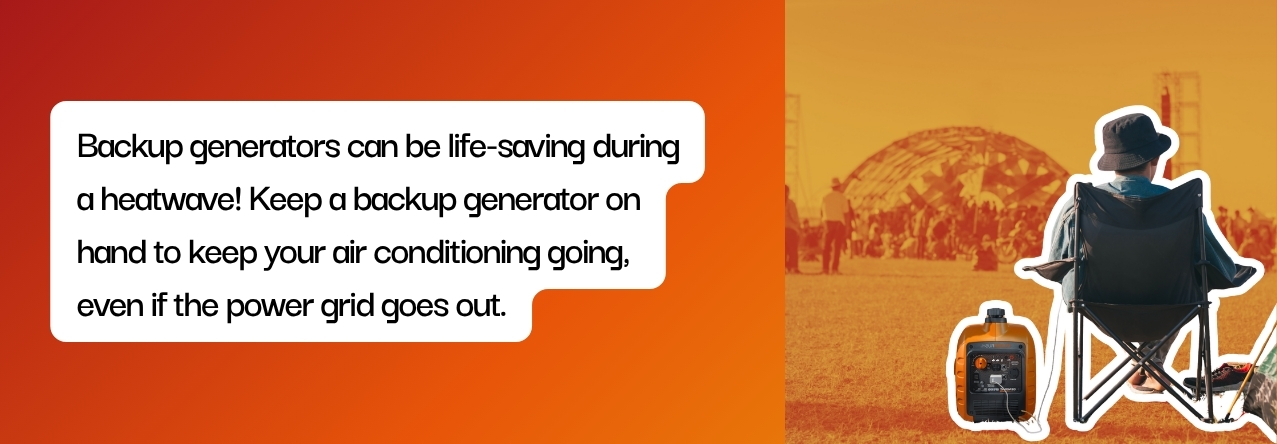
So what are our alternatives? Some leaders, like Mayor Zohran Mamdani from New York City, are pushing for expanded cooling resources and faster response times to outages to mitigate the dangers of heatwaves. We stan a safety king, but what can those of us outside of the five Boroughs do? The answer is simple: have a backup generator ready for the eventual downtime. Our Backup Generator Buying Guide goes over many use-case scenarios and specifics, but when it comes to preparing for heatwaves, generators offer another level of safety. Keeping cool air flowing in your home or business can be the difference between life and death, so don’t leave your health in the hands of utility companies looking to reduce their loads.
Stay Cool This Summer with IWAE
Staying cool during a heatwave can feel impossible. Your AC may not kick off all day, which can quickly lead to malfunction and overuse. Do what you can to reduce energy while keeping your home safe. Set your thermostat a little higher to account for the extreme heat and strained power grid. Use secondary cooling tools like rotating fans and cooling towels to bring down your body temperature. Whatever you do, make sure you’re prepared for the heat when it comes. The whole home experts at IWAE can help you find the perfect cooling solution for your situation. Just give us a call, and we’ll get you on the path to cool, cool freedom.