
Key Points
- Older HVAC systems can’t keep up with modern safety and emissions standards, leading to worse environmental impacts and poor energy efficiency.
- HVAC hardware is often the largest energy vampire within a home, meaning a higher efficiency heating and cooling system will lower your utility bills.
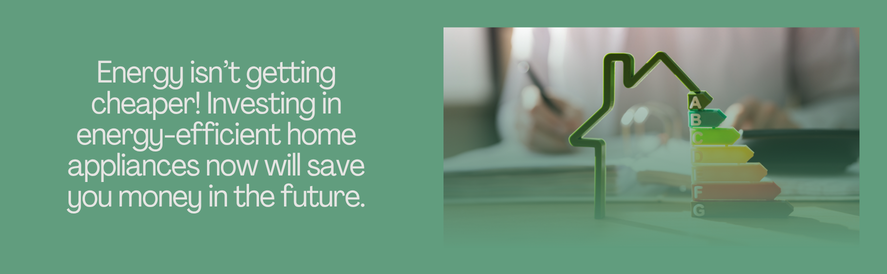
- Since energy prices are not likely to decrease for the foreseeable future, reducing your energy use is the best way to shrink energy expenses.
- Keeping up with annual maintenance and keeping your home insulation in good condition are necessary for HVAC systems to run at peak efficiency.
It’s time to face a harsh truth: life in the modern day is expensive. Rent and housing costs continue to increase with each passing year, and wages aren’t keeping pace with this inflation. The days of a single breadwinner for a family of four are over, and it’s easy to see why. In 1980, the federal minimum wage was $3.10/hour. Since then, the required minimum wage has risen by 134% to $7.25. In the same time frame, inflation rates have risen by 320%. Until this gets resolved, we have to learn how to stretch the dollar further.
So what are our options? Some turn into dual-income households. Others add a side hustle to take the financial edge off. Downsizing can be difficult for families with children, but budgeting and meal plans can help stretch funds without making anyone feel like they're missing out. One thing you can do to make a big difference is invest in long-term savings. Energy-efficient HVAC may have a higher upfront cost, but the savings you’ll enjoy over time are nothing short of staggering.
What’s Happening to Energy Prices?
The simple answer here is that the demand for energy has risen. Basic economics teaches us that when demand increases for a resource, and the supply isn’t enough to handle it, prices increase. Additionally, most regions set their own prices for energy. This means the areas with higher usage often see a disproportionate increase in their electric bills. In fact, last year, at least 10 states saw electricity price increases upwards of 10%. That's 20% of the nation! Pennsylvania had the biggest spike with a nearly 19% increase in cost in the previous year. One recent change in the energy landscape that highlights the lack of effective regulation and the inability of production to keep up with demand is the rapid influx of AI data centers.
Data Centers in Your Area = Higher Energy Prices
We’ve all heard about the data center boom, but did you know these electricity hogs are causing your utility bills to spike? The EESI (Environmental and Energy Study Institute) says that the power demand of data centers contributes to energy bill increases. One in four families has trouble affording their utility bills, with lower-income areas and households disproportionately affected by the jump in costs. Don't rest on the hope that a data center won't be built near your home. If not a data center, something else could unexpectedly raise your cost of living. The best way to protect yourself against fluctuating energy costs is to become less energy-dependent. That might mean fortifying your home with energy-efficient equipment.
How to Combat Rising Energy Prices
Heating and cooling are both very energy-intensive tasks. Most people are aware that our homes are full of energy vampires like televisions, computers, and other electronics, but the reality is that HVAC hardware is often the most energy-intensive hardware in your home. Making these processes cheaper translates to larger savings over time, so while you can turn off the lights and unplug the coffee maker between uses, you won’t save as much energy as you’d save with more efficient air conditioning and heating.
Keep in mind that some states have stricter requirements, like Oregon’s mandate for heat pumps to handle first-stage heating for all new installations. When you buy a new HVAC system, there are federally regulated efficiency rating minimums that must be met as well. Most regions in the U.S. demand an AFUE rating of 80% or higher on furnaces and a SEER rating of 14.3 or higher on the heat pump or AC condenser to be approved for new installations.
Wondering what factors influence energy-efficiency ratings and what they mean in practice? Let’s get into it.
Keep Up with Annual Maintenance
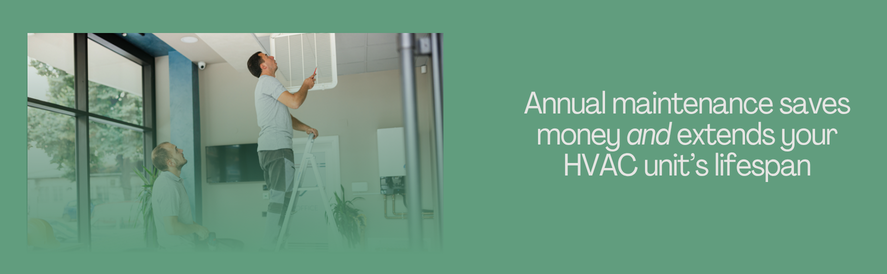
The efficiency of any HVAC hardware is entirely dependent on how well the system as a whole is kept up. Annual HVAC maintenance is crucial for sustained performance, regardless of the type of system you use. Damaged ductwork tanks the efficiency of any system. Clogs from dust and debris buildup in any part of the system lead to additional damage that will require costly maintenance or full unit replacements. No matter what system you have and when it was purchased, yearly maintenance and cleaning should never be neglected.
Do your part to keep your HVAC system in good working condition by taking time to:
- Inspect and clean the ductwork & vents
- Inspect and clean the indoor and outdoor hardware
- Replace or clean the air filter
Upgrade Home Insulation
Most of us only think about the efficiency of the system we purchase, but top-tier performance requires a reliable environment that won’t let heat enter or escape. Improper sealing ruins the efficiency of your system, leading to uncomfortable temperatures and unnecessary increases in utility costs. Proper home sealing stabilizes your indoor climate and maximizes your system’s efficiency. Using insulation with the right R-Value plays a large role in that process.
Efficiency Ratings & What They Mean for You
Efficiency ratings are designed to give you a numeric value that explains how effectively an HVAC system uses its fuel source to regulate the temperature. In general, a higher rating indicates better efficiency. We provide a full efficiency ratings breakdown that explains why these ratings are important, but we’ll give a quick explanation here as well:
- AFUE: the Annual Fuel Utilization Efficiency tells you the percentage of fuel that your furnace transforms into heating output
- EER: the Energy Efficiency Ratio explains the relationship between energy use and the amount of cool air your condenser produces
- HSPF: the Heating Seasonal Performance Factor is used to quantify a comparison of the warm air supply to power consumption
- SEER: the Seasonal Energy Efficiency Ratio references the EER rating to show the level of efficiency during periods of high demand
For additional information on efficiency ratings and other important industry terminology, check out our glossary.
Upgrade Your HVAC System
Now that you know what the ratings mean, it’s easy to understand why it’s worth the investment to upgrade to a high-efficiency HVAC system. Even keeping up with annual maintenance and getting the right type of insulation in your home won’t make an antiquated system perform better than its design and age allow. Some people bolster inadequate heating and cooling performance with other hardware like space heaters or portable ACs, but these additions often lead to a net increase in your utility bills. Upgrading to a high-efficiency HVAC system is always the best way to stabilize your indoor ambiance and minimize energy costs in one swoop.
Our Favorite Energy-Efficient HVAC Systems
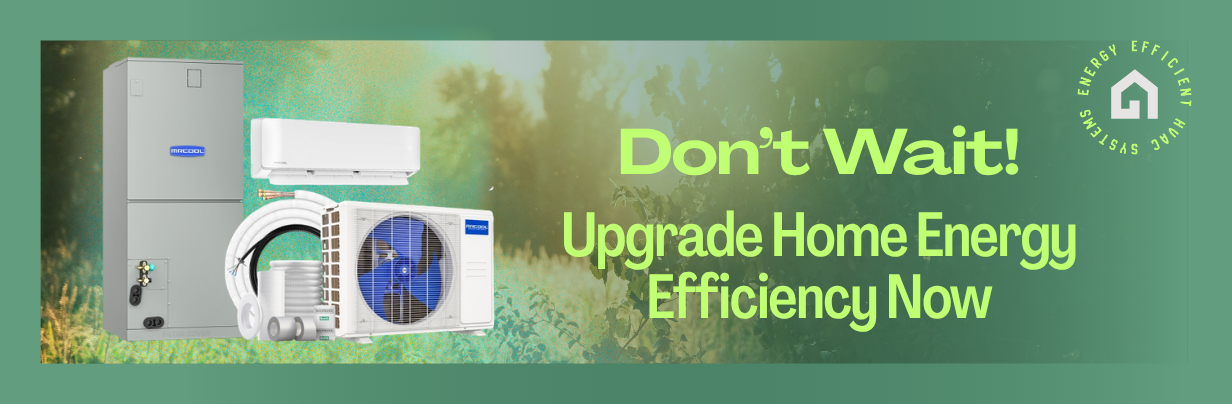
Your use case may be unique, but that doesn’t mean our suggestions won’t hit the mark. Robust inverter systems like the VersaPro line from MrCool are a great solution for homes that have the ductwork necessary for central system installations. For a space that doesn’t support ducts, or to add supplemental heating and cooling to a single room or addition, ductless options like MrCool’s EasyPro split systems have do-it-yourself installation and high efficiency ratings.
Check out some of the all-time favorites that impress our team and customers alike:
Upgrade to an Energy-Efficient HVAC System With IWAE
Sweltering summers and frigid winters shouldn’t cause your home’s HVAC system to miss a beat. Older systems with lower efficiency standards lead to regular increases in energy bills and other costly maintenance expenses, leaving your finances in rougher shape than they already are. We get that it’s tough to find the means to save up for an energy-efficient HVAC system when you’re living paycheck to paycheck. That’s why IWAE partners with Bread Pay to offer financing options that take the bite out of the initial cost of a system upgrade.
But the flexible purchasing options don’t stop there! Get the best bang for your buck by shopping our Outlet selection of HVAC units. Scratch & dent systems in the outlet are fully functional and brand new, most getting marked down due to things like cosmetic damage that do not impact performance. Not only does this discounted hardware have a lower upfront cost, but IWAE has a Rent-to-Own program that breaks down the cost into smaller chunks you pay over time. We know that a lot of people out there have to pick and choose between real necessities in today’s economy. With IWAE at your side, you won’t have to factor expensive, inadequate climate control into the equation any longer.